When “LIFE” Happens and Your Glass is Half-Full

glass half full2

One frustration that I often hear from Hearing Elmo readers is that living with a disABILITY or chronic illness is “manageable” if only LIFE itself were a little easier. However, the old adage is true… “Life is hard“. It just is.

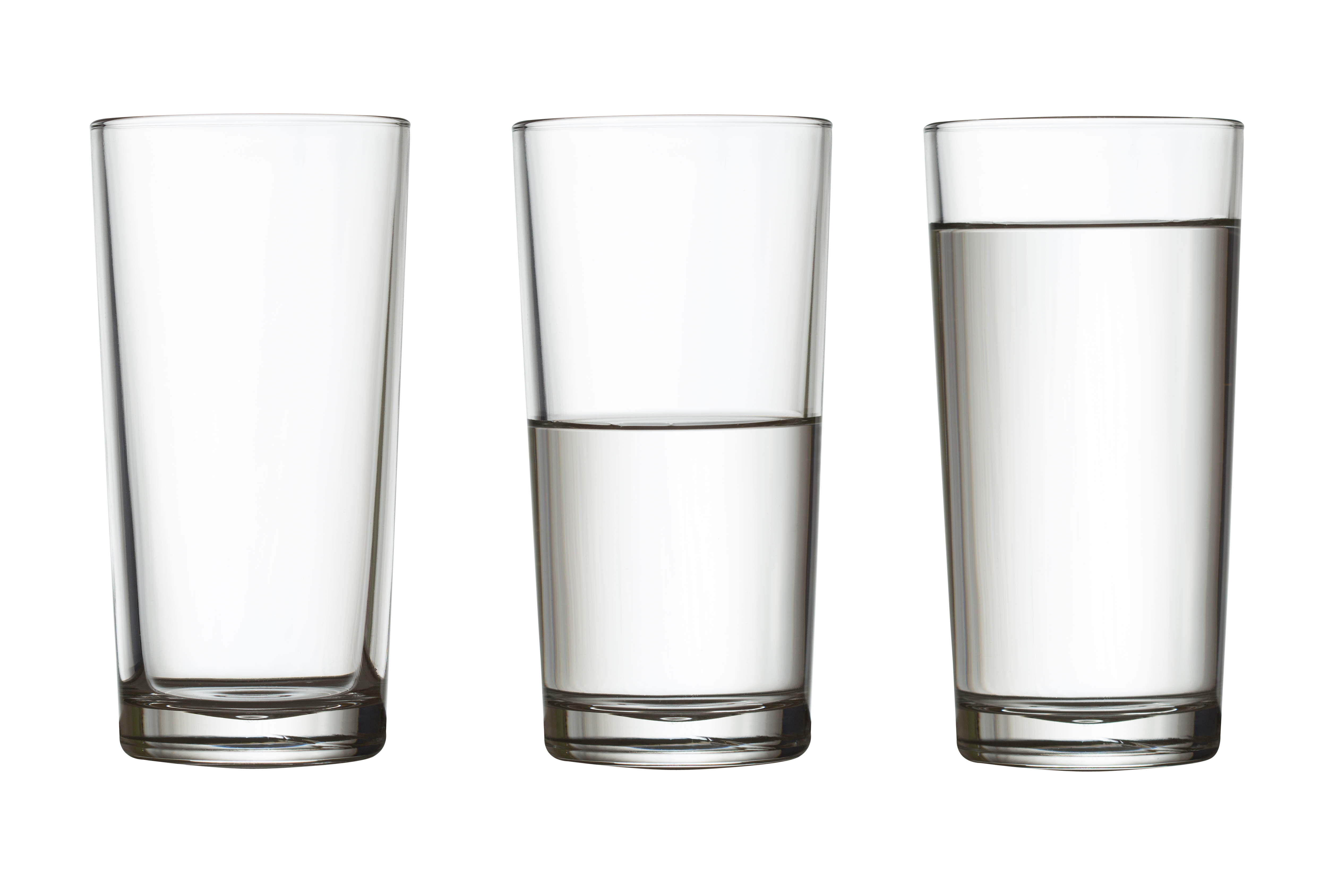
I take an unconventional interpretation of the “Glass Half Full” expression. I realize the original meaning is — Are you an optimist or a pessimist? I look at this analogy in a similar way that the “The Spoon Theory” describes energy levels, daily quotas of tasks, etc. For some of us, our glass is never completely full. I wake up first thing in the morning after a good night’s rest, and my glass is half full. Don’t get me wrong… I’m in a good mood. As a matter of fact, I’m one of those annoying “morning people“. I grin ear-to-ear, greet the dogs and take them out, fix my coffee, and eagerly open my calendar to see what the day holds.

Because I have had a hearing loss and Meniere’s disease for over 25 years now, I have learned to manage my time very carefully. I work hard to not “bite off more than I can chew“. The great thing about being an adjunct professor at a community college, I can stretch my 3-4 classes a semester out over the day and week so that I have “down time” for office hours or simply chill time in between classes. I am involved in a number of community service and social justice issues, but I work hard to make sure monthly meetings do not interfere with my “regular scheduled programming” (a.k.a. my LIFE).

Have you noticed, however, that just because you have a disABILITY or chronic illness, LIFE and its occasional sucker punches, still occur? We don’t get special treatment. Just because our glass starts out at the beginning of the day — HALF FULL — doesn’t mean that LIFE and the normal crap that happens within it, will not happen to us as well.

You are going to catch the flu.

You are going to have unexpected car expenses.

Someone is going to hurt your feelings.

You will be treated unfairly.

It is going to rain (and if you live where I do – it will rain a lot).

Your dog is going to be sneaky and eat grass and then surprise you with a present around 2 AM.

You may experience a divorce.

You may become estranged from an adult child or (once) close friend.

You will be accused of something you did not do.

You may be treated with disdain and anger as you navigate your “normal” in a world that does not view you as such.

A doctor is not going to listen to you.

A spouse or significant other is going to get frustrated with you – as if you can change your “normal”.

Your alarm is going to go off and you will want to hurl it through the window.

You will accidentally burn supper.

You are going to trip (and if you have Meniere’s – often!)

You will be misunderstood.

You will lose people you care about and will grieve.

Grief

Last week, my precious father-in-law passed away. My husband and children went to North Carolina and thankfully arrived before he was gone. I stayed home to take care of pets, cover classes for my husband, and “hold down the fort”. Can I just say I hate,  “holding down the fort”?

My family members are home now, and I am grateful I will have the opportunity to attend my father-in-law’s Celebration of Life later this summer.

I am running on EMPTY. This is final exam week and the extra stress that comes with grief and worry for my loved ones has taken a toll. You see… LIFE doesn’t pull any punches. Just because you have a disABILITY or chronic illness, you will still experience the normal things in LIFE that every person does. Losing people we care about is part of LIFE. It sucks. It hurts. It is hard. For those of us with a glass that starts “half full”, it may mean we need to take care to – TAKE CARE.

I normally go to bed between 9-10 PM. This past week I have made an effort to retire between 8-9 PM. We’ve had an excess of rainy weather which causes my balance to really be a trial for me. I am taking extra measures to make sure I change elevations carefully (stairs or bending) and am giving my service dog a serious work-out with various skilled tasks that I can do when my balance is not as wobbly. I’m trying to eat healthy, balanced meals.

Experiencing grief is a normal part of life. It cannot be avoided, and we cannot wish it away. If disABILITY or chronic illness is a new normal for you, I encourage you to prepare in advance for LIFE. We are not granted special privileges just because we have special challenges. So my advice is to do what you can to have a plan in place for when LIFE happens. The plan may include steps to take extra care of yourself. It may mean you make that phone call or send that email to someone you know you can dump on safely and wail or whine to your heart’s content. You may want to make an appointment with a counselor (so have one in advance on standby in the event you need an objective listening ear).

The Benefits

I learned something important over the last week. If I have prepared – as best I can – to absorb life’s normal sucker punches, and take steps to function in spite of a half-full glass, I can still BE THERE for those I care about.

I am not so energy-depleted that I fail to recognize the needs of others. I can support (as best I can) those who are grieving. Because I’m getting extra rest, I can think of small (seemingly) unimportant things that can make a difference in the life of my grieving husband. Like… making Cheeseburger Hamburger Helper for supper (something I cannot even eat but is his major comfort food). I can take on some extra chores around the house to give him the opportunity to have some extra time to grieve either openly or privately. I can be a listening ear (difficult but doable when you have a hearing loss). These simple things would be virtually impossible if I didn’t have a plan.

I am not so naive to believe that having a plan will mean you never have anything take you by surprise. LIFE is really good at surprises – some good and some bad. You cannot prepare and plan for every surprise. I hate to be a downer and fess up that at times I’m just DONE. For whatever reason, I allow hopelessness and despair to rule and reign in my heart and mind. For me, it helps to acknowledge that I’m at the end of myself and need help. It may mean seeking spiritual renewal. I may need to overhaul my schedule. I may need to just experience the YUCK. Sometimes all one can do is wade through and survive. The sun really DOES come out tomorrow. (… and thankfully? my weather forecast for tomorrow really does include SUN).
glass half full1

Denise Portis

© 2016 Personal Hearing Loss Journal
Mindfulness: And the Skies Opened Up

IMG_2764

I apologize for how long it has been since I have posted anything. I am one week from finishing all my coursework towards my Ph.D. and have been busy working, going to school, and finalizing my dissertation committee. To say I’m exhausted is an understatement. I try to be serious and mindful about how much rest I am getting. I was thinking last week when I turned the big 5-0, that I have now lived longer as a person with disABILITY and chronic illness than I lived without those challenges. It influences what I have chosen to study and what I am passionate about. When you are ABD (All But Dead — just kidding: all but dissertation), you tend to think about your dissertation each and every day. This means that everything I am reading and researching for the literature review of my own work is on my mind each and every day. I even dream about it! “Predictors of Posttraumatic Growth in Persons with Acquired Disability” takes up much of my brain power.

These past few days I have been “chasing a rabbit” (like my retired service dog, Chloe)  and reading published articles on mindfulness as it incorporates one of the major domains of posttraumatic growth. I suppose “mindfulness” started out as a Buddhist tradition; however, in the last 8-9 years, the field of psychology has come to recognize it as a means to treat numerous physical and psychological disorders. In my short personal history of 25+ years, I have learned that folks with acquired physical challenges–whether the result of illness, accident, or genes–also experience comorbid anxiety or mood disorders (Carson, Ringbauer, MacKenzie, Warlow, and Sharpe, 2000; Siegert & Abernathy, 2005; Weintraub, Moberg, Duda, Katz, and Stern, 2004). You do not have to convert to Buddhism to practice mindfulness. Kozlowski (2013), explains that mindfulness has been Westernized by psychology and “it is purposefully devoid of spiritual or religious connotations and focuses simply on the act of awareness. And if you want to take it to a level that we can all relate to and understand, at its core is stress reduction” (para. 5).

You’d think as someone who has worked so hard to hear again, I would rarely purposely “go deaf”. Yet, I have discovered that if I want to do some deep thinking, praying, and just spend some time being aware of all the “stuff” in my life, I have to reach up and click my cochlear implant off. I need the quiet to take the time to be mindful of what is currently stressing me (and how to de-stress), what my priorities are, and how I can make a difference TODAY in the life of someone – ANYONE. My bionic hearing is wonderful, but I cannot focus when my processor is busy – processing. So I “go deaf” – on purpose. I need to reduce distractions. For me that means being alone with my thoughts and perhaps a pad of paper nearby so I can jot things down as I think of them.

Mindfullness & Preparation

Learning to be mindful, meant that I learned to change how I view disABILITY and illness. I learned not just to experience my “new normal”, but to own it. With that acceptance came the understanding that I am able to make a difference in such a way that I would not have been able to had my “normal” not changed. I likely wouldn’t know the people I know. I would not have been drawn to studies about posttraumatic growth. I wouldn’t have chosen to invest my time in student populations of individuals with visible and invisible conditions. My life – that I embrace and love – would not be what it is today.

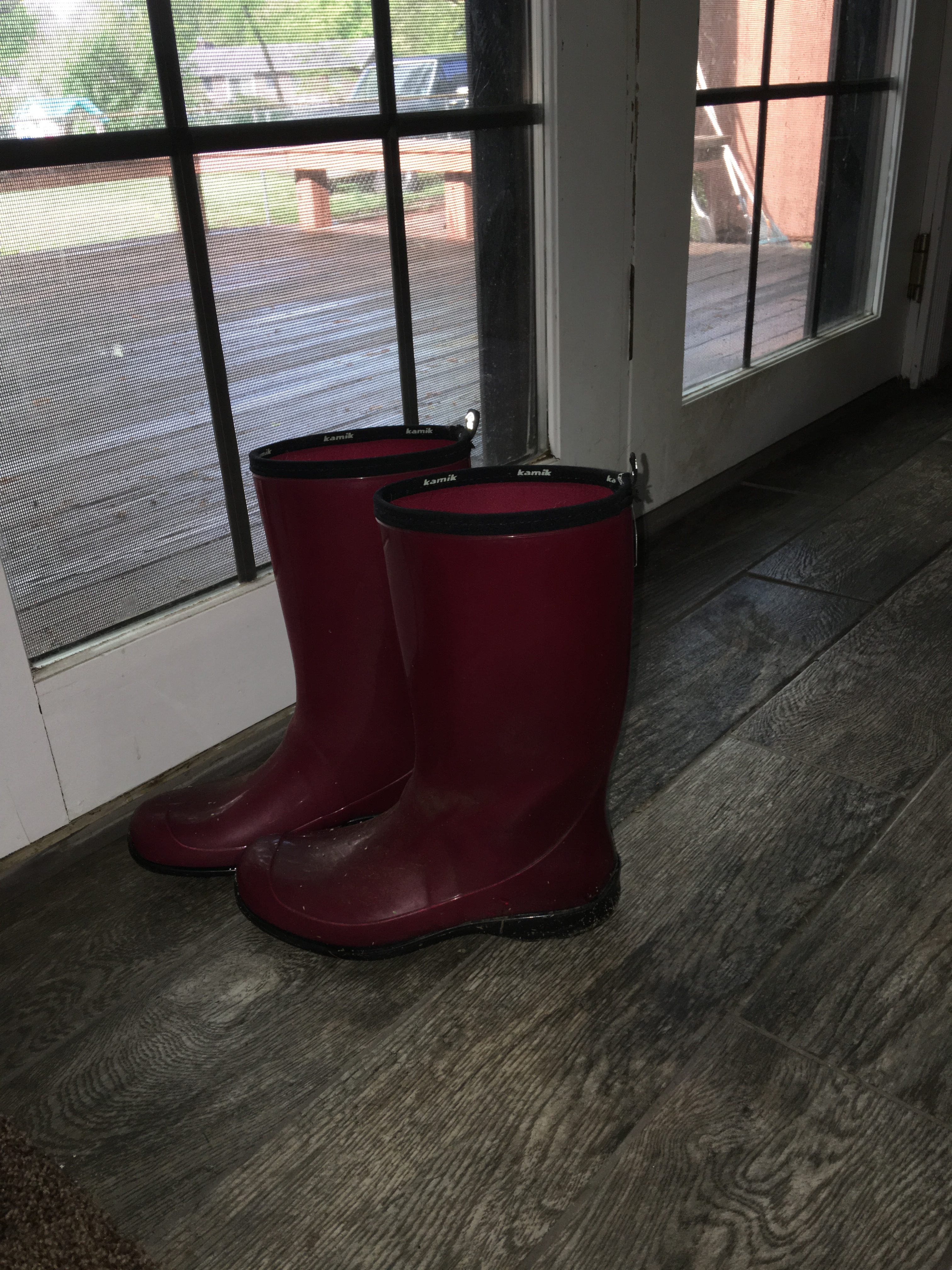
Learning to be mindful also taught me to prepare. I knew before this ten-day deluge of rain that I was going to have a much tougher time with my balance. I deliberately scheduled an additional hour of sleep each night, made sure I had my cane and service dog equipment ready to go each morning, placed my umbrella and rain boots by the back door, planned where to park to eliminate having to by-pass major puddles of standing water, deliberately stayed where I could see outside to determine when the rain had let up enough to take the service dog out or to make a quick trip to the campus testing center or copy center, and made sure that I allowed extra time to get to where I needed to go each day because I knew my mobility issues would require I traverse slowly and methodically. Even though the sun sets much later now that it is the month of May, I made sure that I had someone to drive me for evening obligations as I knew my vertigo would be worse by day’s end. Being mindful about the forecast and likely changes in my symptoms, meant that I could “hope for the best and prepare for the worst“. A nice little “perk” of Meniere’s disease is that if you learn to recognize the changes, you discover that you are a living, breathing, and walking barometer. (I’m likely more exact that local forecasters).

So… when the skies opened up, and delivered mist & sprinkles, steady, significant amounts of rain, and at times-torrential downpours, I was as ready as I could be! I suppose some folks might think that being so mindful and preparing for worsening symptoms, is the equivalent of being self-centered. I have learned the hard way, however, that if I do not take care of myself, it is impossible for me to take care of anyone else. I MUST take deliberate steps to insure I am prepared for long periods of rain, for example. If I do not, I will be nearly useless to anyone else. I’m not trying to avoid or escape the worsening symptoms I know are to come with a long bout of rainy weather. It is a type of cognitive-restructuring (from the psychologist’s point of view). As a person of faith, I work at being “mindful” of His promises. It helps me to remember He is mindful of me (Psalm 8:4, Psalm 111:5, Psalm 115:12, Romans 8:5-7, Romans 12:2, 1 Corinthians 2: 9-12, 16, Colossians 3:1, and 2 Peter 3:2).

A Long-Term Benefit of Being Mindful

In closing out this post (and greeting a day where the sun has finally breached the dark clouds), I want to share something I’ve learned simply because I really HAVE been at “this” a long time now. When you are mindful, purposefully focus your thoughts, prepare, and live deliberately, you will find that some good habits develop. On about “Day 6” of our recent monsoon-like weather, I came into my 8 AM class and… honestly? I wanted to go sit down and cry. I was tired of the vertigo, tired of the nausea, tired of the wobbling, and tired of the balance corrections. My head hurt and I was cranky. Darn — if it wasn’t only 8 in the morning! After booting up the computer, turning on the projector, and fishing out my lesson plans, I looked up to greet the class a few minutes before “launch”. I always try to ask students by name how things are going for them. I try to really get to know them and let them know I care. I noticed on changing my visual perspective an empty chair of a student who just buried her father. I caught in my peripheral, the quiet entrance of a young man making his usual unobtrusive way to his seat in the back. This young man just found out his cancer has returned for the fourth time. I saw the sleepy, single mamas and the students who took two early morning classes (including mine) before going to work for eight hours. I saw and waved to the student who attends classes, works four hours, and then goes to sit with her husband in a hospice center before staggering to bed each night. All the very temporary “woe is me” disappeared,

Just.

Like.

That.

Mindfulness doesn’t mean I do not have “bad days”. Being mindful, doesn’t mean I will always be in a super, good mood. However, being mindful gives me a better perspective and deeper appreciation for what really matters. I can more quickly rebound from self-pity and look for opportunities to make a difference – even in a sometimes “broken” body and weary mind. Being mindful allows me to wake up to a Milo-bear (service dog) alarm-clock with an attitude of “BRING IT ON“. For me… it makes a difference.

L. Denise Portis

© 2016 Personal Hearing Loss Journal

Carson, A. J., Ringbauer, B., MacKenzie, L., Warlow, C., Sharpe, M. (2000). Neurological disease, emotional disorder, and disability: They are related: A study of 300 consecutive new referrals to a neurology outpatient department. J. Neural Neurosurg Psychiatry, 68:201-206.

Kozlowski, E. (2013). Can Christians Practice Mindfulness? Huffpost Healthy Living. Retrieved May 6, 2016, from http://www.huffingtonpost.com/eden-kozlowski/mindfulness-and-religion_b_3224505.html

Siegert, R. J., Abernethy, D. A. (2005). Depression in multiple sclerosis: A review. J. Neural Neurosurg Psychiatry 76:469-475.

Weintraub, D., Moberg, P., Duda, J., Katz, I., & Stern, M. (2004). Effect of psychiatric and other nonmotor symptoms on disability in Parkinson’s disease. Journal Of The American Geriatrics Society52(5), 784-788 5p. doi:10.1111/j.1532-5415.2004.52219.x


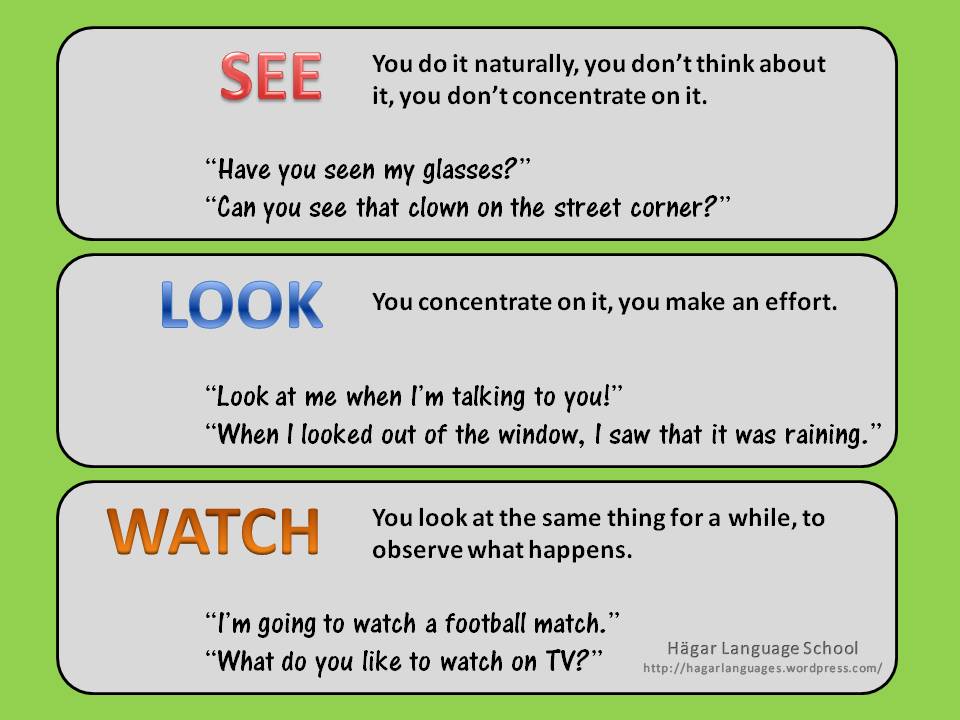
See — Look — Watch

here's looking at you

Last week I was in a different building with Milo, my new service dog. Early on, he was not a big fan of elevators. When you are a service dog trained to help mitigate mobility and balance issues, this is a serious thing. His trainer worked very hard with him to get him over his fear of “the moving box”. He now enters elevators with a tail wag and is confident and alert. Unless…

… he enters a new elevator. I forget to take things a little slower when we get into a brand new elevator. To Milo, “different” is not good, and should be approached with extreme caution. I suppose that is why when I entered the library elevator on campus, and Milo immediately dropped to the floor trembling, I was taken by surprise. I spoke to him with confidence and calm tones, and he was eventually standing by the time we reached the correct floor. Some students on the elevator with me said, “You are doing such a good job training him! I could never do that though… train a dog only to have to give it up after training”.

The elevator door was opening and everyone was filing out. I didn’t take the time to set the students straight because it wasn’t really important. However, as I walked around trying to find the study room my students were meeting in, I was thinking, “Didn’t they see my cane? Can my bling be any more noticeable? There isn’t any way I can make my invisible conditions any more visible. AAARGH!”

… and yeah. I think in pirate-speak at times.

I have to remind myself that we are all guilty of only SEEING sometimes. We forget to LOOK instead. Worse, we often do not take the time to WATCH.

See — Look — Watch

see-look-watch

So often we go throughout our day only SEEING. I’m guilty of this. I believe SEEING people is the equivalent of saying, “How are you today?” with the expectation of hearing the response, “I’m fine, how are you?” SEEING is going through the motions with our eyes. SEEING is inactive. We SEE, but we are not doing so with deliberation. We are not concentrating. The students in the elevator were seeing me, but they were not looking. Well… that isn’t altogether fair as they were likely LOOKING at Milo, but only seeing me.

LOOKING means you deliberately concentrate… you notice. LOOKING is active. I suppose it is a little bit like being in “search mode”. When we are LOOKING, we ignore distractions, and recognize more than the superficial “window dressing”. My friends Deb and Ruth are photographers. I’m trying to learn to LOOK when taking pictures and not just seeing something pretty.

I love teaching. However, everything I really love about teaching has little to do with the subject I teach. I love teaching because I really feel like I’m making a difference. Somewhere along the line I learned to LOOK at my students instead of SEEING my students. Perhaps I had good role models. Perhaps it is because I have felt invisible myself. Do you know in my head I say, “Here’s LOOKING at you, kid”… with my best Bogart impression? I don’t just SEE you. I’m LOOKING at you.

I remember reading Blume’s book, “Are You There God? It’s Me, Margaret” as a kid. I can’t tell you the number of times I have asked God this same thing… only I insert Denise. There have been times I have been angry and added some things like, “Do You even CARE? Do you really see me?” I don’t always deal with my “new normal” in a positive way. I struggle with depression. I get angry–even at God. I need constant reminders that He looks at me. He is watching me; that He does care.

My husband hasn’t been looking at me lately. I don’t mean this as a slam, and I’m not telling you something that I haven’t shared with him. He signed me up to go to a banquet/game night/workshop for Valentine’s day at our church. Many couples and singles will be there. I don’t go to things like this… at least not with people who do not understand disabilities. Three weeks ago I told him I wasn’t going… that he shouldn’t have signed me up. He asked me (nicely) to go… “I rarely ask you step outside your comfort zone“. We argued. I pleaded. Two weeks ago we repeated the conversation. One week ago we practiced redundancy. Yesterday, I said I would go, but I told him, “You aren’t looking at me. You see me, but you aren’t looking at me. If you were, you’d know that I’m suffering from panic attacks. If you were, you’d recognize the sleep walking I’ve been doing as anxiety“. Sometimes we see right through the people we love the most. We aren’t looking at them. (Because I recognize that being a chicken can isolate me from others, I’m trying to find my courage…)

Please know that I understand we cannot have our LOOKING eyes on all the time. That level of concentration is impossible to do during every waking hour. However, I do believe that we can do more LOOKING than SEEING.

Yes. It takes a little more time and perhaps more effort.

No. We don’t burn calories for our trouble (darn it!)

Do you ever WATCH others? It goes beyond looking and does take the sacrifice of time. In a world of “time is money”, few people perceive that they can afford to take the time to WATCH. I believe we cannot afford not to take the time to do some WATCHING. Our very soul depends on it.

WATCHING changes you. WATCHING often changes the world. It is only that level of concentration and taking precious, valuable moments to study what your eyes see, that any connection is made to your heart–where all change is born.

See — Look — Watch

Be deliberate in how you exercise your eye muscles.

Denise Portis

© 2016 Personal Hearing Loss Journal
Making the Difference – in ONE

calf feeding

I grew up on a working farm. I’ve learned to add that “working” part, for after I moved to the “big city” I discovered that many people have what is called a “hobby farm”. I loved growing up on a farm, but can’t say I’ve ever considered it a HOBBY.

Growing up, I had a lot of responsibilities that included various kinds of farm work. Probably one of my least favorite chores was baling alfalfa; in part, because I was highly allergic! Sneeze at the wrong time, and the bale of alfalfa was suddenly on top of you, or worse… several piled up and rolling off the flatbed truck. I can’t tell you how many times my aggravated Daddy had to stop the truck, wait for my siblings and I to reload some scattered bales… all because I sneezed at the wrong time.

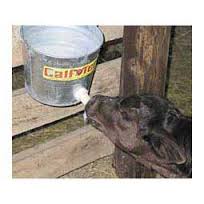
One of my favorite responsibilities was feeding the baby calves. We always had some wee calves that required bucket feeding. The picture shown is not my own calf, but it was the same kind of bucket. Now-a-days, buckets are plastic or are big “bottle-shaped thingie-majiggers”. We had these old-fashioned (but serviceable) metal buckets. In the beginning, I hated the chore. If the school bus comes at 7:40, that means all chores had to be done early. I’m talkin’ cock-a-doodle-doo early. I wasn’t a 5 o’clock in the morning kind of kid, and I’m still not that kind of adult.

We used powdered formula for the calves. Some were orphans, some were adopted from feed lots, and some were separated on purpose from mama if the calf was unlucky enough to be born to one of our milkers. The powdered formula smelled horrible. Ugh. We mixed it with hot, HOT water. In this way, by the time we carried the buckets to the barn, it was still warm for the calves. The calves drooled all over the place. Occasionally, they would head-butt the bucket (like they would their mama) and if you weren’t prepared (or had fallen asleep against the fence post), formula went everywhere and you started all over.

I’m not fastidious. I can stand dirt under my fingernails and getting my hands messy. However, returning to the house every morning covered in calf drool and formula, had me grumbling and complaining big time. My dad would let me whine and complain. He is a very quiet guy. When he did open his mouth to talk, we all practically stood in awe to see what he was going to say. It was always rather profound. One morning after listening to me bellyache, he said, “Denise, have you ever thought about how important you are to that calf?”

Well… Dad didn’t expect an answer. He had already walked off. I stood there digesting that though and I must have thought about it the rest of the day. I think I must have thought about it all the way up ’til I went to bed that night. The next morning, I awoke with a new attitude about those calves.

They needed me. They were pretty low on the “totem pole” as far as value on the farm. However, if I didn’t feed them, they were goners. For all intensive purposes, I was their mama. That morning I noticed as I walked out to the barn that the calves were all standing by the fence waiting… for ME. Likely, they always had! However, I was so busy grumblin’ I never noticed. As I set the buckets on the fence to give them one more good stir before turning them around for the hungry bovines, I noticed the calves were mooing softly and actually wagging their tails. They were expectant. They knew they needed me and that I could provide what they needed. I remember throwing my legs up and over the top rail so that I could sit and put my weight on the bucket guards to keep them from being butted to the ground. Now that my attitude was different I was seeing these calves in a whole new light. So… I started singing.

That’s right. I sang to the calves. Over the following eight or nine years, calves heard me bellowing out every 80’s tune I could think of and even some 70’s tunes as well. I sang, and I sang, and I sang. My entire outlook and attitude towards these calves had completely changed because I discovered they needed ME. At this point, you are probably wondering, nice story… but what exactly are you trying to say?

PIVOTAL MOMENTS

I truly believe that it was at that point I realized, even someone like me can make a difference. I was just a young farm girl. I had few aspirations. Yet, even *I* could make a difference – perhaps in the life of something rather lowly (and drooly), but I could still make a difference.

Do you know I believe some of my panic at 25-years-old, with the realization my issues were progressive, was that I was afraid I would no longer be able to make a difference? I’ve been forced to adapt to increasingly progressive “differently-abledness”. However, those early lessons made an impact. A “nobody”, farm girl could make a difference to a calf. Surely, a differently-abled woman could still find a way to make a difference!

Don’t get me wrong… I’m no super hero. As a matter of fact, I cringe a little when someone at work stops me and tells me “You inspire me!” I’m thinkin’, “Girl? I’m no inspiration. I’m ordinary. I’m just me. I didn’t sign up to only hear bionically, and learn to walk a semi-straight line with a vestibular disorder!” Everything about my life is rather ordinary. Sure, I have challenges, but the fact of the matter is, WE ALL DO.

I wake up each morning thinking, “I want to make a difference for ONE, today” (well… and I’m also singing 80’s tunes – some habits die hard). Perhaps this is what “trips up” folks who live with disability or chronic illness. They may have convinced themselves they have to do something rather profound to make a difference. You don’t. You can make a difference with something as ordinary as smiling. Kraut & Johnston (1979) wrote a fascinating article on research they did on unspoken messages and their impact. Smiling is actually an emotion-filled message that you send – perhaps to someone who needs that message.

Guinness (2003) wrote a book, “The Call”. I believe we each have strong, in-born desire to have a purpose. Sometimes, we mistakenly believe we are too broken, too busy, too much of a “farm girl” to have a purpose; to make a difference.

Wrong.

For some reason, folks think they have to impact the world to make a difference. Making a difference, MAKES A DIFFERENCE, even in the life of ONE. Aknin et al., (2013) recently completed some fascinating research pointing to how much good it does an individual to make a difference in the life of one person or in one way. There are physical, psychological, and emotional benefits to making a difference… also called prosocial spending (Aknin et al., 2013). You may feel you have limitations, but having the opportunity and capability of making a difference is not one of them.

This has completely changed my outlook on my own life. I can make a difference.

… and so can you.

I love the lyrics to this song (hey! I warned you earlier I’m an 80’s tunes kind of person). The Oak Ridge Boys got this one right:

Did I Make a Difference?

I’m caught up in the push and shove
The daily grind, burning time, spinning wheels
I wonder what I’m doing here
Day to day, year to year, standing still

Somewhere there’s a teacher with a heart that never quits
Staying after school to help some inner city kids
A mother who’s a volunteer, a soldier in the fight
I can’t help but ask myself when I lay down at night

Did I make a difference in somebody’s life?
What hurts did I heal? What wrongs did I right?
Did I raise my voice in defense of the truth?
Did I lend my hand to the destitute?
When my race is run, when my song is sung
Will I have to wonder, did I make a difference?
Did I make a difference?

I’ve been working hard to make a living
And forgetting what true living is
Taking more than giving, something’s missing
Lord, how long can I go on like this?
There’s a lonely old man down the street
And I should be ashamed
I’ve never been to see him, I don’t even know his name
There’s kids without their supper in my own neighborhood
Will I look back someday and say that I did all I could?

Did I make a difference in somebody’s life?
What hurts did I heal? What wrongs did I right?
Did I raise my voice in defense of the truth?
Did I lend my hand to the destitute?
When my race is run, when my song is sung
Will I have to wonder, did I make a difference?
Did I make a difference?

When my race is run, when my song is sung
Will I have to wonder, did I make a difference?
Did I make a difference?
When my race is run, when my song is sung
Will I have to wonder, did I make a difference?
Did I make a difference? Did I make a difference?

———–

Denise Portis

© 2015 Personal Hearing Loss Journal
Aknin, L. B., Dunn, E. W., Whillans, A. V., Grant, A. M., & Norton, M. I. (2013). Making a difference matters: Impact unlocks the emotional benefits of prosocial spending. Journal of Economic Behavior & Organization 88, (1), 90-95.

Kraut, R. E., & Johnston, R. E. (1979). Social and emotional messages of smiling: An ethological approach. Journal Of Personality And Social Psychology37(9), 1539-1553. doi:10.1037/0022-3514.37.9.1539

Where the People Aren’t

"I Wanna Be Where the People Aren't"
“I Wanna Be Where the People Aren’t”

I recently saw the above picture on FaceBook, and since I love “The Little Mermaid”, (and because I know cats can be SO “offended”), I found this VERY funny.

As an Introvert, I often want to be where the people AREN’T. I, and most Introverts, love people. However, folks misunderstand what an introvert, and extrovert are.

Heck.

There is even a newly labeled “blend” for those who exhibit both introvert and extrovert tendencies (lest others think we have multiple personalities, or Dissociative Disorder). Evidently an Ambivert, is one who has both characteristics, often in dependence on their role in that specific environment.

The difference between an Introvert and Extrovert, however, is simply how a person prefers to RECHARGE. It has nothing to do with whether or not they like people. Extroverts recharge by being around others. Introverts recharge by being alone.

All this thinking about “versions” had me contemplating how each dimension is effected by acquiring a disability. As a person who is differently-abled, my mind just “goes there” automatically when I think about personality characteristics. Who copes “better” with acquired disability? An Introvert or Extrovert (or Ambivert)?

“Version” affect

Interestingly, research shows that people who are extroverted are more likely to acquire a disability that limits mobility or results in chronic pain (Malec, 1985). Evidently extroversion can be equated with higher risk behavior and decisions that may result in injuries associated with motor loss/coordination or chronic pain. Introverts, too, are diagnosed with acquired disability, but often with diagnoses that are “non-traumatic” (Malec, 1985). This doesn’t mean Introverts are not involved in motor-vehicle accidents, or risky behavior that results in injury. The research simply shows that extroverts are more likely to choose activities that could result in these types of disability. Frustrated in my search for information regarding “version” types and acquired disabilities more like my own — those that are the result of genetics and/or “unspecified contributors” for deafness and Meniere’s disease, I continued searching the research databases.

I came across an interesting study by Noonan et al., (2004), called, “A Qualitative Study of the Career Development of Highly Achieving Women with Physical and Sensory Disabilities”.

BINGO.

I figured I hit the jackpot with this search and find! What I discovered, however, has nothing to do with a connection between “version” types and successful coping with acquired disability. According to Noonan et al., (2004), successful coping includes  “developmental opportunities (education, peer influences), family influences (background and current), disability impact (ableism, stress and coping, health issues), social support (disabled and nondisabled communities, role models and mentors), career attitudes and behaviors (work attitudes, success strategies, leadership/pioneering), and sociopolitical context (social movements, advocacy)” (p. 68). The difference between those who successfully cope and are extroverted and those who successfully cope and are introverted, centers around social support. An extrovert is more likely to identify and ask for help from any peers or individuals within their environment and in so doing actively engage in demonstrative advocacy. Introverts are more choosy about who they enlist support from, but are often “background” advocates. This is supported by research from Ellis (2003) in findings that include the difference in how extroverts and introverts enlist support, openly or privately – respectively.

“Version” Types and Assistive Technology

Having lived with special challenges for more than 31 years, I have had the (privileged) opportunity to meet hundreds of individuals who are differently-abled. Networking through organizations such as Fidos For Freedom, Inc., Assistance Dogs International (ADI), the Hearing Loss Association of America (HLAA), the American Association of People with Disabilities (AAPD), and numerous other organizations, I have met both extroverts and introverts who cope well — and some not so well — with acquired disability.

Some discouraging research does suggest that extroverts are more likely to use assistive technology and devices (Johnson, 1999).

This sucks.

I struggled for so many years with invisible disabilities and challenges, that my “epiphany” moment of changing that… making the invisible very visible, still gives me psychological goosebumps. My introverted life changed when I determined that I would embrace technology and assistive devices. I use bright canes, an assistance dog, bling up my cochlear implant and have informative brochures with me wherever I go. You’ll notice I didn’t say my introverted self became extroverted. I’m aware of and fully accept who I am – an introvert. Yet, using assistive technology and devices (and canine) has dramatically improved mitigating my own disabilities. Extroverts are more likely to seek “tools” early on in a diagnosis that incorporates an acquired disability (Wressle, Samuelsson, 2004; Kintsch & DePaula, 2015). Once introverts determine that the benefit of using assistive technology and devices improves quality of life, they, too, are able to embrace tools that improve life with the downside of making them (perhaps) more noticeable.

In closing, can I just say, “I LOVE PEOPLE”? We are different yet, are alike. We react to things differently and yet similarly. We all love dogs. 

Cuz… well, that just makes sense.

Denise Portis

© 2015 Personal Hearing Loss Journal
Ellis, A. E. (2003). Personality Type and Participation in Networked Learning Environments. Educational Media International40(1/2), 101.

Johnson, D. (1999). Why is assistive technology underused? Library Hi Tech News, (163), 15-17. Retrieved from http://search.proquest.com/docview/201534320?accountid=14872

Kintsch, A., & DePaula, R. (2015). A framework for the adoption of assistive technology. Retrieved on November 24, 2015, from http://citeseerx.ist.psu.edu/viewdoc/download?doi=10.1.1.124.3726&rep=rep1&type=pdf

Malec, J. (1985). Personality factors associated with severe traumatic disability. Rehabilitation Psychology30(3), 165-172. doi:10.1037/h0091027

Noonan, B. M., Gallor, S. M., Hensler-McGinnis, N. F., Fassinger, R. E., Wang, S., & Goodman, J. (2004). Challenge and Success: A Qualitative Study of the Career Development of Highly Achieving Women With Physical and Sensory Disabilities. Journal Of Counseling Psychology51(1), 68-80. doi:10.1037/0022-0167.51.1.68

Wressle, E., & Samuelsson, K. (2004). User satisfaction with mobility assistive devices. Scandinavian Journal Of Occupational Therapy11(3), 143-150 8p.

Does Not Play Well With Others

play

I hesitate to even post about this topic because I’m sure to get a little backlash about this viewpoint. Because of that, you will see interspersed throughout this written confession, links of scholarly evidence and citations to peer-reviewed articles that will lend a little more credence to what I’m about to say. I don’t want it to be just an opinionated article, after all!

Confession: I Don’t Play Well With Others

Now if my mother is reading this, she is likely “nodding her head in agreement” but that is because her clearest memory of me is the bossy older sister, not at all afraid to confront people (they call me Vina Jewell Jr. in my family), and stubbornly opinionated. However, when you grow up in a small farming community and go away to college, there isn’t much chance your mother will be able to get to know the adult you’ve become.

Don’t get me wrong. Mom and I talk weekly. But a FaceTime call is a great deal different than seeing someone day in and day out. However, the fact that I don’t play well with others as an adult has nothing to do with the negative characteristics I hope to have left far behind me in my childhood.

As a 49-year-old woman who readily identifies as being differently-abled, “playing” often means quiet, reflective time, or interactions where I’m present but only “just”–in that I do not have to interact with those around me. For example, my husband and I will watch a movie together once in awhile. I’m a reader. I write. I research (by choice and not because I’m a doctoral student). I love sitting on the deck and staring out into the woods. I love to cuddle with my dogs.

Now some who read that last paragraph may think that I don’t like people.

Wrong.

I love people, and enjoy interacting with others. I believe anyone I work with will tell you that I am an eager team player who throws herself into volunteer work with passion and gusto. You see… I WORK well with others. Outside of class, I proudly advise three different student clubs and participate in a number of faculty/staff committees. I love this work. I love the people I work with, too. However, I’m working – not playing. I’m one of the lucky ones in that as a person who is differently-abled, education is a great career. People with skills, training, and education in other types of careers are not as lucky. Many people with disability or chronic illness find that in their chosen career they face both exclusion and discrimination (National Disability Strategy Consultation Report, 2009). I am extremely grateful to be a part of the education community, for I rarely face these issues.

So what’s the deal with my not “playing well with others”? Well you see? The things I mentioned earlier that are ways I unwind, decompress, relax, and “flourish in my happy place”, very few people are willing to do alongside me. (And that’s ok…) I have a few friends that will “hang out with me” and “play” with no expectations. We do not have to do a whole lot of talking. We just “are” – and are comfortable in silences and quiet places. The problem is that none of these friends live near me.

Hearing Loss and Background Noise

It may be different for folks with other types of challenges. As a person with hearing loss, I can tell you that one of the biggest barriers to living a happy and productive life alongside of others, is background noise. Some folks think that background noise is the same thing as white noise.

It’s not.

White noise is a steady (and unremarkable) buzz of sound. If you are as old as I am, it would be like the “snow” sound on a television channel currently off the air. When I was a kid, my older brother and I would sometimes be allowed to stay up watching TV, and we’d eventually fall asleep. When I awoke, the television screen would have “snow” with a buzzy kind of static-like noise. Background noise, on the other hand, is any extraneous sound that is heard while trying to monitor a specific sound. For folks with hearing loss, that specific sound is SPEECH while trying to screen out other sounds (and perhaps voices) from the environment. If I could burn calories for every minute I communicate with others in the normal world, I would not be 25 pounds overweight.

Background noise is the enemy of people with hearing loss. This noise even diminishes our ability to concentrate and form both short-term and long-term memories (Rugg & Andrews, 2009). Kenneth Henry (Neubert, 2012), postdoctoral researcher at Purdue, uses the analogy of numerous televisions. For folks with normal hearing, it would be like turning on a dozen television sets on different channels and asking the individual to concentrate on one show. It’s hard. It’s not at all enjoyable. It’s not something someone would ever do by choice.

Yet people with hearing loss must consciously make the choice to reach out to others, invest their time, energy, and focus just to communicate! It’s hard to communicate in a world full of background noise. It’s worth it. It keeps us from being isolated. It keeps us connected to others. It may keep us productive and working. There is a price to pay, however. The price tag is limited options for “play time”. In order to completely eliminate the WORK in listening, one needs a quiet environment. Friends tend to text one another with suggestions such as:

“Hey! Want to meet at Ruby Tuesdays after church today and eat together?”

“Let’s go shopping!”

“There’s a meet-up at the local Starbucks for mom’s frustrated with their adult children. You should come!”

“A dozen or so of us are going to go walking at the park with our dogs. You should come along!”

“We are all going to go get a pedicure! We are meeting at 2 PM”. 

This is not my kind of “play time”. Now occasionally (OK… I’m exaggerating – RARELY) I will go out and do some of these things. However, there are very few people I can ask to participate in what I really consider “fun”. Even when I go out with friends from Fidos For Freedom with individuals who have various disabilities it is hard. When you do not hear well, you can be isolated even when amongst folks who really understand disability. Folks with hearing loss “play” differently.

“Hey girl! Come over and sit on my deck and watch the squirrels in the trees with me, will ya?”

“I know this great place in the woods near my home where two streams converge. It’s a great place to sit and read a book. I’ll bring the bug spray!”

“Let’s go sit by the Chesapeake and pet our dogs while we watch the ships go by…”

Having a hearing loss as an adult – even when it is “corrected” by hearing aids and/or cochlear implant, the individual is certain to have a co-morbid  auditory processing disorder. This creates all kinds of communication issues that make it extremely difficult to enjoy communicating. According to Whitelaw (2015) “These types of communication issues may include difficulty hearing in less than optimal listening situations, reliance on visual information to augment auditory information, a reduced appreciation of listening to music, and difficulty understanding speech when the speaker is unfamiliar” (para. 1).

I have special programs on my cochlear implant that reduce background noise and allow me to zero in on the person right in front of me. I rely on these programs. (There have actually been times in extremely noisy environments, that I swear I hear better than my normal hearing counterparts). Even with this wonderful technology, I still have to concentrate. It’s not fun. It’s not “play”. It requires recovery time later. Is it worth it? 

Well if it wasn’t, I would never leave home… and I leave home a great deal and for a variety of reasons. Just because I CAN doesn’t mean it is easy. I’ve been alive long enough to know that important things are not always easy.

How to “Play” with Someone with Hearing Loss

If you know someone with hearing loss, please allow me to provide some “playing pointers”. You will note that these activities often revolve around just being in the presence of each other. They are activities that do not require dialogue every second of your chosen “together time”.

  1. Board games: It’s OK, to laugh and “chit chat” over a great board game. But… turn off the TV. Don’t have background music going. If there are more than two people playing the board game, don’t have individual conversations. Every spoken word is meant for everyone present. This keeps the person with hearing loss from having to deliberately ignore the sound of a conversation not meant for them. Please don’t think that people with hearing loss can enjoy “game night” with a big crowd. The folks in my small group at church had a “game night” (with all in the family invited) one night and my first thought was, “just shoot me now“.

2. Books, reading, and discussion: Book clubs are great! That is… if the discussion group is meeting in a quiet setting while discussing the chapters that week. Sitting in the food court of the mall and discussing what you read that week = NOT A GOOD IDEA. If you like to read, ask to spend some reading time with a person with hearing loss. You read; you don’t talk. It is difficult to express how meaningful it is to simply be in the presence of another.

3. Walks, hiking, boating, and other “outdoorsy” stuff: These activities can be great for folks with hearing loss. However, many trails and parks and lakes have become very populated. This means that the person with hearing loss may have trouble hearing you if they cannot see your face. Imagine kayaking with a person with hearing loss. If the kayaks are facing each other they will do great. This also means you won’t get anywhere because two kayaks facing each other cannot move. So enjoy the time together but don’t try to tell them all about the problems you’ve been having at work. Enjoy the hike. Enjoy the quiet of the walk. Enjoy the sound of the paddles hitting the water – and the far distant sounds of other folks out on the water.

4. Movies: I’m a “hearing again” person. This means that I can go to a movie, watch it, understand it, and give it a Siskel and Ebert “thumbs up” or “thumbs down” vote — just like everyone else. This doesn’t mean I can converse about the movie as we exit with the crowd. This doesn’t mean I can walk all the way to the parking deck and discuss everything we loved about the movie. Give me a safe place to stop moving. Allow me to concentrate on the conversation.

5. Gardening, Fishing, or ART: I love gardening, though do precious little of it I’m afraid. I had a great little “deck veggie garden” this year but wondered why I didn’t feel the thrill of it like I experienced it years ago. I concluded it was because I wasn’t pulling weeds alongside my father. I realized I wasn’t thinning plants while with my grandmother just three plants over. Be willing to spend some quality quiet time gardening with a person who doesn’t hear well but enjoys getting down in the dirt.

Fishing can be a great activity.

Art, too, can be a great opportunity to spend some time with an artsy hard-of-hearing person.

Some great resources: LISTENING IS EXHAUSTING.

SOCIALIZING WITH HEARING LOSS.

Not Hearing Loss – but “OTHER”

What if your challenges are not hearing loss. People who live with disability, chronic illness, and visible or invisible health problems may still “play” differently.

As a person with a balance disorder, I cannot go to the fair at the county fairgrounds and “play”.

I cannot walk to the park and “swing” on the swing set while discussing heart-to-heart issues.

If you want to spend time with someone who has specific challenges, ask them what they like to do and meet them where they are – within the parameters of what is “fun” for them. They may have a really hard time meeting you for some “play time” when it will be WORK for them. Ask how to accommodate them. I promise you that they really do enjoy being with you.

L. Denise Portis

© 2015 Personal Hearing Loss Journal

Road Signs

traffic calming

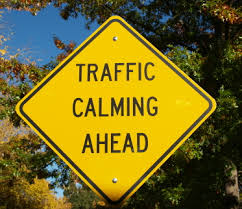
I’m directionally challenged. When I say that, I mean that I even have trouble following SIRI-instructed GPS instructions. Where I grew up it was really easy to tell North from South and East from West. The grasslands of Colorado will do that for you. However, after I moved to the city after high school I’ve had trouble with direction! I remember being so surprised at all the street names. I mean… I grew up on Road W. (I’m not kidding). I lived 1.5 miles east of my grandparent’s home. I knew this because my hometown was North, and my grandparents lived 15 REA poles adjacent to us on the “sun setting” side. I know you think I’m making this up, but I was truly disoriented when I discovered directions included street names and not landmarks. Then I discovered traffic signs that we never had in Baca County! I mean… “TRAFFIC CALMING”? We hardly had a need for stop signs, let alone traffic calming signs.

Last week on a back road–a short cut, carefully taught by my significant other–I encountered a “Traffic Calming Ahead” sign. Now granted… this sign has likely been there all along. However, I just HAVE become confident enough to notice things like traffic signs as I’ve been too busy looking for that white house with the green shutters (cuz – yeah. I still don’t use street signs so please don’t tell my husband). As I passed the sign, my first thought was, “Whaaaa????

I’m very eloquent when talking to myself. As I drove a little further there was a big speed bump in the road. Do you know I almost had to pull over to the side of the road to figure on what a speed bump had to do with “Traffic Calming Ahead”? I forced myself to go on, while my thoughts just jumbled together.

After I figured out what it meant, my next thought was, “Heck. What happens when the sign says, ‘TRAFFIC DRAMA AHEAD’ “? I guess I hope I don’t ever have to find out.

I suppose it’s nice that the city thinks so much of drivers to warn them in advance when they are going to force a change in driving attitude. Wouldn’t it be nice if we had road signs as we traversed LIFE?

Road Signs

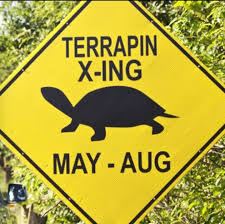
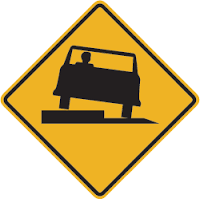
It took me awhile to figure out, “Bridge Ices Before Road”. Longer still to figure out:

turtle crossing

Someone, somewhere, has been very conscientious about what lies ahead. Why can’t we have that kind of system to navigate life? I suppose in a way we do. As a person of faith, I certainly have prayed enough asking for guidance and clear direction on decisions.

I’ve also “bent the ear” of close friends when I’m trying to make decisions or determine what to do. I don’t know about YOUR life, but in my OWN? I’m often left thinking, “What just hit me?” after I’ve already encountered the hazard. There was no warning. Don’t for a moment think that I’m not paying attention either. I’m probably hyper-aware as I’m prone to some OCD tendencies. So why do I so often hit the speed bump at full speed (or crush the turtle)?

Distractions

I have some folks in my life with some ADHD goin’ on. It kinda makes sense that they would miss signs. So how does someone who pays great attention to details, get distracted? Basically? I lose my focus. I may be driving along still thinking about:

helicopter

That I failed to pay attention to the next warning:

uneven

So when my car dropped off the uneven pavement on one side, I screamed like a girl. Thank goodness I’m a girl.

Not only do I tend to perseverate – causing me to be distracted, I also tend to “worry something to death”. How many times do we worry about things we cannot change? Take a minute and list all the things you really have no control over. I’ll check back with you in a couple of months.

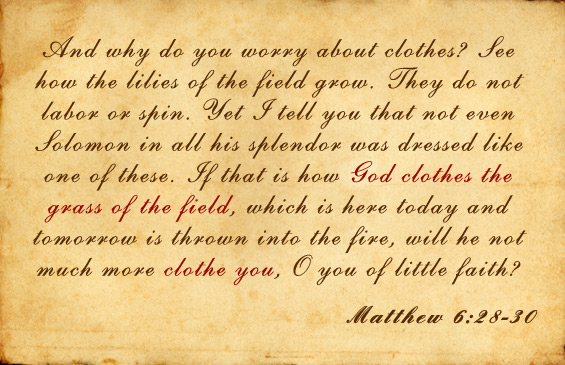
As a person of faith I try to:

faith

I have to tell ya, though, I blow it again and again. I’m a “worrier”. I’m trying to do better because I’ve come to recognize it IS a big distraction for me. I miss warning signs, I become self-centered, I miss cues about other hurting people, and I step in doggie doo-doo (just laying it out there, folks).

The “Here and Now”

I’m having to learn to live in the “here and now”. I’m not very good at this. Don’t get me wrong… I think we should make plans and be prepared. Be an ant instead of a grasshopper. But I get awfully distracted about worrying about something that hasn’t happened yet. Worse? I worry about something that has already happened and can’t be changed.

I’m working hard to take one day at a time. I’m working hard to focus on the here and now. Example:

I’m fixin’ to walk into class and will be there for 50 minutes. How are my students today? Does anyone seem worried, distracted, tired, or ASLEEP? How can I make personality dispositions FUN? I don’t get any second chances. I don’t want to miss that one student looks shell-shocked, another likely high. (Dude? What have you been smokin’?)

I don’t get that 50 minute time segment back. It can be simplified beyond this, too. I’m trying to take more naps. I need them. I don’t know if it is because I’m “almost 50”, or if it is because I am fatigued from having to speech read and pay attention? I just know that I live for naps. If I have an opportunity to have one, I don’t want to lay there for 27 minutes of my hour available worrying about what I need to do. I’m learning to focus on calm – peace – rest – sleep.

My guess is that if you are reader of this blog, you have challenges of your own. You may be differently-abled or live with chronic illness or pain. Perhaps you are struggling with emotional health. Learning to ignore the distractions will help you focus – help you cope. It isn’t a cure-all. Occasionally you will still be taken by surprise. You are going to see and benefit from far more road signs if you are really paying attention. I hope you will work on it and if you have any tips, comment below! I know I take all the advice I can get!

L. Denise Portis

© 2015 Personal Hearing Loss Journal
Pressure Cookers and “The BIG REVEAL”

pressure cooker

I can hear my grandmother’s voice saying, “Turn up the heat and see what boils out!” None of us like pressure.

None of us enjoy being stressed.

None of us “sign up for” difficult times.

Yet life is full of difficult times. It’s just the way it is. I use to get so aggravated at my mother for responding to my self-pitying tears and hiccup-sobbing announcement that “It’s not FAIR” with, “Denise… life is NOT fair“.

Life isn’t. Bad things happen to good people. Wonderful people suffer. Terrific human beings have their hearts broken.

Sucks, don’t it?

How a Pressure Cooker Works

I don’t know of very many people who own a pressure cooker. I don’t use one. I had a grandmother who used one fairly frequently, however. Why use a pressure cooker?

Pressure cookers essentially do two things.

  1. Raises the boiling point from about 212° to 250°.
  2. Raises the pressure inside the pot and forces moisture into the food.

Using the pressure cooker as a great analogy for LIFE, it helps us deal with higher temperatures, and keeps us from DRYING OUT. That’s right. When you are forced to deal with stress and pressures, you actually work out your “dealing with it” muscles and make it easier to handle the next burden. This is especially true if you are dealing with it often enough that you’ve developed good habits. New good habits include:

  1. Taking it to God and recognizing that “He’s got this”.
  2. Learning to ask for help from trusted friends.
  3. Learning to pace yourself; taking the time to rest when needed.
  4. Looking for the GOOD in a very BAD DAY.
  5. Burning your “Blame Game” after recognizing it is no one’s FAULT.
  6. Showing off your “BIG REVEAL”

That’s right. After the burner is turned down and the pressure is OFF, we lift the lid and  take our bows. The big reveal.

My former pastor from North Carolina reminded me however, that the “reveal” is often long before we lift that lid.

“The true test of character is not just seen in your actions but your reactions. We often like to excuse our inappropriate behavior by saying, “I’m sorry I was just under a lot of pressure.” But it’s the pressure that often reveals what’s on the inside and what we’re really like!” (Pastor Jake Thornhill)

While we are blowing off steam, we are also revealing to all who watch, who we really are. I have a dear friend who recently lost her young adult daughter in a car accident. As a person of faith, she knows she will see her daughter again one day. Yet, she has been very “real” in blowing off some steam. She is hurting. She misses her daughter. Her faith is strong. She’s dealing with it. However, I repeat: She is hurting. She misses her daughter. It is a poignant reminder to me that the very best people need our love, support, and prayers. Bad things DO happen to good people.

People who live with chronic illness, invisible conditions, or disabilities have good days and bad days. There will be days that you handle “your normal” in a positive, healthy way. There will also be days that you need to go back to bed and zip your lips because everything spewing out is pretty ugly. Not everyone is going to understand that. (Even some folks close to you won’t understand). Want to know some “ol’ sayings” that get on my very last nerve?

“What doesn’t kill you will make you stronger”

“Shine – don’t whine!”

“Be better, not bitter”

“When life hands you lemons, make lemonade!”

If we take these oft-used encouragements too far in our attitude towards OTHERS who are going through tough times, we miss out on one of life’s biggest blessings. One of the quickest ways to alleviate someone else’s stress and pressures are simply to let them know you are there for them. Pray for them. Hug them. Tell them, “I care about you. If you deliberately look away when life increases the temperature under someone’s pot and assume “this is good for them”, you miss the opportunity to be used in a special way.  Throwing a chirpy little positivism at them will not help them. BEING there for them is what matters.

Love someone with significant challenges? You will learn what to SAY, and what NOT to say, to support your loved one best. Please allow me to mangle one more colloquial expression?

“A watched pot never boils”. Oh yes it does. You can stand there and watch the pressure gauge go up and Up and UP on a friend or loved one’s pressure cooker, and it’s going to boil. There is no escaping the heat. I don’t know about you, but I want to be the kind of friend who is there through the cooking process and present for the big “reveal”, for when the pressure is gone and the lid is lifted. That’s what friends do. That’s what support is.

Denise Portis

©2015 Personal hearing Loss Journal


Specificity

specificity

Some posts get a lot of response both publically and privately. Back in March of this year, “When they SHOULD, but They Don’t” posted. In 2015, this post has generated the most “mail”. This tells me that the topic is important. This tells me that this problem exists. This tells me that people with chronic illness, invisible illness or disability, and health challenges struggle with:

  1. Asking for help
  2. Accepting help
  3. Realizing that assistance ≠ diminished independence

My husband and I travelled to see his parents two states away this weekend. I love having Terry all to myself in a car where he can’t get away from my enthusiastic chatter and conversation. Thankfully, the man doesn’t seem to mind that a seatbelt is all that separates him from his talkative wife.

I shared with him how much follow-up email I have received about this post. I know many people who are differently-abled personally. I also “know” many only through “Hearing Elmo”. Why is it so hard for the people in our lives to support us in a healthy, loving way without creating codependency, “IOU mentality”, and decreased self-esteem? I shared with my husband an article I recently read at the Invisible Disabilities Association, on what family members of differently-abled people should know. (You can read it HERE).

My husband, a psychologist who has worked with special populations for 25 years, reminded me of something that I really needed to hear. You see… lately we have not been communicating very well. Yeah, yeah, I know! Hearing loss is a communication disorder, but this isn’t new to us! Once in awhile, our communication breaks down. I get frustrated, he gets defensive, and the dogs choose sides. It’s ugly.

Be Specific or Be Quiet

One of the most common things people say to me about this topic is, “If the shoe were on the other foot, and THEY were differently-abled… I would be supportive and accepting!” In other words, “I’m sure I’d respond to all of this much better because I’m a super hero and they are NOT”.

Now don’t get me wrong! Maybe you WOULD respond more effectively! I believe that circumstances such as dealing with a health challenge can make us more compassionate, empathetic, and helpful to others in the same boat. I tried to point out to a reader that they “could not know how they would respond and support the other person because it isn’t their reality”. They “could not know how hard it is to love and support someone 24/7 that is differently-abled because they are not living that life”. These folks immediately fire back, “Well I LIVE WITH THIS 24/7 so I think I would know how hard it is”. Apples and oranges, my friends! They are both fruits and grow on trees, but are different in every way. Bottom line, if you are differently-abled or live with chronic illness, your perceptions and reality have changed. You cannot know what it would be like to be completely healthy and instead love/support someone who has special challenges.

I can already HEAR picture some of you freaking out about this. Before you send me hate mail though, please remember that I, too, am a person with special challenges, married to someone whose only significant challenge is to lose 20 pounds now that he’s middle-aged. (Hmmm. I may get called out for that comment should hubby read this week’s post).

I’ve already explained that my “captive audience” reminded me of something about good communication because I have slipped into some old habits and was feeling frustrated with him as a result. We need to be specific. Our loved ones are not mind readers. Here are some REAL specifics I have learned in my own communication – all of which we re-visited on this trip since communication has broken down lately.

Instead of:

You need your laundry done? Do it yourself MORON!

You know I love doing laundry. I need you to carry it down the two flights of stairs to the laundry room. Then, when you get home from work, at some point I will need you to carry it all back upstairs.

Instead of:

What? You can’t carry your own plate to the sink? Well I guess I’m making dinner FOR ONE from now on, You MORON! 

I don’t mind cleaning up after meals. My Meniere’s disease does not allow me to carry things to the sink very safely. Could you pile your stuff in the sink please?

(This specific instruction garnered the benefit of his carrying MY dishes to the sink, too!)

Instead of:

I can only walk one dog at night. You think I have excess energy? I guess poor Chloe is going to believe she is unloved and definitely UNWALKED. MORON!

Would you walk Chloe with Milo and I tonight? She needs the exercise.  You don’t need to go as far as I do, and it will mean a lot to her.

Instead of:

You’re tired of the empty cupboards and fridge? Go get your own groceries, MORON!

(Can you tell my unfiltered, “go to” cut-down is moron? Poor Terry) 

I am running on empty this week. Milo is a huge help, but I’m just “done”. Would you go get groceries with me this week? It would really help.

Instead of:

You never help me! (and just to stay consistent… MORON!)

Would you mind helping me with some housework today? My balance is particularly bad. I could dust if you would vacuum?

Specificity helps communication. Generalizations will lead to communication breakdown. It takes practice. You wouldn’t think it would, but it really does. Learn to be specific. You may even have to learn to be specific in how you want your loved ones to back off! A recent example:

Instead of:

Cripes, Terry! I can do this, you know. I’m not totally incapable!

(He was trying to help me get Milo’s leash on and Milo was super excited).

I know Milo is “blowing a gasket” here. But I have to learn to calm him down and give him the proper commands since I’m usually alone with him. He has to learn to settle on MY terms. Thanks for the help, but I’ve got this!

If you need help, be specific. If you can do something yourself, be specific. If you need a listening ear, be specific. If you need a hug, be specific.

Denise Portis

© 2015 Personal Hearing Loss Journal
P.S. I’m hoping to launch a series of blog posts over the next year. See HERE for more information. We need guest authors! 🙂

How the Church Can Welcome the Differently-Abled

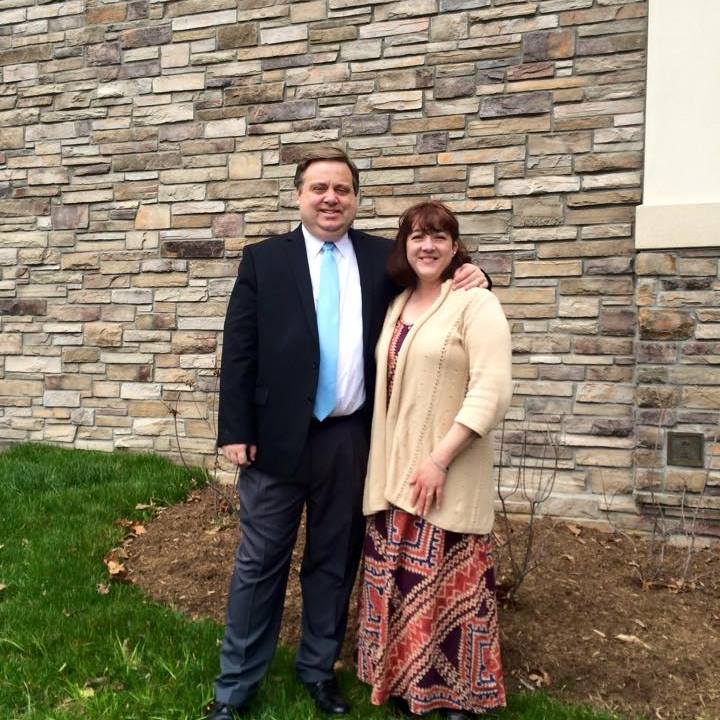
My husband, Terry and I, standing outside our church on Easter 2015.

After a great deal of thought and preparation, I decided to reach out and ask for help.

Ok. Really I’m BEGGING.

(Well that sounds sappy and depressing).

I’ll pay you MONEY. I’ll have your BABY. I’ll CLEAN your house. I’ll OWE YOU. I’ll toot YOUR HORN (but I warn you… I’m deaf). I’ll GIVE YOU PROPS. 

Hmmm. None of those are doing it for me.

I’m asking you to HELP. You CAN MAKE A DIFFERENCE.

Asking For Guest Authors

As a person of faith, and a person who is differently-abled, being able to attend my home church is important to me. My church does a lot of things right. My church could do some things better. I have learned to accept that some things are just HARD when you put everything that encapsulates ME in the place I have CHOSEN to worship.

However, I am a person with hearing loss, hearing again through the bionics of a cochlear implant. That’s pretty specific.

I am a person with Meniere’s disease, a balance disorder that the “experts” have not completely figured out yet. The triggers, symptoms, and treatments vary. How it affects me is very specific.

I have major depressive disorder. Many people do.

I have a service dog. Not everyone who is “differently-abled” has chosen to partner with one. You may have other assistive devices or options.

I know, however, that there are many, MANY people out there who struggle in their own PLACE of worship. There are people who struggle worshiping along side of the PEOPLE with whom they have chosen to worship. These people are different than “my church family people”. There are people out there who have passion for Purple. (Sorry… I got carried away with having a third point that started with P. Did I mention I also have OCD tendencies?)

I would like to ask for YOUR help. You see? I need your stories and your words. Together, the compilation of our experiences (I believe) can make a difference in our churches. I am launching an initiative that I hope will take MONTHS to complete. There is no hurry. The posts do not have to be consecutive.

You can write anonymously.

You can write unedited.

I need you. I believe those trying to improve accommodations and accessibility in places of worship need to hear your story. Would you be willing to participate?

Some ground rules:

1. Email me at denise.portis@gmail for suggestions as far as photographs, word count, etc.

– OR – Click this link: <ThIs HeRe LiNk>  (When you are a transplanted Southerner, it shows up even in your hyperlinks).

2. The story needs to be YOUR story. In other words, you live a life as a differently-abled person. Or, you LOVE a differently-abled person and because of your relationship have an important voice about this topic.

3. My assumption is the posts will trickle in over the course of months (maybe a year! I can HOPE!). I will tag them with “Churches and Disabilities”.

Do you have an invisible illness and struggle with accessibility, acceptance, and inclusion?

Are you differently-abled, and wish some minor (or major) changes could be made to make it easier for you to attend your church?

Do you have a mental illness or diagnosis that is misunderstood and has the kind of stigma that a church pretends doesn’t exist?

Do you long for support groups hosted by area churches for:

Grief Support

Addictions

disAbility Awareness

Parents of Differently-abled Children

“Single Again” Care

Why not consider writing about it?

It doesn’t matter if you have never written for a blog before. You don’t have to consider yourself a “writer”. Hearing Elmo needs YOUR STORIES. I truly believe it will make a difference.

Denise Portis

©2015 Personal Hearing Loss Journal