What I SHOULD Have Said

I’m not really a history buff like some of my siblings, but I do like to watch the occasional autobiographical movie or read books on real people. I have, however, always been an Abraham Lincoln fan. I’m so excited about the new movie coming out and hope it does not disappoint. (Lincoln – the trailer). Needless to say, I’m also a big fan of President Lincoln’s quotations. Many of them I have memorized from my childhood and throughout my life.

In preparing for this post, a quote of President Lincoln’s came to mind: “I will prepare and some day my chance will come.”

I’m a big fan of using hindsight to our advantage. One of my favorite training exercises at Fidos For Freedom, Inc., is role playing… actually putting ourselves in scenarios where we face incredulous, doubtful strangers, belligerent business owners, or even just curious but nosy bystanders. These exercises have allowed me to practice what I need to say – not IF – but WHEN I need to have the words to explain my need for Chloe. I know I may need to defend my right to mitigate my disability with an assistance dog.

Experience Can Be a Harsh Teacher

Did you ever have something happen that was totally unfair? Feelings of righteous indignation and self-preservation well up and literally choke the words right out of you? I’m one of those poor folks who rarely says what I should have said  at exactly the right moment. Instead, my feelings are hurt; or, I’m madder than a wet hen. Not… that I’ve ever seen a wet hen despite my childhood experiences of owning and caring for chickens, but I digress..

Ever replay a hurtful or confrontational conversation over and Over and OVER again in your head… thinking about what you SHOULD have said? Well I take Abraham Lincoln’s advice to heart. “I will prepare and some day my chance will come.” Now I’m the first to admit that one can perseverate on a past hurt and be much worse off than if you just let it go. I’m a planner though (at times to a fault).

If my feelings are just hurt and it is someone I don’t know well, I just let it go (though I may replay the entire horrible episode to my patient husband). If it is someone I have a relationship with, I may decide to let them know that I didn’t like how the conversation went and came away hurt and would like to discuss it some more. However, most of the things that hurt my feelings or ruffle my – erm – feathers, are comments from total strangers or mere acquaintances.

How many of you have heard these comments? :

But you don’t LOOK sick.

You were just fine yesterday. What’s wrong today?

You are feeling poorly AGAIN?

Are you ever well?

You seemed to hear me fine the other day on the phone.

Don’t you get tired of being so lethargic?

I think you are just low-energy.

You are such a drama queen!

Are you sure it isn’t all in your head?

I love my dog too, but I don’t self-diagnose a disability just so I can be with them all day.

Maybe you should see a counselor…

I knew you the first 20 years of your life. There was nothing wrong with you then!

Is this all for attention?

Don’t you worry how your family will feel having to pick up the slack?

People with invisible disabilities, illness or chronic conditions often LOOK just fine. Being late-deafened, I speak with little or any “deaf accent” or enunciation issues. With a cochlear implant and hearing aid (a bi-modal, hearing again peep with BLING), I often hear voices well unless there is a lot of background noise. If it is a sunny day, I not only may have very little “wobble” in my step, I may actually be able to move fast. So to look at me – well, I look fine! But on rainy days or in environments with tons of LOUD surround sound, vertigo can hit me like a freight train and cause me to walk as if I’m intoxicated. I usually clam up because if I speak I may vomit. (I’m serious…)

I have friends here in Maryland, and cyber friends I have come to know across the nation – many of whom are fellow bloggers. They have fibromyalgia and/or chronic fatigue syndrome. Some have assistance dogs, some do not. Some have been diagnosed with Lymes disease. Have you ever thought about how difficult it must be to have a chronic pain condition? And oh my goodness… talk about your invisible conditions! If you don’t know the person well enough to see the pain-filled eyes or pinched expression, you would never know that every step is excruciating – that even their clothing rubbing against their skin actually hurts.

Prepare – it Empowers

Those of you who live a life described above or know someone who does, my advice is to prepare. Use hindsight to your advantage. Think about an encounter that really hurt you – or made you squawk. Chances are, you will hear it again. (I know – GROAN – right?) Plan and prepare, even practice what you will say in the future should that same thing happen again. This can actually empower you to face that “next time” with a little more certainty and courage.

But Be Careful…

I do have some warnings, however. Even good things can become bad things.

1. Don’t be consumed by the preparation.

If all you think about is being prepared for a calm but meaningful/careful reprimand, you may unleash it with venom or saccharin sweetness. Your intent becomes a premeditated choice to wound. You end up saying the wrong thing or say it unkindly and in an offensive, war-like manner.

It could also become a set-up or scenario of revenge. Trust me. You do NOT want to live that way. (Tried it – not a winner any way you look at it).

Use your time wisely in reflection and preparation, but then let it go. If you are thinking about it constantly it should “wave the red flags” for you that it has become an obsession instead of a tool to develop positive responses.

2. Don’t look for what is not there.

After wobbling into the edge of the stove and spilling my coffee, I heard my husband sigh beside me. I turned (aimed) and yelled, “What? You think I like spilling everything I carry? You think I enjoy getting burned? Do you think I…”

He cut me off with a gentle squeeze of my arm. “Denise. I sighed because someone ate all my Lucky Charms.”

OH.

If you are reading this and KNOW someone who has an invisible condition, may I give you some advice? I know it must be frustrating to not ever really understand HOW to help or WHEN to help. But the best thing you can do? Listen and believe.

Denise Portis

© 2012 Personal Hearing Loss Journal


I Confess I Can’t Hear You…and That’s Okay

I met Shanna a couple of years ago through FaceBook. We share a passion for positive advocacy and a love for people with hearing loss. Shanna has taught me a thing or two about good advocacy towards movie theater captioning! I’m always thrilled to have her guest write for Hearing Elmo!

By Shanna Groves / LipreadingMom.com

Time to ’fess up. My ears aren’t as sensitive as they used to be.

I confess that I pretend to hear everything my kids say even when they’re calling each other “stupid” and I don’t know it.

I confess I laugh before a joke’s punch line, not because of a warped sense of humor, but because I didn’t catch the joke’s first sentence.

I confess that I am unable to hear my telephone ring without my hearing aids in.

I confess that I don’t understand most dialogue on TV without the closed captioned turned on.

I confess that I get irked when the closed captioning isn’t working is turned off.

I confess that most people I haven’t seen in years are shocked when I tell them I have to read lips to “hear” them.

I confess that my older two kids usually act as my ears in the following situations: when a person asks me a question and I don’t respond; when someone knocks softly at my door and I don’t answer it; when the phone rings and I’m not wearing my hearing aids; when my youngest child wakes from his nap upstairs and is crying at the top of his lungs; when anything in the house beeps.

I confess that I have learned to accept my limitations. I will never be successful in making a phone call without some sort of special accommodations (i.e., using a loud-volume phone or speaker phone; asking the person on the other line to repeat themselves 2-5 times).

I confess that being a hard of hearing mom is not my choice. In fact, it can make me downright cranky.

I confess that being a hard of hearing mom makes me smile sometimes, especially when my kids are squealing, whining, moaning, or acting like brats.

I confess that being a hard of hearing mom has changed me. I’m not as quick to judge others who are different than me.

I confess I’m not as impatient as I used to be. I don’t get as frustrated with having to repeat things to a store cashier, to wait in a long line, or drive in rush-hour traffic.

I confess that being a hard of hearing mom has changed me. And I like how I’ve changed.

Show Me Your Ears

Now that you know my confessions, can I ask you a favor?

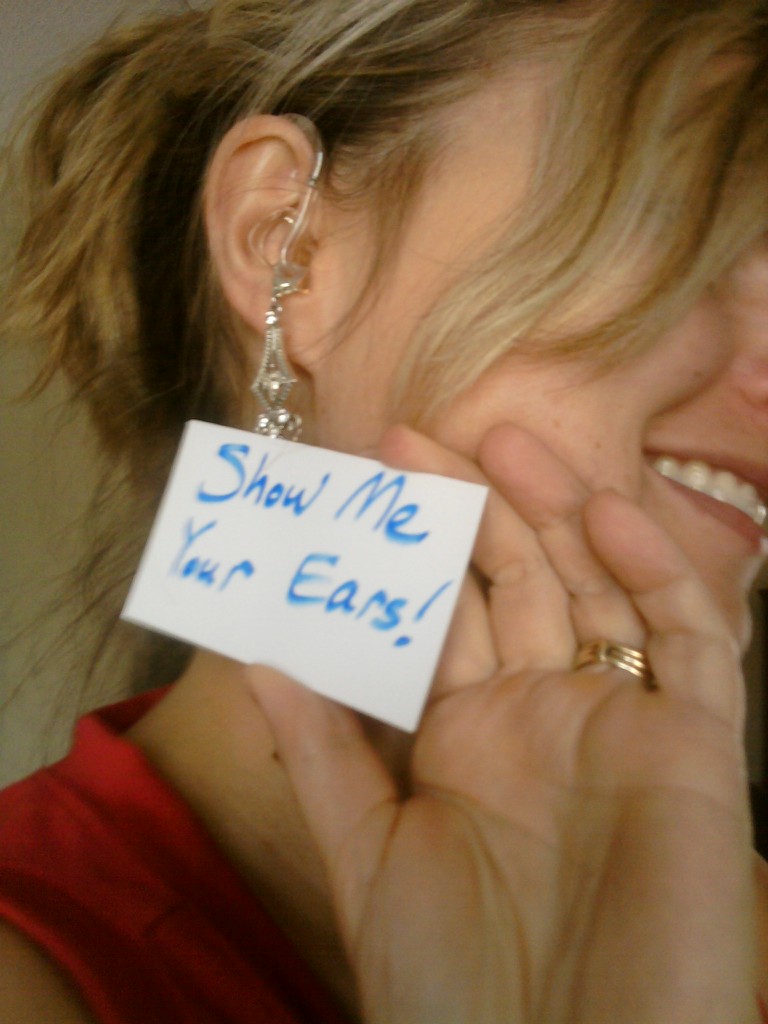
Join me in my new awareness campaign Show Me Your Ears: To Promote Deaf and Hearing Loss Community Awareness.

The idea is simple:

1) Take a picture of your ears, hearing aids, and/or cochlear implants. Even if you don’t wear anything in your ears, take a picture.

2) Email your photo to Lipreading Mom at sgrovesuss (at) msn (dot) com. Include the subject line: Show Me Your Ears. Include your first name, name of your hearing aids or cochlear implant product (if applicable), and how long you have worn them.

3) Watch my blog, LipreadingMom.com, in the coming weeks. Your photo may be featured!

I have blogged extensively about my progressive hearing loss on this site and my initial reluctance to wear hearing aids or show them off to anyone. I was afraid of what people would think about them. Would they think I was unable to communicate with them? Would they ignore me?

Finally, I made a decision: I am going to embrace my hearing loss. I’m going to show my hearing aids to the world. And so I do!

Will you help me to embrace that—hearing loss or not—all ears are unique, beautiful, special?

Hard of hearing or not, I confess that showing my ears to the world has been liberating. Will you join me in this campaign?

About the Author
Shanna Groves has been a hard of hearing mom since 2001. She is the author of the novel Lip Reader and writes extensively about hearing loss issues at http://LipreadingMom.com.  

Invisible Illness Awareness Week

This week marks a very special week for me. I have been a part of Invisible Illness Awareness week for a number of years now. Sept. 10-16 is Invisible Illness Awareness Week.

There are a number of terrific speakers at this year’s virtual conference. You can check out the schedule here:  CLICK

Hearing loss and Meniere’s disease are both invisible. I have struggled both successfully and unsuccessfully through the years in living with these. Those who do so live with a fair amount of frustration and stresses simply because what they deal with IS INVISIBLE. For me, one of the most frustrating things is that my symptoms may vary. To some, this makes me lack credibility at times. For example, I “hear again” with a cochlear implant and BTE hearing aid. I may hear you just fine in a quiet environment and one-on-one. However, if my tinnitus is roaring or we are in a noisy environment, my primary response may be “Huh?“.

I walk, jog, and can even RUN (believe it or not) on sunny days. However, the weather is a real trigger for my own Meniere’s disease. I may be out-walking my assistance dog one day, and the next have her close and wobble like an intoxicated person. For those who do not understand that symptoms may vary, and may fluctuate, it may seem as if I can’t make up my mind as to whether or not I live with a disability.

I have friends who have Fibromyalgia, Lymes, Multiple sclerosis, chronic fatigue syndrome, and other various illness and disabilities. They will tell you that it can be frustrating, even emotionally debilitating, to have folks in their lives choose to scorn, disbelieve, or ignore their own invisible illnesses.

It takes courageous people to live with invisible illness. I hope you will go to IIA (CLICK HERE) and learn more about how you can get involved in helping to raise awareness in your own community. You may not live with invisible illness yourself, but all of us who live with it will tell you that our friends and family that support us are just as influential as we are ourselves – if not more so!

Denise Portis

© 2012 Personal Hearing Loss Journal

They May Not Get It

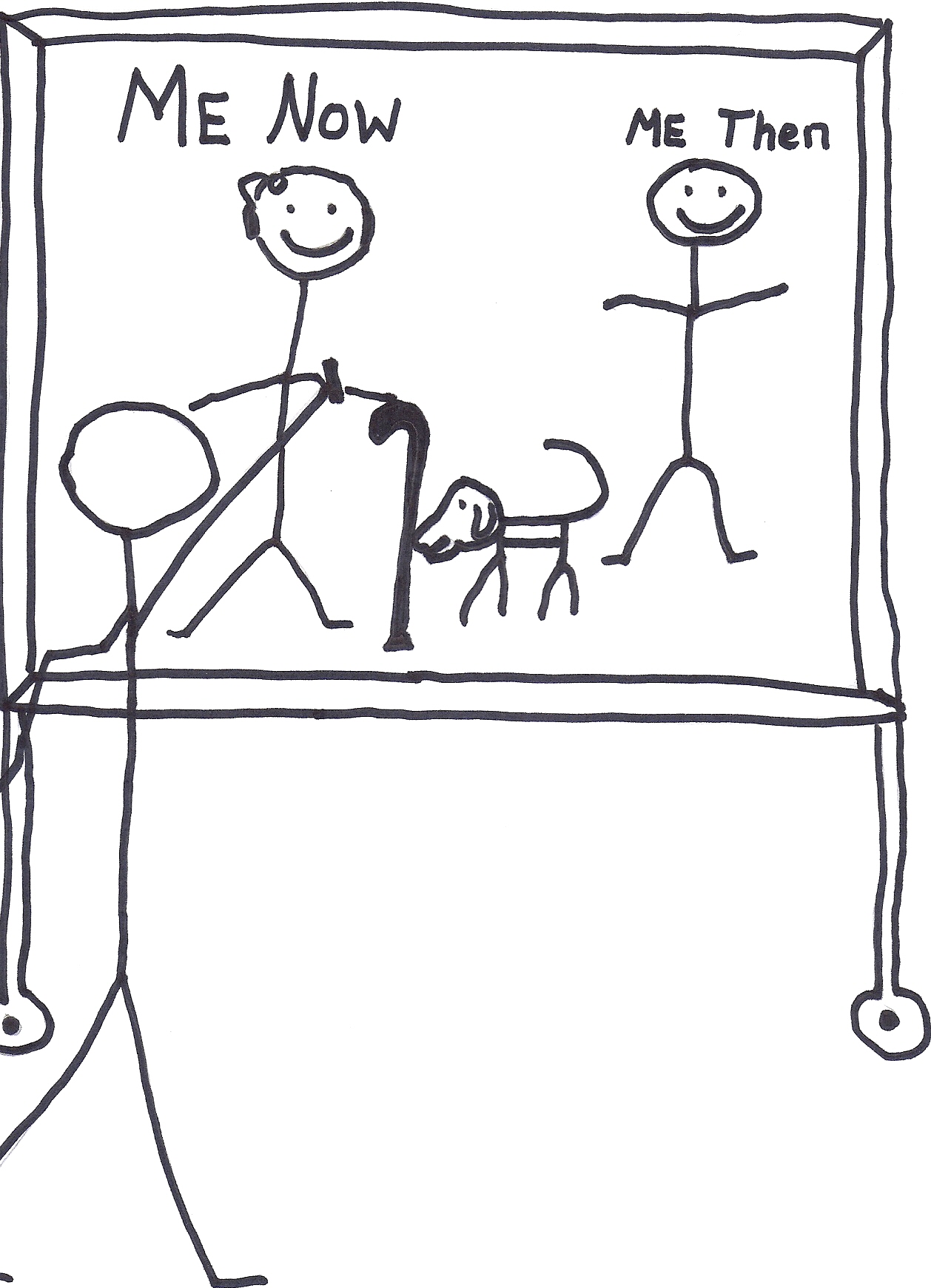
(Hey… I’m not an artist! But have you ever felt this way?)

One of the questions I am asked the most by folks who contact Hearing Elmo, is “Why doesn’t my family accept and understand who I am NOW?”

Before I even begin writing, let me express my hope that many of you will respond and share as I am very aware I do not have all the answers.

Why It Hurts

1. It hurts because the transition from “normal” to where you are was painful.

The school of hard knocks is – well – hard. Acquired disabilities and invisible/chronic illness are not easy to get use to when they first change a person. The journey from diagnosis to acceptance is a hard one. It hopefully has made us “better” and not “bitter”. I can attest to feeling stronger, more confident, and much more in tune with who I really am post-disability. Some of us have progressive symptoms and illnesses. We may adjust, only to have to do so again in a year or so. This too can grow us. But honey? It isn’t easy.

However, BECAUSE it was hard, it is hurtful when folks who knew us WHEN (back before our diagnosis), don’t accept or try to understand who we are NOW. We are still the same people. Our personalities have not changed. Our strengths and weaknesses are all still present – although you may have developed some new strengths because of your life path. So it is difficult when family members may sometimes be the hardest to teach how to talk to us now that we have a hearing loss. Or perhaps you are frustrated because a family reunion at a theme park is not ideal for you because you cannot ride any of the rides. Maybe you are utilizing a wheelchair, walker, or cane. A picnic and hike may not be a good way for you and your siblings to catch up – even if it has been a year since you’ve seen each other.

It’s not like we want recognition for the pain we’ve experienced. We aren’t looking for a medal. However, seeing any eye rolls or hearing frustrated sighs serve only to remind us our family

STILL

DOESN’T

GET

IT.

2. You expect your family members to care enough to accept you.

It’s not wedding vows. “In sickness and in health, for richer or for poorer…” But we have a reasonable expectation that our family members are going to love us and be there for us regardless. It doesn’t matter if we acquire a disability. We are still the same person. If Lymes disease has you aching and feverish a week out of every month, we expect compassion, not disdain. If CFS or MS has you weary, tired, and feeling as energetic as a centenarian, you expect understanding and maybe an offer to run an errand for you. If your eyesight is worsening due to various illness or disorders, you never expect frustrated outbursts when you explain you don’t have a ride to go to your nephew’s graduation.

But friends? Family members can need educating. Advocacy may begin at home. We wish it wasn’t necessary, but it may be very necessary. My kids grew up with me at best, hard-of-hearing. My husband, however, knew me before hearing loss. So I have to be willing to tell (nicely) him what works and what doesn’t. Don’t be surprised if it takes numerous lessons. Some heads are thicker than others.

What to Do

Talk to them. I’d elaborate, but honestly? You need to talk to them. Explain how you feel. Be willing to be vulnerable. Start with phrases that explain specifics and not general accusations. Example:

“When you sigh as I wobble into a shelf at the store it really hurts my feelings. I can’t help it when my world ‘twirls’. It’s hard enough to face the stares and hear the whispered remarks from strangers. I expect better from you. I expect your support.”

They May Never Get it

We can choose our friends, but we don’t choose our family. Blood is blood and it simply cannot be changed. However, you do not have to put up with people who ridicule you or try to injure you with words. You do not have to deliberately spend time with people who only make you feel worse. Sometimes? Sometimes those toxic people are family members. I hate it for you. I hate it for me. But it can be the painful truth.

Sometimes those friends that we choose? They become family. Maybe not by blood. Perhaps not by legal adoption. But folks who encourage us, lift us up, make us better people, understand, lend compassion and energy? They can become like family members. My heart’s desire is that you will find some folks like this if you haven’t already.

I welcome your thoughts on this. Knowing family members may grieve the person they once knew, or have trouble adjusting to the fact you are “differently abled” is important. Be patient. But also put healthy boundaries in place to keep unhealthy people from de-railing your progress with your own adjustments.

Denise Portis

© 2012 Personal Hearing Loss Journal
It’s Not Easy Being Green

I love Kermit. For the record, I loved Kermit before Miss Piggy loved Kermit. In the early 70’s, Kermit first poignantly croaked out that “it’s not easy being green”. Being green was something he could not help. It simply was.

This song has since been associated with people lamenting their own self-identity, yet coming to terms with “it being what it is”. By the end of the song, Kermit admits it’s OK to be green and that it is how he wants to be.

Am I OK Being This Way?

Something I have struggled with in acceptance of acquired disabilities is “the new me”. You see… I wasn’t born green. I can’t even say the transformation was similar to the beautiful miracle and mystery of a caterpillar changing into a butterfly.

And yet… it’s not like I asked to be late-deafened. It’s not like I asked to have a balance disorder like Meniere’s disease. But just like Kermit being green, it is what it is. There is no changing it.

So if this is me now, am I OK with it? Anyone with acquired disabilities ever struggle with that acquisition? If I asked for a show of hands, you’d first notice my own raised palm. I think you’d also notice a great number of hands. You aren’t alone.

Like many of you, I feel good about who I am much of the time. But I’d be lying if I said it’s always easy to be me. It’s not. So what to do?

Acceptance ≠ Resignation

I’ve never heard a person with acquired disability or chronic illness say, “This is easy”. It’s not. Yet do you know what I have discovered? I have this fuzzy, old memory of “life before disability” and IT STILL WASN’T EASY. My friends? Life is not easy. If you haven’t figured that out yet then you are still very young. Or, perhaps you are a frog.

I am discovering that acceptance of where I am (or even where I may end up), does not mean that I give up. Nor does it mean that I am resigned to an unhappy, unfulfilled life with no chance of ever giving back or having a purpose.

I get some “flack” with some of my readers about using the word “disability”. Rest assured, I welcome ALL opinions and discussion about the posts here at Hearing Elmo, as do the guest writers who participate. Some have suggested that using the term disability lowers one’s expectations and influences self-esteem. I understand the argument and point of view by those who believe this. I use the term because it is the terminology used by the ADA which ultimately protects my rights as a person with disability. It is about my freedom as a person who negotiates life a little differently. You may use disabled, differently-abled, special challenges, etc. In the end though it is green; though some may call it lime, olive, or chartreuse.

So today, August, 20, 2012, I am a person with disabilities. It’s not easy. But it isn’t impossible. Bottom line, because of who I am today, I compromise. I’m going to Hershey Park with a big group of couples from our church. I’m the self-designated pocket book holder. I won’t be riding any rides. I cannot. But I anticipate a day of fun and fellowship with other folks my age. I don’t choose not to go. For me, that would be giving up so it is not an option.

I don’t use the phone well, but I can use captioned phones, assistive technology, and my cochlear implant to make do. I use email a lot – and yes, FaceBook too. I walk like the world is in motion – especially on rainy days. Yes, yes, I know. The world IS in motion, but trust me! My earth’s rotation is faster than YOUR earth’s rotation. So I often walk with a cane. I have an assistance dog who counter-balances, and retrieves things I drop. I say, “Whoa!” a lot.

Don’t Pin a Super Hero Cape on Me!

Before you pin a super hero cape on me, please know that I don’t always have good days. I don’t always wake up and believe I can take on the world. I do not always look in the mirror and like what I see. There are times I worry about where I am in terms of what I can and cannot do. What is important, I believe, is what you do after having those very normal feelings. Worried? Totally normal. Depressed? This can be a very normal reaction. Pissed? Believe it not, being angry is a normal response to acquired disability. When you STAY worried, depressed, or pissed it becomes a problem. Don’t be afraid to talk to others. Perhaps you need to see a counselor. Maybe you need to do something just for YOU to work off some of that negative steam.

You will never hear me say it’s easy being green. It’s not. But acceptance of where we are allows us to then LIVE and even to give back – to be productive and have a life of purpose. Just like Kermit croaks, we may not be sparkly and flashy like others. Within each of us is the desire to discover and acknowledge that our being green – is OK. Perhaps even good.

I welcome your thoughts on this!

Denise Portis

© 2012 Personal Hearing Loss Journal
It’s Not Easy Being Green lyrics

It’s not that easy being green
Having to spend each day the color of the leaves.
When I think it could be nicer
being red or yellow or gold
or something much more colorful like that.

It’s not that easy being green.
It seems you blend in with so many other ordinary things.
And people tend to pass you over
’cause you’re not standing out like flashy sparkles in the water
or stars in the sky.

But green’s the color of Spring.
And green can be cool and friendly-like.
And green can be big
like an ocean
or important like a mountain
or tall like a tree.

When green is all there is to be
It could make you wonder why, but why wonder why?
Wonder, I am green and it’ll do fine
it’s beautiful!
And I think it’s what I want to be.

How Important is it to Prepare?

With family in Colorado dealing with the fires, and our own area’s recent experience with widespread power outages after a “land hurricane”, disaster preparedness has been on my mind lately.

Isn’t it crazy that we don’t think to plan for something until it actually happens? Then we get some things together for the next time, only for a decade to go by before it repeats itself. By that time batteries are dead, water is stale and evaporated, and extra dog food has turned to powder.

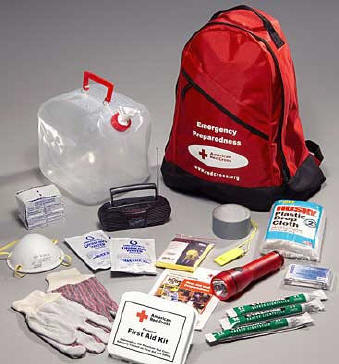
Preparing can be expensive too; something most of us have difficulty budgeting for should a disaster occur. Yet, little by little we CAN get together some essentials. Purchased over time, these items may be less of a punch to our weekly budget for food and other essentials. If you dislike gathering things together for a price, disaster preparedness kits can be purchased at stores or online.

What to Put in a “Kit”

You can find numerous resources online with information about what to put in a disaster preparedness kit. You may have to prepare with numerous people in mind, or even numerous pets. According to the experts it is best to have a kit on hand that can be picked up and taken with you in the event of an emergency – fire, hurricane, or flooding… things that can be predicted to some degree as the result of early warning systems in the area.

With power outages, however, you may need a bigger “kit” for numerous days. Power outages can be planned as the result of city construction or tree removal. Most of the time though? Power outages are an unpleasant surprise. Causes can range from results of mother nature at work, or a hubby at work with a shovel and a poor attention span.

72Hours.org has some terrific ideas in what to put in a disaster kit. You can access the site HERE. FEMA and Ready.Gov has some additional plans and ideas at their site. These include how to let friends and loved ones know where you are and how you are doing. You can access these plans HERE. The ASPCA has some wonderful ideas and plans for those of us who may have service animals and other family pets. You can access that information HERE.  The Red Cross has some additional ideas for pet owners HERE.

The key is to BE PREPARED. When my family and I experienced 36 hours of no power in 95 degree heat, it isn’t something we decided to do for FUN. It was an unexpected and unpleasant surprise. We had plenty of water and gas in our cars, but could not even leave the house at night in sweltering heat because of numerous pets that needed attention, supervision, and assurance. We holed up in the basement and did our best to keep everyone calm and as cool as possible. Because I shop at Costco, when I buy batteries, I buy A LOT. But I wasn’t keeping close tabs on what sizes we had, and our flashlights and lanterns were scattered all over the place. (The power outage began late at night after the sun had gone down). I discovered after doing a little investigating after the power returned, that generators are expensive. They can also be dangerous to operate if you do not know what you are doing. Yet after our experience, I started a “generator piggy bank”. It may take us YEARS to have enough to actually buy one, but imagine being able to run some fans and keep the refrigerator running during a long-term power outage?

I welcome additional ideas our websites that may help folks prepare.

Disabilities or Health Issues?

As a person with disabilities I was prepared BY ACCIDENT. I purchase cochlear implant batteries in bulk once or twice a year. Thankfully, my cochlear implant is NOT the type that uses rechargeable batteries or I may have been deaf as well as sweaty! I noticed that because of the excessive heat, my balance was worse than usual. I was unprepared for a SUNNY day to be staggering around as if it were a rainy, overcast day. My husband who only has one kidney, was especially fatigued and weak because of the heat. I had friends that were unable to power their scooters that they use for mobility purposes, but their manual wheelchairs were in storage! These kinds of things can make a difficult situation much worse.

If you have special needs of ANY kind, be sure to take these into consideration when you do your planning. Because we are all aware of how important that planning is, right? (GRIN)

Denise Portis

© 2012 Personal Hearing Loss Journal
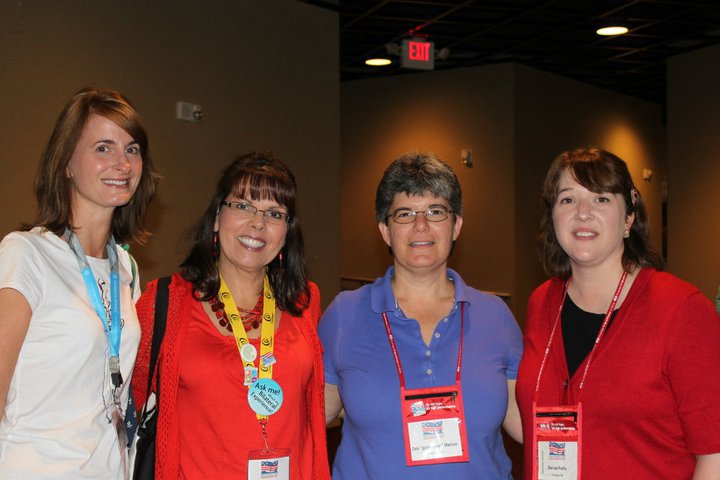
Dissension in the Ranks?

We get along great – thank you very much!

One of the big arenas in which I connect with others struggling with some of the same issues as I do, is Facebook. It never ceases to amaze me some of the criticisms I read among not only the hearing loss community, but the disability community as a whole.

Take the word “disability” itself. Some people have a good ol’ fashioned hissy fit if someone uses the “D” word.

Others may get uptight if someone brags on the brand of hearing aid or cochlear implant they use. Some folks may get up in arms about who did the right thing by whether or not they owner trained an assistance dog, or trained for a “program” service dog. I actually saw a conversation about whether or not people who lose their hearing should – or should not – use ASL (American Sign Language).

At times I just want to throw up my hands and whine loudly, “Can’t we all just get along?”

Nothing Wrong with Being Proud

Pride is often vilified. The phrase “Pride goeth before a fall” is used frequently to remind us that a prideful (almost disdainful) attitude not only turns others off, but ultimately may cause a person to fail or not achieve their goals. Pride is often categorized as a negative trait. However, pride may also be a GOOD thing. We can be proud of our kids, our skills/talents, or of our affiliation with a group or organization. It may instill a sense of identity. Zia and Katzenbach (2010), suggest that a healthy sense of pride can potentially motivate an individual to doing good work for others; to serve, inspire, and ignite a passion to do your very best.

Sometimes I “rag on” my husband about being prideful. It is usually with an eye roll while inferring “we all know how you can be”. Men are often accused of being susceptible to a negative kind of pride and ego. But ya know something? One of the things I love most about my husband is his healthy sense of pride. He knows what he is good at and in that knowledge comes a sense of urgency to share those things. He recognizes his gifts, talents, and skills, and uses them to assist others. I’m reminded when I choose to give him a hard time about being cocky occasionally, that many of the things I love about him actually stem from his sense of pride.

Part of embracing who you are “now” may mean you begin to associate with a group or community of people. Chandler (2009) believes that people with chronic illness or visible and invisible disabilities should use disability pride to their advantage. This doesn’t mean we become our disability, but rather we embrace who we are despite our disability. “Fundamentally, Disability Pride represents a rejection of the notion that our difference from the non-disabled community is wrong or bad in any way and is a statement of our self-acceptance, dignity and pride. It signifies that we are coming out of the closet and are claiming our legitimate identity. It’s a public expression of our belief that our disability and identity are normal, healthy and right for us and is a validation of our experience” (Triano, 2009).

So Why Do We Criticize Others?

If you follow Hearing Elmo, you know that I get really excited about guest authors. (If you are interested in writing for Hearing Elmo, shoot me an email at denise.portis@gmail.com). I know there are experiences within the community that I do not understand because I do not live it. It is good to get other’s perspectives and thoughts about issues that relate to our community.

Being diagnosed with hearing loss can frustrate patient, family, audiologist, and doctors. It is not “one size fits all”. Causes, degrees, implications, and symptoms may be extremely varied. Having balance problems does not mean that we have similar experiences, or erm… all FALL THE SAME WAY. My life with hearing loss and the balance problems I have, may be completely different from someone who shares the same diagnosis. We are still individuals.

So why do people within our community argue, posture, and belittle someone else who chooses a different path? Through the Hearing Loss Association of America, I have heard the motto “whatever works”. This means that whatever a person chooses to mitigate their own challenges is supported by the community as a whole. Have a hearing loss but do not want to learn ASL? No problem. But don’t blast those who chose to embrace the Deaf community and use ASL as their primary means to communicate. Don’t criticize those who choose to use the language (or variations of) when batteries die, or environments are not conducive to communication. Love your hearing aid? I’m happy for you! But if someone else chooses not to use them or horror of horrors… chooses another brand, don’t verbally bash them!

The picture at the top of this post is a photo of some of my dear friends who I met as a result of my own hearing loss. Our hearing loss is as different as our appearances – and ACCENTS (grin). We struggle with different things and may have chosen various coping skills by which to live a victorious life despite our challenges. Yet, we celebrate our SAMENESS. (Hey! That is a word – – look it up!). Is it not hard enough to keep a positive attitude and strive to make a difference without cutting down those who have challenges of their own?

Does this mean we aren’t entitled to our own opinion? Of course not. However, there is a big difference between having an opinion and expressing your opinion. To do so and deliberately criticize or demean another is never the right thing to do. As a matter of fact, to insist “it is my way or the highway” makes you disabled instead of a person who happens to have a disability. ‘Course… that is just my opinion as well!

Denise Portis

© 2012 Personal Hearing Loss Journal
Chandler, E. (2009). Pride and shame: Orienting towards a temporality of disability pride. Radical Psychology: A Journal Of Psychology, Politics & Radicalism, 8(1), 2.

Triano, S. (2009). What is disability pride? Retrieved June 30, 2009, from https://www.disabledandproud.com/power.htm    

Zia, K., & Katzenbach, J. (2010). Getting back on the fast track with pride. Leader To Leader, 2010(58), 33-38.

A Special Kind of “Stupid”


On Monday evening, May 14th, David Walters of Bel Air, MD, pulled a fire alarm in  a crowded theater. He was issued a criminal summons the following day and faces a $5,000 fine and up to 5 years in jail. You can read about the story HERE. More on the story HERE.

It seems David was upset that the movie was open captioned for patrons who are deaf or hard-of-hearing. Specific movies (identified at the ticketing counter) allow people with hearing loss to enjoy newly released movies on the big screen. It allows equal access. Sure… we can purchase the movie later after it goes to DVD and watch it at home. But who wants to miss out on the buttery popcorn, movie candy, cherry Icee‘s and being with friends and family at the theater? Nothing beats the big screen! David marches out and complains – evidently loudly. He is offered a refund which he refuses. He goes back in to finish the movie. When finished he comes out again and loudly complains – now demanding a refund. When denied (because he went back into the movie), he gets angry and pulls the fire alarm. This shuts down all the theater’s screens and panics movie goers.

This is a special kind of S.T.U.P.I.D. When I first read about this story, I have to admit. I had some “AVENGER” feelings going on in my own heart and mind for this idiot. I thought, “Wow. If he could live one day in my shoes. It would be poetic justice for him to lose his hearing someday!”

Deaf For A Day

Because I live with both deafness and a balance disorder, I can tell you honestly that really? I wouldn’t wish deafness on anyone. Yeah. This jerk probably deserves it, but hopefully what he’ll get is justice. I hope because he endangered so many people that they make an example of him. I hope everything was done correctly in his arrest so that he doesn’t get off on some kind of technicality.

Each year I ask my students in my ASL1 class to voluntarily participate in a “Deaf For a Day” assignment. Later, they write about it. Most “get it”. They understand what the assignment was about and why they are asked to participate. Each year, however, I have either a student or two, or a parent or two, very disgruntled about the assignment. In the follow-up writing assignment, some disclose how poor of attitudes family members had because they were unable to communicate with their student in a “normal” way.

Yes.

I like to think that should something happen to their child and they lost their hearing, these parents would do all that they could do to be supportive and loving in the transition to a new way of communicating. They may not use ASL even, but technology is not a 100% fix. Even cochlear implant surgery is not 100%. I’m bi-modal (both cochlear implant and hearing aid) and although I hear really well, I still am considered a person with hearing loss. There are times I have to ask for a repeat, or ask someone to follow me to a quieter location.

Put Yourself in Their Shoes

Before you think to yourself that you would never be this “special kind of stupid”, consider this.

Have you ever parked in a handicapped space to save time because you were only running into the Post Office for 5 minutes?

Have you ever sat at a table clearly marked for handicapped patrons at a local fast food place because there were no free tables, and then failed to keep a look-out for anyone coming into the establishment that may need that table?

Have you ever reached to pet a service dog without requesting permission of it’s owner?

Ever felt exasperated (and let it show) while waiting in line behind a mom with a child with autism or other special needs who was having a meltdown?

Have you ever felt impatient as someone with mobility issues that fumbles and drops items while you are waiting in line at the cashier?

Ever see someone stumble or walk funny and immediately think they’ve been drinking instead of thinking they may have a balance disorder?

Ever honked your horn and grimaced at an elderly driver who cautiously entered a very busy intersection during peak rush hour?

Not understanding what chronic fatigue syndrome, fibromyalgia, or Lyme disease actually are, have you inwardly cringed and rolled your eyes while listening to a seemingly endless list of complaints about pain from a co-worker, fellow church member, or acquaintance?

Ever see someone mistreating a homeless person or person with mental illness and not intervened?

Ever stepped into a handicapped stall in a public restroom because the others were full? Exactly how are you going to know someone is there who needs it when you are actually in there doing “business”?

You may not be pulling fire alarms and endangering hundreds of people, but you are still choosing to be a part of this special kind of stupid group. I’ll admit that I’ve made some of these mistakes myself. We all have.

I’m asking that all of us take a minute, however, to think about how we can do better. I don’t know about you, but I don’t want to be a special kind of stupid.

Ever.

Let’s love our fellow man, offer a helping hand when we can, and smile at someone just because it’s Monday. Buy a cup of coffee for the next person in line. Hold the door for someone.

Maybe.

Just maybe…

it will be contagious.

Denise Portis

© 2012 Personal Hearing Loss Journal
If Fish Aren’t Stupid…

I love it when I learn something new. Even when that learnin’ means that it contradicts something I previously thought was true. I grew up on a farm/ranch in SE Colorado. The families I knew, including our own, had all kinds of animals. Common critters included horses, cows, pig, sheep, chickens, turkeys, peacocks, ducks, geese, and even a llama or two! Something you didn’t see a lot of in the family rooms of various ranch houses were aquariums. We had some big ol’ goldfish that grew to an astonishing size in the cow tank near our house. What was even more astonishing than their size is that they survived the frozen tank winter after winter. I can’t remember who first told me that fish are stupid. This was long before “Finding Nemo” even came out in theaters, with Dory convincing us all once and for all that

fish.

are.

stupid.

After I went away to college and married a city boy, I actually lived in town big enough to have cable television. I found that I had a lot of years of catching up to do on Animal Planet, the Discovery Channel, and many other educational animal shows. However it wasn’t until my daughter’s boyfriend – the one who happens to know all there is to know about owning a freshwater tank – put up a couple of aquariums in our home on behalf of beloved daughter, that I began to see freshwater fish up close and personal. As a matter of fact a big 30 gallon tank sits behind my desk, so it is pretty hard to miss the freshwater angelfish swimming around the tank. I very soon discovered that my preconceived notion about the stupidity of fish was – well – WRONG. They really do NOT have 30 second memories. They are affectionate, can remember the easiest “trail” through the freshwater plants to circumnavigate the tank, will follow a person around the tank to “beg” for food, they can be aggressive and yet can be tame enough to actually take blood worms from your fingers. They will live in harmony with other types of fish (but not all), and seem to actually play with each other occasionally. Don’t get me wrong. I’m not ready to whip out an IQ test to see how they fare, but I really no longer believe that fish are stupid.

Other Wrongs – Now Corrected

I just turned 46-years-old this week. That is really hard for me to wrap my mind around. I remember when my mother turned 46-years-old, I was a very young and immature 23-years-old. I remember filling out her birthday card to send from my little apartment in Chattanooga to her “home on the ranch” in Colorado and thinking… “Wow. Mom is O.L.D. She is definitely entering her “senior” years now.” I’ve got to tell you now that I’m 46-years-old myself? Well, let’s just say I want to open mouth – insert foot.

I also grew up with very limited experience with any person with chronic illness or invisible disabilities. I did not have very much experience with people with even visible disabilities. Growing up in a small farming community limits one in that way I guess. It wasn’t until I became deaf and developed Meniere’s disease that I first really began meeting people of all kinds who are “differently abled”. Having an acquired disability today is much different than it use to be simply because we have the Internet that connects us to each other and to a wealth of information as well. I grew up believing that people with disabilities were to be pitied. Knowing what I know now about a community of which I am proud to be a part of, pity is the last thing any of us want. I’m constantly amazed by the perseverance and strength that I see in people with all kinds of various “differences”. I hate to even use the word disability, but it is the language present in our current laws that protect the rights of those who have them. A fellow client from Fidos For Freedom, Inc., first introduced me to the term “differently abled”. I find that this phrase much more accurately describes those who live a victorious life despite any physical, mental or emotional differences they may have. Through networks such as the Hearing Loss Association of America, Cochlear Americas, Invisible Disabilities Community and Invisible Illness Awareness Week I have learned that having invisible issues also creates incredible strength and depth to the human soul. I’ve met some wonderful people who have taught me how to navigate life with grace and a “can do” attitude.

I’ve learned that all of us should “check our preconceived notions” at the door. Assumptions are a discriminatory lot. I do have to admit to also enjoying lessons learned from erroneous stereotypes. After all, that means I’m still learning. You can teach an old dog new tricks! After all, I’ve learned that fish aren’t stupid…

Denise Portis

© 2012 Personal Hearing Loss Journal
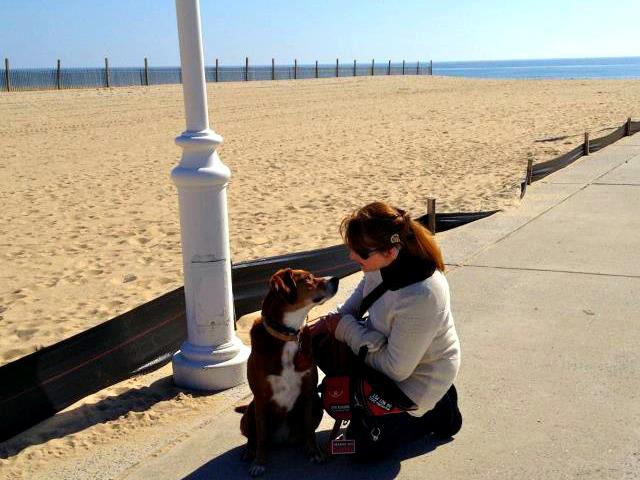
Time Off

Chloe's vest comes off and she gets the "beach rules" from Denise. Unaccustomed to being "vestless" in public, she was very attentive and unsure in the beginning


As a surprise, my husband reserved a couple of  nights in a motel at Ocean City, MD, while we were on spring break from work. (One of the perks in working for a college). Apparently March is the time to go if you are not a crowd lover – or “sun” lover. Too cool to lay out or play in the surf, but beautiful weather for walking and many opportunities for quiet time.

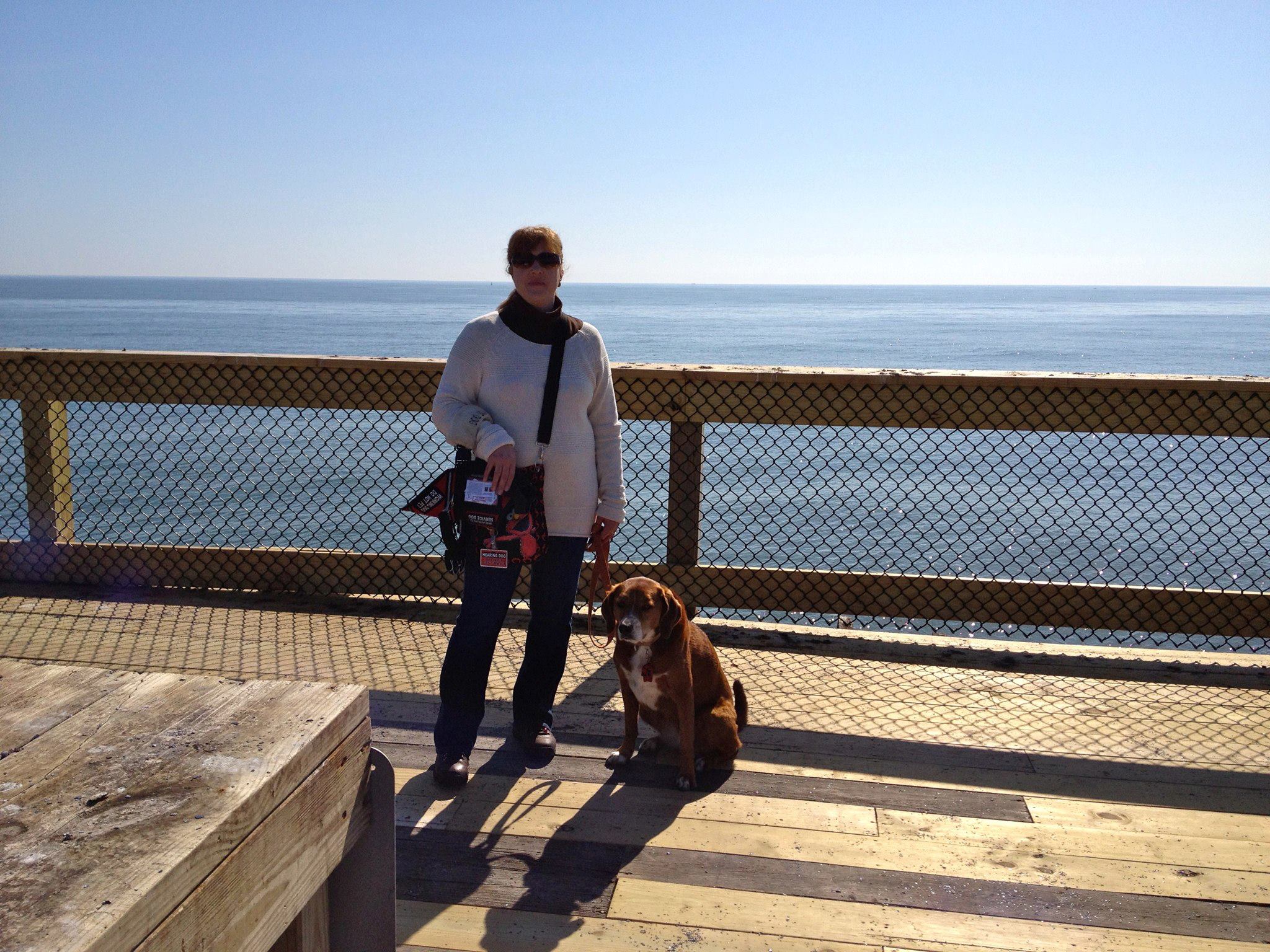
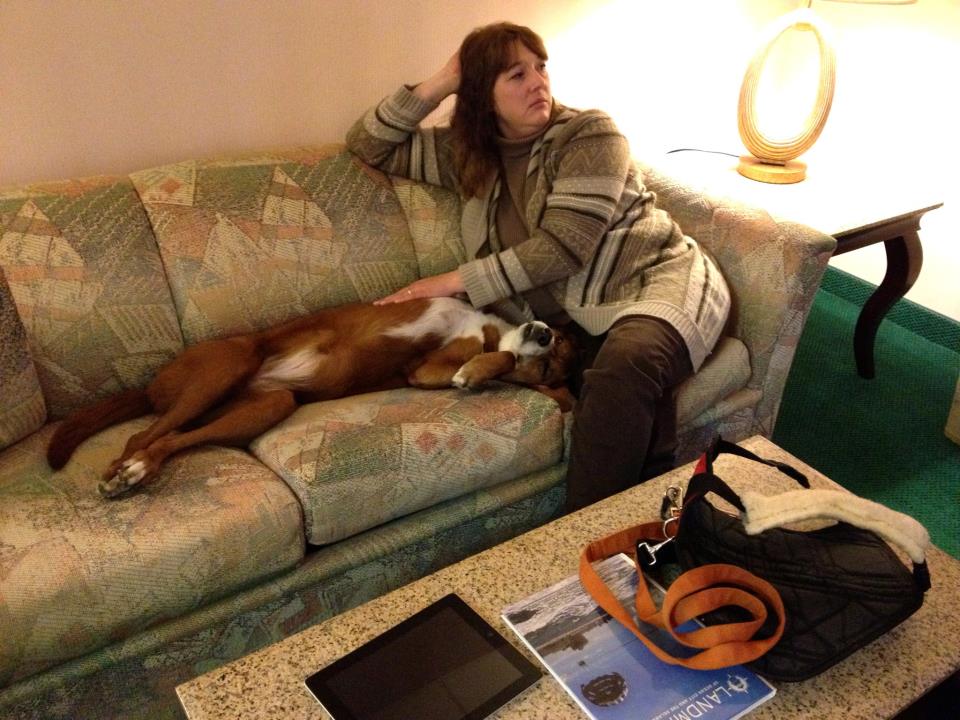
Chloe is normally “working” when she is in public. Determined to give her some time to just be a dog, I removed her vest for large amounts of time. She was at first a little timid about being without her vest. Once she saw some other canines on leash though, the wag was back in her tail. Even working dogs need down time. People ask me all the time if Chloe gets to relax. I always have to grin. Chloe is almost 8 years old and at home? Well, let’s just say she knows how to relax. She doesn’t wear her vest at home, but she still alerts to timers, my phone, or my name being called. But she naps (and snores), she plays with her buddy, Tyco (our family dog), she has several squeaky toys, she squirrel watches, and eagerly awaits family members coming home.

Chloe enjoys working though. She danced her way on campus just this morning and wagged her way all the way to the elevator. Sometimes I wish some of her “wag” would rub off on me as 7 AM classes on Monday seemed awfully early to me after a week off!

Everyone needs time off. It can be hard to do if you are working to pay bills, save money, or try to get out of debt. But time off can be in small, “mini” vacations. Even an hour or two here and there can be very beneficial in helping a person re-group.

People with DisABILITIES Need R&R too!

I have met a number of people with various disabilities that have confided that they rarely do what others call “fun” things. Think about it for a minute. If people who walk without assistance, hear without assistance, see without assistance, and speak without assistance enjoy things like movies, walking, reading a good book, or hanging out with friends, well? It just may not be that easy for others.

I like going to the movies. I went to see “The Hunger Games” over spring break with my husband and 21-year-old son, Chris. But I don’t get the same level of enjoyment out of movies that they do. Even with Chloe by my side, I am very disoriented in the dark, especially if my cochlear implant is picking up the very loud commercials and previews on the screen. As I make my way to a vacant seat, I am often fighting the effects of vertigo. After I get seated – hopefully in a place where people won’t have to crawl over my assistance dog and I – it takes a number of adjustments to find a good program on my CI to best hear the movie. If I do that, I sometimes find it difficult to converse to the person right next to me too. At times I miss things said in the movie. If I’m with someone I know well, I’m not bashful and will lean over and ask, “What did they say?” There are not any captioned theaters close to my home (although I am glad there are some within an hour’s drive), so most of the time I go to the same movies you would attend. However, not having captions mean I have to really pay attention! Can I just be honest and say that I’m unable to eat popcorn and catch an on-screen conversation at the same time? (BIG GRIN). I have to really focus and concentrate to understand what is going on. So it is still “fun” for me… just not perhaps the same level of “fun” it may be for you because it does take WORK.

For some, sitting down and reading a book may not be “fun”, and it doesn’t mean they don’t enjoy a good book. Some folks have trouble even holding a book, or turning pages easily. Taking a walk may relax YOU, but for someone who has Meniere’s disease it can be difficult to do a simple walk. My world constantly turns counter-clockwise. It is a slow rotation, mind you, but a rotation nonetheless! On high humidity days, the rotation picks up speed – one of the reasons I just don’t try to walk on days like that! So walking on a sidewalk in a straight line takes concentration. I have given up walking with family members. Although I enjoy the conversation, I cannot talk and walk at the same time! I can talk to my walking buddy, Chloe, and she just listens. I don’t have to worry about her end of the conversation and my having to make sense of what she said while still putting one foot down in front of the other. We love to go into the woods on trails and in grassy areas too. This requires even more concentration. I usually shut up at this point as I have to carefully balance each step. So yes… I enjoy walks but probably not on the same level you do.

Despite having to make adjustments and find a new way of doing seemingly mundane things, even folks who are differently-abled need to take breaks. Perhaps even a lot of them! They may be in the form of naps. I am learning that napping or resting is a necessary requirement for many people with certain kinds of invisible illnesses. I require 8-10 hours of sleep a night. (When I tell people that, they FALL OUT, but if it helps you get through a day “hearing well”, you do anything necessary). Others may require a nap – or TWO. They aren’t lazy. They aren’t depressed (although just like anyone, people with disabilities can and do get depressed). They simply require some extra rest in order to continue a day’s work.

Chloe "relaxing" on a mini vacation at the beach. She really knows how to de-stress!

Careful not to judge. You may wonder why someone doesn’t enjoy the same kind of “down time” you do even though you have the same disability. Each person has individual differences in their disability. I have a friend who enjoys running in his spare time. I’m talking about REAL races… the kind where you take off after hearing a starting pistol! He’s an incredible runner and does very well. He is a bi-lateral cochlear implant user. When I first met Sam, I was astonished to hear what he did for fun! Having hearing loss and balance issues, running isn’t something I can enjoy.

I’m not saying we shouldn’t look for others who are struggling with some of the same issues. We can mentor, give advice, and support someone else in a way that will give them the tools they need to live a victorious life. But do be aware that you may share a diagnosis, but have different symptoms, struggles, and issues. We can still be a listening ear and give encouragement. Just be careful about insisting on something that works really well for YOU, because it may not work really well for them.

I’d really love to hear about some of the ways you choose to unwind! What do you do to relax? What is FUN for you? What do you need to do in order to enjoy some of the things others do without accommodation?

Denise Portis

© 2011 Personal Hearing Loss Journal