DisAbility Etiquette (part ONE)

DisAbility Etiquette (Part ONE)

You cannot know how long I struggled with what to TITLE this piece! Having recently left a nearly 3-decades-long career in teaching (Psychology and ASL), I know how preoccupied folks are with being “inclusive” and equitable. Some even fully embrace being <GASP> WOKE. Folks who do not identify with any marginalized person group have shared with me (at least in the field of education and higher learning) that workshops, required certifications, and mandatory inclusive components more and more feel like “hoops to jump through”. 

I can tell you that as a person with disabilities, the last thing I want abled people to feel about inclusive practices is relief at having a checkmark on their HR records. I love the way Emily Ladau (2021) simplifies best practices with an easy to incorporate “rule” in interacting with those who are differently-abled. “The Golden Rule” is simple and easy to live out with true authenticity. Treat others in the same way you would want to be treated. “You don’t need to start overthinking everything you say or do. That just makes things weird. Disability etiquette isn’t about tiptoeing around us and treating us like strange, delicate flowers (in fact, that’s pretty ableist in and of itself.) It’s about treating us like full and equal human beings” (Ladau, 2021, p. 89). 

I truly believe (most) people mean well. Sometimes well-meaning intentions go awry, however. Yesterday, my husband and I went out to eat at a restaurant. My husband knows not to linger and hover over me as my service dog, Finn, gets me from “point A” to “point B” safely. Besides, he needed to make a “pit stop” so I walked out alone. As I navigated the last section near the door, I passed a booth with a family who had young children in it. Having lived the majority of my life with profound hearing loss, I do speech read fairly well. I saw one of the dads say to those at the table, “there’s a dog coming with a disabled person… don’t look, don’t stare, DON’T STARE”. Two of the three children (with age-appropriate ability to fully comply), dived under the table with one screeching, “I’m not looking at the dog! I’m not looking at the woman!” 

I tell you what, I was so cracked up I had to stop and lean against my cane for a second before giggling my way to the door. As I passed the booth one dad was doing a classic “face palm” while the other mouthed, “SORRY” as I hobbled by. When I got outside, I had to do a “cane lean” again as I seriously nearly fell over laughing. Those dads didn’t need to warn the kids about my coming by. Finn is gorgeous, smart, and talented. I don’t mind the “look at the dog!” comments. I know the dad’s comments were meant in respect, but please… just treat me like a normal person. I have bling on my cane, cochlear implant, and hearing aid. My dog is an 85-pound, solid Golden Retriever. I’m not invisible nor do I care to be. If someone says, “What a pretty dog” as I walk by, I simply smile and say, “Thank you! He’s amazing”. I don’t consider noticing something that is VERY noticeable as being rude.
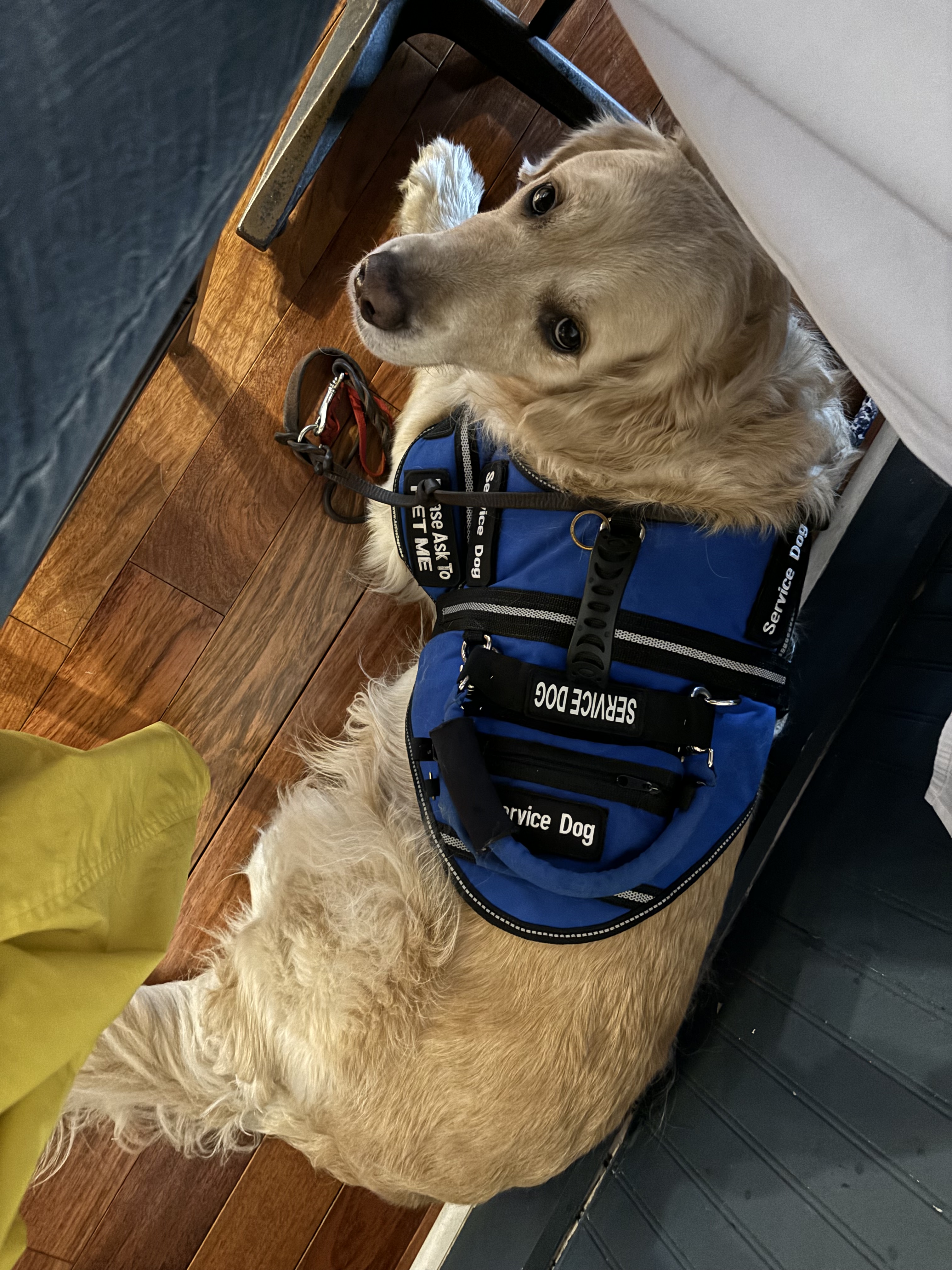
Photo description: Large Golden Retriever with royal blue service dog vest under a table at a restaurant. 

To close out this two-part series on “DisAbility Etiquette”, I wanted to share some do’s and don’ts of two disabilities I have. [CHALLENGE: If you have other disabilities and would like to write for “Hearing Elmo” and share your own “do’s and don’ts” please contact me at denise.portis@gmail.com. I love having guest writers!]

In part two, I want to discuss some do’s and don’ts for people who use canes and service dogs for mobility challenges. In part one, I’d like to share some tips for interacting with people who have hearing loss. NOTE: I do “hear again” with a cochlear implant but these tips work for anyone with any degree of hearing loss, even those who are culturally Deaf.

DO:

  1. The Golden Rule (I won’t reiterate it again – smile)
  2. If you know someone has a hearing loss and you are hosting a workshop, meeting, or get-together, send an email or text to the person and ask what you could do to make the venue more accessible.
  3. Follow-up (especially work-related) meetings with an email to ask if they have any questions or missed any topics. (Careful with this one… don’t be condescending).
  4. If possible, secure captioning (transcription) for the meeting. Transcripts can be emailed to EVERYONE which only helps all present.
  5. Avoid small group activities where everyone is talking in small groups at the same time.
  6. If a person uses ASL, please provide an interpreter.
  7. Flicker the lights to bring the meeting to order. Yelling or wildly gesturing is rude.
  8. If there is a microphone present, USE IT. Don’t say, “my voice carries” or “I think everyone can hear me”. 
  9. Insist others use a microphone from the audience, or repeat any questions asked. 
  10. Write out on a white board or include a slide in a presentation if you are going to do any type of ice-breaker question, detailing what is being asked of participants. 

DON’T

  1. Announce or otherwise bring attention to any one individual who may have trouble hearing.
  2. Raise your voice to a near shout. 
  3. Turn your back to the audience to point to or gesture towards a screen or whiteboard.
  4. Talk to the interpreter of a culturally Deaf person, instead of talking to the person themselves. 
  5. Play music or “theme songs” in between speakers.
  6. Use videos without captioning turned on
  7. Talk at the same time someone else is.
  8. Over enunciate speech
  9. Chew gum or have other items in your mouth when speaking.
  10. Hesitate to ask the person with disabilities if you are not sure how to proceed.

Ladau, E. (2021). Demystifying disability: What to know, what to say, and how to be an ally. New York: Ten Speed Press

L. Denise Portis, Ph.D.

© 2023 Personal Hearing Loss Journal

Microaggressions

Image from https://www.rpharms.com/recognition/inclusion-diversity/microaggressions/disability

Microaggressions. What are they and how do they apply to people with disAbility and chronic conditions?

Meriam-Webster defines microaggression as “a comment or action that subtly and often unconsciously or unintentionally expresses a prejudiced attitude toward a member of a marginalized group”.

Copied from the image above, I am re-listing some microaggressions here for those who may use screen readers.

  1. Overstepping boundaries, even when well-meant, such as assuming an individual with a disability is incapable or not aware when they need help. E.g. pushing someone in their wheelchair when they have declined help.
  2. “Otherisation” — seeing having a disability as ‘abnormal’ and denying them equal access to life experiences.
  3. Assuming someone with a disability & learning difference is incompetent.
  4. Making a “fuss” about needing to make and accommodate adjustments both in work and social.
  5. Intentionally not extending social invites to avoid making allowances for them, such as choosing a wheelchair friendly place.
  6. Using equipment labeled for someone with adjustment requirements when not required (accessible bathroom stalls, standing in the way of handrails, etc.)
  7. Not believing or accepting someone has a disability or learning difference, particularly if it is non-visible such as neurodivergence, sight or hearing impairment.
  8. Accusing people with a disability and/or accessibility needs of being difficult.
  9. Making assumptions about a person’s skills, abilities, and temperament based on stereotypes. This includes physical as well as mental /academic capacity. E.g. assuming the capacity of someone who is physically disabled.
  10. Not asking input into work or a project a person is involved in; not taking them seriously; and seeing only the disability, not the whole person.
  11. Being made to feel “other”. Neurodivergent people often feel as if they “didn’t get the memo” so ostracizing behaviors can enhance this feeling.
  12. Using a condescending voice to explain.
  13. Being actively ignored and excluded from meetings and group activities.
  14. Eye rolling, sniggering, or mocking someone with a disability.
  15. Not providing additional supports or reasonable adjustments as requested , so individuals are unable to fully participate, including in educational settings.
  16. Insisting people behave in neurotypical ways, e.g. such as maintaining eye contact–considering them to be rude if they don’t.
  17. Not being invited to senior meetings because they might not behave in a neurotypical manner.
  18. Interrupting someone when they are speaking completing their sentences because they’re “being to slow” making their point.
  19. Not understanding the challenges faced by neurodivergent individuals, which can prevent individuals from their best selves in meetings and interviews.
  20. Not greeting someone with a disability, assuming they will not know how to respond or talk to you.

A few of my own that I have experienced: (Add your own in the comments!)

21. Not facing someone who may have hearing loss so that they can read your facial expression, body language, and speech read better.

22. Assuming a person with disability can and should not be promoted because it will be “too much” for them.

23. Openly or secretly criticizing someone with disability when they are very disability focused and disability-minded.

24. Not providing impartial and equitable investigations into discrimination claims.

25. Assuming that providing things like captions, means that the person with communication challenges is now on equal footing with those who hear normally.

26. Not promoting a person with disability because they interview poorly as a result of disability (hearing loss, vision loss, cognitive issues, etc), in spite of a track record of excellence that warrants promotion.

There are other marginalized groups and diversity populations that experience microaggressions as well. I know that even I have at times said or did something that seems prejudicial. We are human and make mistakes. However, especially if a microaggression is identified by the marginalized person, we should take every means necessary to make changes and go forward with “less” prejudice.

One of the more disheartening truths about disability microaggressions, is that often the result of experiencing such can and will cause the individual additional harm. Stress alone can greatly exacerbate symptoms and conditions. I believe this is why so many “give up” following through with pursuing legal investigations. At least, it was true in my own case of disability discrimination.

So what can we do?

Keep doing all you can. After all, that’s all any of us can do.

L. Denise Portis, Ph.D.

© 2023 Personal Hearing Loss Journal
What if… ?

My husband teases me because my favorite movie genre is apocalyptic themes. My favorite book as a kid was “The Long Winter” in the Little House series because the circumstance and outlook was so dire! I’m a pessimist and very, VERY hard on myself. Even though I’m 57 and had decades of practice of “doom, despair, and agony on me” (let’s see if any of you catch that reference jingle), I have learned to change my “what if…” inner dialogue to promote happiness and health.

Persons with disability often worry, fret and are anxious about many “what if” scenarios. Things like:

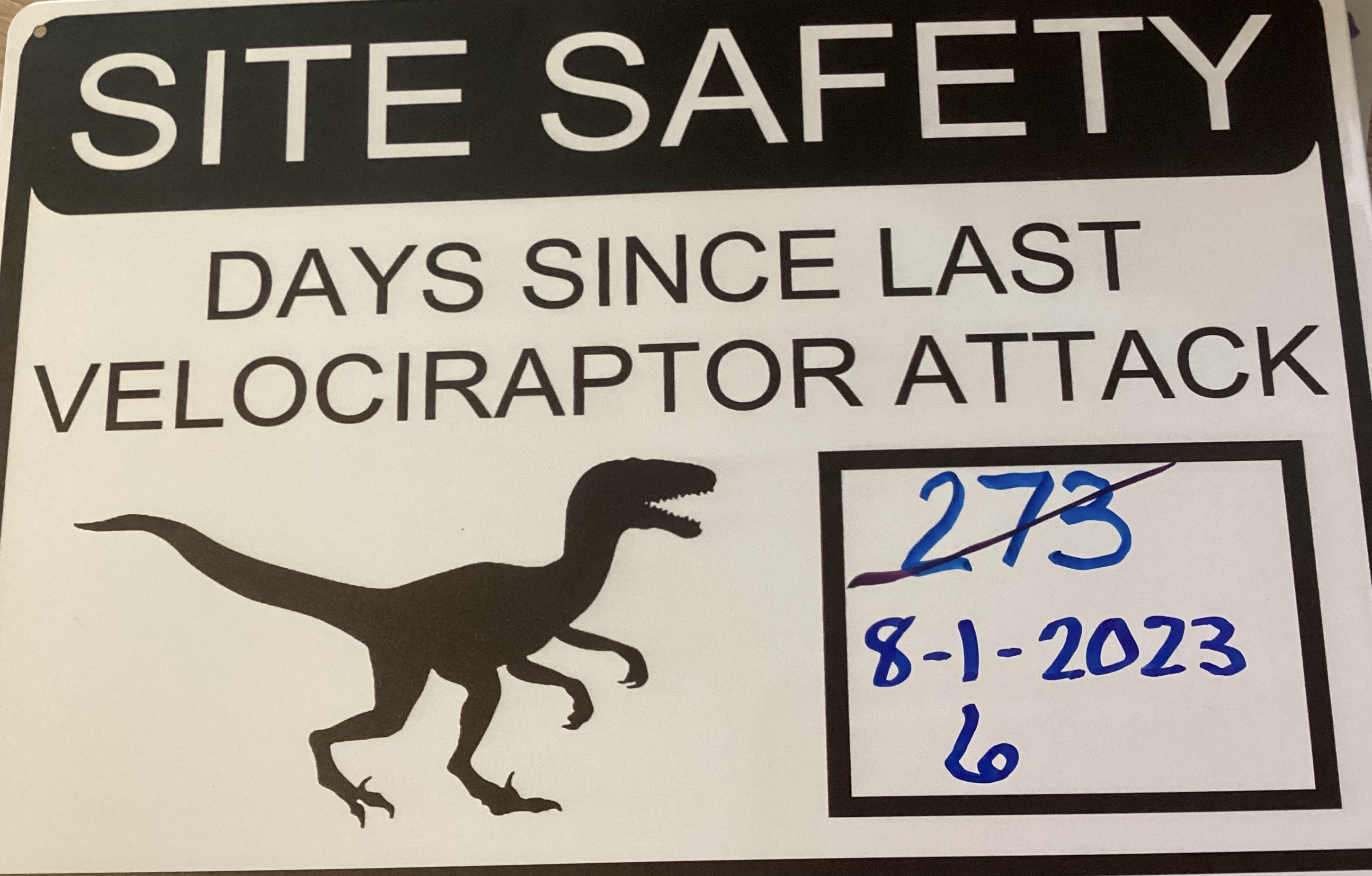
What if I suffer another concussion? (I was so aggravated at myself to have to update my sign a week ago):

What if I become legally blind?

What if I have to have my cochlear implant removed to get an MRI and accurate MS diagnosis?

What if I get ALS like my Mother?

What if… ?

I mean seriously it could go on and on! I’m grateful my interests and subsequent training and education meant I pursued psychology. Yes, yes, occasionally I grieve being rejected by Hogwarts, but psychology likely saved me! Seriously! I use snippets of cognitive behavioral therapy (CBT) every SINGLE DAY! I know that I’m prone to cathastrophizing my life. I know this bad habit is detrimental to my emotion self and mental health. It also takes a toll on my physical health.

When I find myself perseverating on negative “what if’s…?” I have to deliberately pause and choose to say the opposite.

What if I go another year without any new concussions? I’m taking great pains to walk safely, work around the house safely, etc. That last concussion may have been my last!

What if the meds I am taking save my eyesight?

What if the MRI (after surgical removal of my CI magnet) shows a definitive MS diagnosis? Then I can find proper treatment!

What if I live as long as my Mom did (78) and die from “old age” and not ALS?

In CBT, you have to start with your thinker. If you can change your thinker, it will aid in changing your feeler (heart) and in turn change your behavior (anxious thoughts, depression, self-harm, etc.) Change your THINKER to change your FEELER to change your BEHAVIOR.

So there isn’t anything wrong with “what if…?” thinking. Just make sure most of your “what if’s…?” are positive thoughts and affirmations. It’s hard enough being a person with disabilities and invisible or chronic illness. Don’t become your own worse enemy. Cue the music and summon your Mission: Impossible chi and see if this CBT tool can at the very least improve your mental health and personal regard.

L. Denise Portis, Ph.D.

© 2023 Personal Hearing Loss Journal
Brain Injury Awareness – A Survivor’s story 50 Years Later

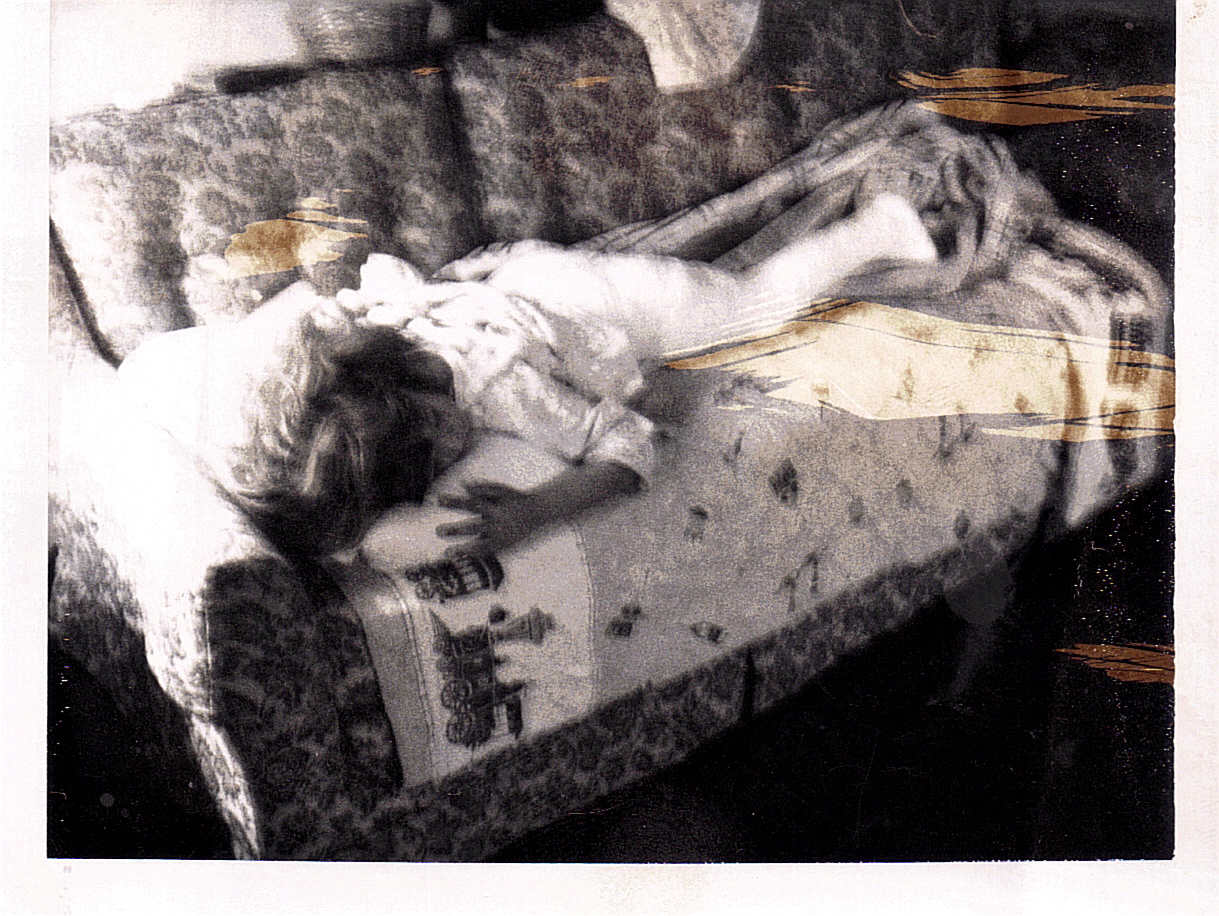
Wow! This photo is from 1972. I was in a body cast from the chest down and had to sleep a lot. Prior to the TBI, I slept on the top bunk in a room I shared with a sibling. There was no lifting me that high so I spent much of my recovery on the couch. Mom slept in a nearby recliner. Traumatic Brain Injury as a child meant that my saying “I don’t remember my early childhood” wasn’t at all unusual to declare. Even abled folks in their 50s say, “I can’t remember back that far”. My parents worked hard in my rehab and by third grade I was back in school. I would eventually become deaf and acquire a vestibular disorder, but I had a terrific childhood living on a farm in rural Colorado.

Fast forward 50 years. TBI, like many traumatic injuries, is “the gift that keeps on giving”. I don’t even mean that in a particularly snarky way, as my disabilities have opened up so many opportunities for me during me life. The downside, however, is that when the brain is injured in a significant way a survivor will always have repercussions. For me, it meant 11 concussions, broken fingers, hands, toes and numerous hospital visits. It has meant learning disabilities and cognitive challenges. It meant that it took me 16 years to finish all my degrees. It has meant a very real struggle to stay on top of serious depression and anxiety.

Having fought, struggled, and persevered, having cried, grieved, and given up SO MANY TIMES, on this side of having survived 50 years, I can say “My Life Matters“. For over 3 decades, I have used something “bad” for something very, very GOOD. I am an advocate, a teacher, a passionate voice for those who often have no voice. My TBI gifted me with my “calling”, and became the impetus to fight the fight for those with disabilities.

I am one of the lucky ones, however. Are you a parent? Research and gear up with all the knowledge that you can about how to keep your child’s head safe in play, team sports, and recreational activities. Treat concussions seriously, even mild ones. Don’t hesitate to enjoy life, but enjoy it safely. Enjoy it while protecting that wonderful brain of yours. You cannot put a cast on a brain and hope it heals straight. Preventative measures are all we can do.

Happy Brain Injury Awareness Month!

L. Denise Portis, Ph.D.

You can do ANYTHING!  Well… MOST THINGS!

I anticipate that what I write this week will upset some folks who live with disABILITY or chronic conditions. If you would, “hear me out” until the end of the post. If you still disagree, I can easily “agree to disagree” and even concede that the power of optimism is often the key to overcoming real obstacles.

My main point? Do not tell a person with disABILITY that: YOU CAN DO ANYTHING!

This standard platform statement is normally accompanied by volume and higher pitch, with a pom-pom smacked to the face of anyone not paying attention. Educators like myself sometimes misuse this encouraging statement. Administrators may assume the statement is standard for any mandatory attendance meeting, certain to help liberate the doubtful and unify the group, lighting them on fire with enthusiasm. 

Last semester I sat and cried with a student having to drop my class. Like me, she is a TBI survivor. Her dream job was to work in a big hospital and oversee support groups for individuals and families who are experiencing life with traumatic brain injury. She wants the “shingle”, the Ph.D., the training to really make a difference. I believe she will reach her goal. She will reach her goal after a longer road than most. There will be setbacks. There will be obstacles. I shared with her that it took me 16 years and a lot of outright stubbornness to finish school. Accommodations made the attempt more equitable but honestly, I shared, “it took not giving up and recognizing my pathway to goal was a longer one”. 

I have had short-term mentors tell me YOU CAN DO ANYTHING! (My long-term mentors had a more realistic approach). However, pom-poms, enthusiasm, and genuine hopefulness will never:

… allow me to hear normally.

… walk without a limp.

… have vertigo-free days.

… help me be as sharp at the end of the day as I am at the first.

… keep me from needing more sleep than others.

… prevent me from ever falling again.

… alleviate my communication challenges.

… prevent me from feeling isolated and left out occasionally.

… stop the loss of vision in my right eye brought about by 11 concussions.

… interrupt every single panic attack.

… defeat persistent depressive disorder.

… keep me from missing my Mom, the primary REALIST in my life.

Frankly, there are some things I CANNOT do. Any successes or “wins” are the result of stubborn persistence. Any recognitions or awards are from finding a different way to accomplish the same tasks. Many “end results” were not something originally targeted. There are things I CANNOT do and tasks I will NEVER be able to do. Instead, I have learned to set my sights on something obtainable. I have learned to align my goals with things that are possible. I have even learned to dream and “pin my hopes on” goals that are doable for even one such as I. In the end, most of us aspire to make a difference. If you find yourself looking around at the place your training, hard work, and experience have landed you thinking, “Well gee. This was a major detour but gosh darn it! I’m happy and I’m making a difference!” 

Perhaps the big DIFFERENCE we make was something outside our imagination originally. Reality redirected our purpose with an unexpected detour. Yet here you are, thriving…influencing… and KILLIN’ IT! Having a sense of real purpose looks good on EVERYONE. 

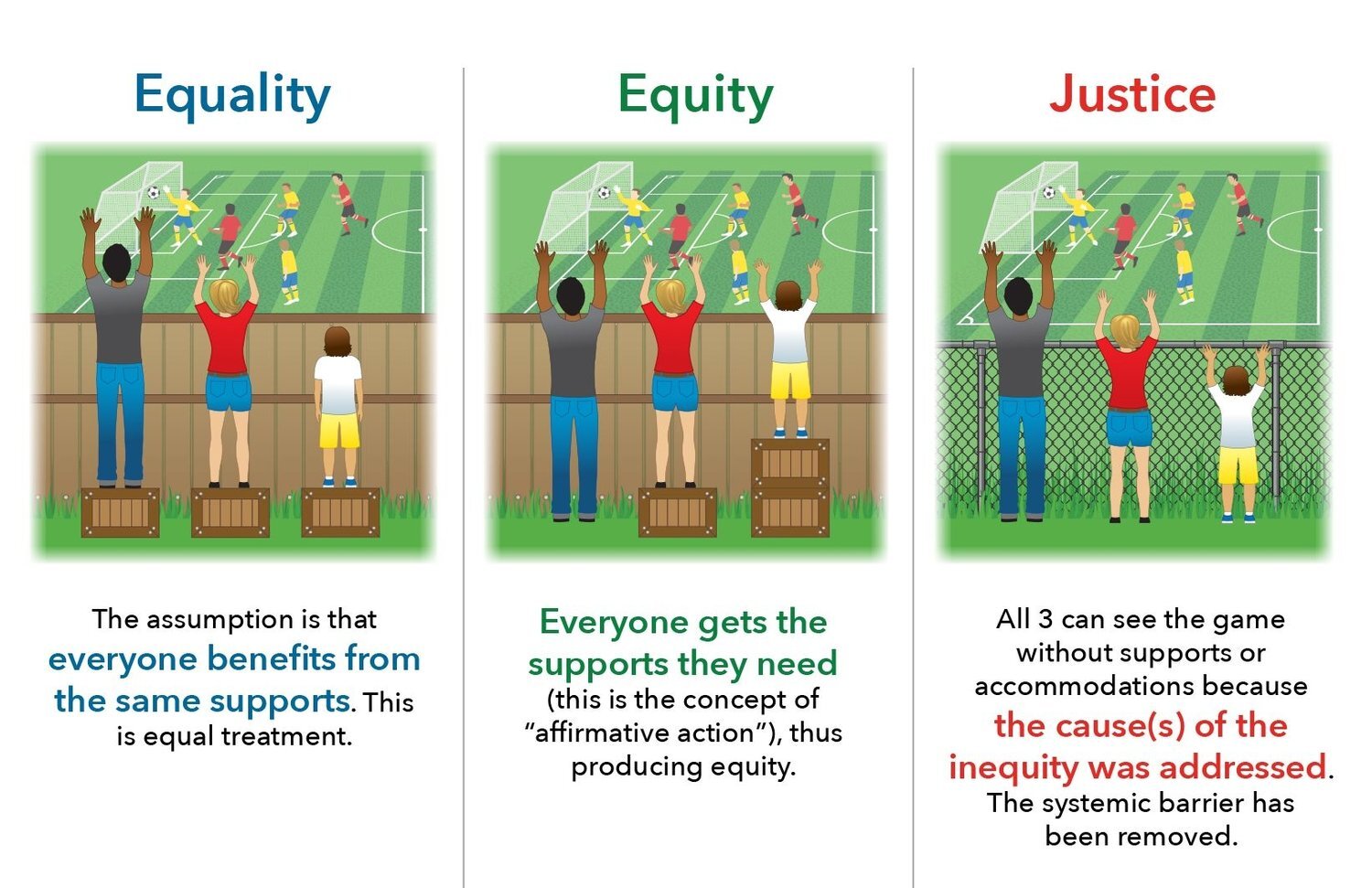
I have talked with students and colleagues hesitant to ask for some extra time or an equitable accommodation because they fear being judged that their performance is only possible through props others do not need. Y’all? There is a heck of a lot of difference between equitable accommodations and “hand holding”. This photo says it all:

I received an email from a follower of Hearing Elmo around Christmas. They are on disability, with limited transportation and even more limited opportunities. They shared that at times they are discouraged because they feel limited in what they can do. But folks? The opportunities this reader has are golden, the lives they touch are valuable. They consider their purpose and mission to advocate, educate, and touch just one life at a time. They support and encourage LGBTQ+ young adults with disability and act as a sounding board, a shoulder to cry on, and are a stout champion to a truly marginalized group. 

Are you an abled administrator, director, co-worker, or friend? I encourage you to use realistic encouragement and language as you lovingly support the folks in your life who have special challenges to overcome. Having YOU helps them overcome. Be careful not to balk at a seemingly unrealistic goal. If people with disability are anything y’all, they are realists! If you are blessed with an invitation to chart a path alongside someone who is determined, then LISTEN, research, encourage, and advocate on their behalf. 

A well-meaning friend and I had our behinds parked on a bench on campus catching up with each other. Some geese flew overhead, flying in a perfect “V” and heading South for the winter. My friend said, “Wow, what a racket!”

I grinned at her and said, “Well I don’t hear anything!”

Abashed, she said, “Well at least you can see them, right?”

I said, “Sure! And I do LISTEN with my EYES sometimes!”

However, unless a big ol’ goose comes waddling up to my side and honks right in the direction of my cochlear implant, I’m not gonna hear it’s unique sound y’all. This doesn’t mean that I do not have a purpose since I cannot hear a goose honk from high above while flying in formation. My disAbilities make me uniquely qualified and effective to make a difference in the lives of those in Denise Portis’ sphere of influence. Y’all have a sphere too. Manage it. Own it. Thrive. Because all of us are pretty…

FABULOUS.

L. Denise Portis, Ph.D.

2023 Hearing Loss Journal

When Overcoming Makes You Really Tired

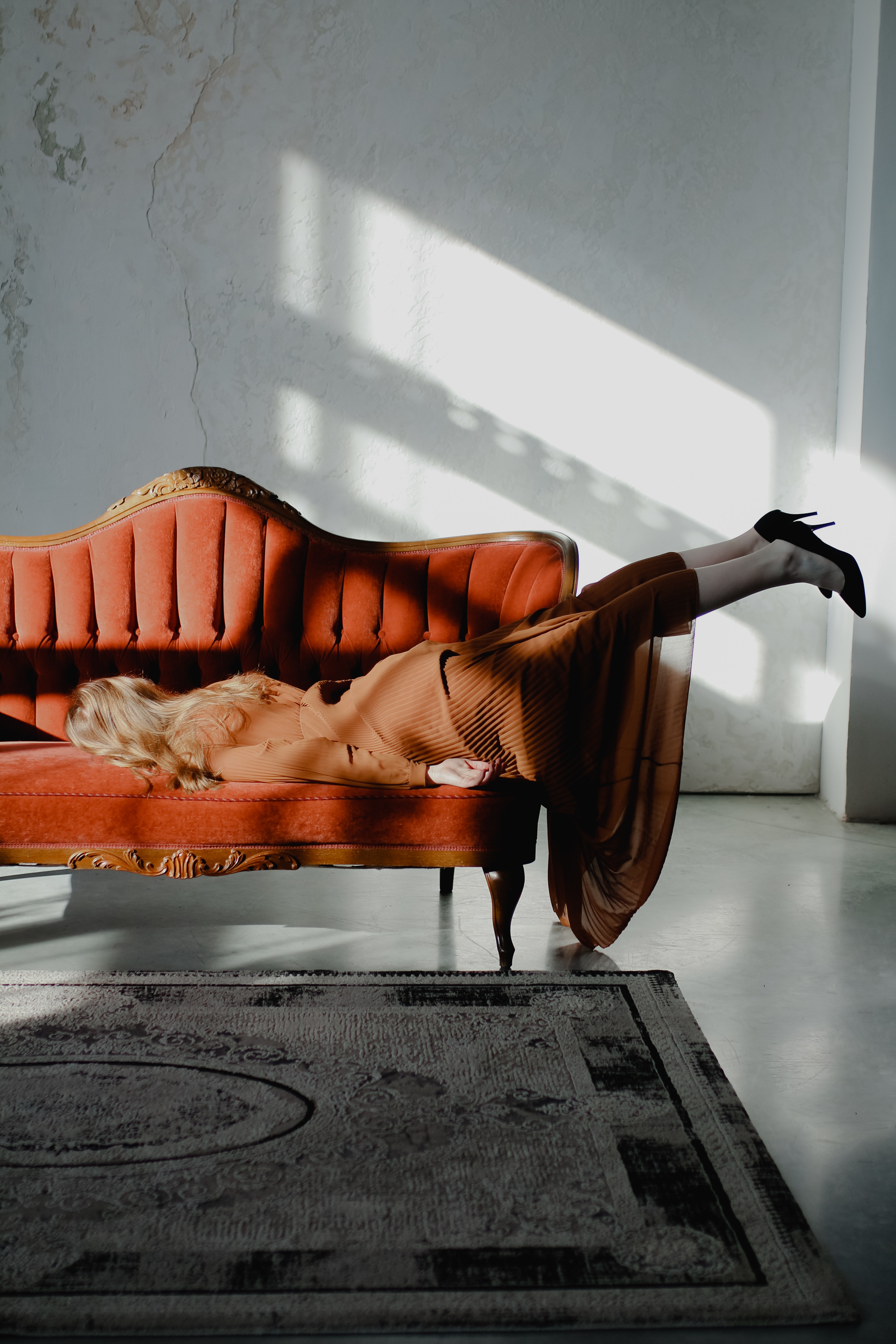
Photo by Alina Levkovich 

There’s nothing easy about finding your way through a world loaded with obstacles that others can’t or don’t see. When you are different, you can feel as if you’re operating with a different map, a different set of navigational challenges, than those around you. Sometimes, you feel like you have no map at all. Your differentness will often precede you into a room; people see it before they see you. Which leaves you with the task of overcoming. And overcoming is, almost by definition, draining. — Michelle Obama (Obama, 2022, p. 7).

I have said this time and again at Hearing Elmo. People with disability, challenges, and invisible or visible issues are the strongest people I know. It’s as if working hard to carry on and adapt, cope, and do your hardest to thrive, develops physical, mental, and spiritual muscles. The comparison to muscles stops there, however. Yes, our “differentness” can make us stronger, but it rarely produces true strength, muscles that are bulked up and fit. We may be strong but we are also very tired. We may often FEEL weak.

“Individuals with disabilities are at a greater risk of experiencing fatigue than the general population, and this risk increases with age” (University of Washington, 2013, para. 1). I am in my 50s now and can certainly attest to finding myself fatigued earlier in the day because of my disabilities. Even though I have a service dog to help me with gait, balance, and directed retrieves, even though I have a cane and hear with a cochlear implant, hearing and walking are physically and mentally draining. It sucks we don’t burn calories navigating life with a disability! I even make it a top priority to take naps when I can, eat healthy foods, exercise 3-4 times a week, go to bed at a decent hour and even practice mindfulness to the point it is seamlessly woven into the fabric of my life now.

Many are confused about what mindfulness really is. I think they picture someone in a yoga pose with a very zen expression. Mindfulness is actually a very active and participatory state of being. In other words, taking a long nap is not mindfulness. Unless your subconscious mind produces better results than mine does, you cannot be asleep and practice mindfulness. “To live mindfully is to live in the moment and reawaken oneself to the present, rather than dwelling on the past or anticipating the future. To be mindful is to observe and label thoughts, feelings, sensations in the body in an objective manner. Mindfulness can therefore be a tool to avoid self-criticism and judgment while identifying and managing difficult emotions” (Psychology Today, n.d.).

This “practicing mindfulness” is especially helpful after a “terrible, horrible, no good, very bad day” (Viorst, 1987). When my disabilities or rather, working, living, and loving others with my numerous disabilities KICKS MY BUTT, mindfulness helps me keep it in perspective and center myself in the present rather than focusing on my “terrible, horrible, no good, very bad day”. Something I actually tell myself after these kind of days? TODAY HAD SOME HICCOUGHS BUT TOMORROW WILL BE BETTER. I WILL TAKE CARE THAT I TAKE CARE TO AVOID BEING IN THIS SAME PLACE TOMORROW.

We can, and have, and will continue to overcome. We will also be tired, perhaps even always tired. This journey is worth it, my friend. Even if our journey includes constantly coping, adapting and persevering. It’s worth it. And by being worth it, we are a living, breathing, testimony that people with disabilities believe life is worthwhile; that WE are worthwhile.

L. Denise Portis, Ph.D.

2022 Personal Hearing Loss Journal

Obama, M. (2022). The light we carry. (1st edition). Crown Publishing.

Psychology Today (n.d.). Mindfulness. https://www.psychologytoday.com/us/basics/mindfulness

University of Washington (2013). How to do a Lot with a Little: Managing Your Energy [Factsheet]. Aging and Physical Disability Rehabilitation Research and Training Center. http://agerrtc.washington.edu/

Viorst, J. (1987). Alexander and the terrible, horrible, no good, very bad day. Simon & Schuster.

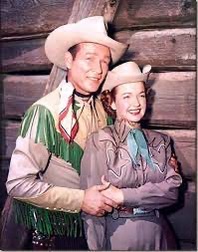
Happy Trails to You

Dale Evans and Roy Rogers

After someone you love dies, you may discover some things about the person that you didn’t know. My Mom loved to sing. Because her generation (the “Silent Generation” 1928-1945) was different than mine (“Generation X” 1965-1980), the songs she would sing at breakfast (a normal occurrence) and in the evening were oldies. Breakfast was usually “Mockingbird Hill” (When the sun in the morning, peeks over the hill…).

When Mom was diagnosed in July of 2021, my siblings and I began to hear from her former students on FaceBook. As the ALS progressed and began to take away basic functions, we would read to her what her former students were saying. It was all good and brought many smiles and happy tears. While she could still talk, she would relay some story about the student that posted and it was as if she took us by the hand and walked us back to her teaching days. Mom was defined by what she did, a teacher. It was her real joy and privilege to teach for over thirty years.

One recurring theme from former students was that she would sing the first few stanzas of “Happy Trails” as they left class at the bell. Though knowing this song was a favored one, we were still shocked to learn she sang in public too!

I have been teaching now for 28 years. I have taught middle school, high school, and college-aged students. Having heard from so many of Mom’s former students since her diagnosis and subsequent death, it got me to ponderin’ — “what would my students have to say about me?” “Would they even remember me?” (Mom had been retired for 16 years at her passing).

Yesterday was the first in-person convocation we have had at Anne Arundel Community College since 2019. A recurring theme of the various administrators was to remember that the smallest things could make a difference. Even a taped message from the incoming SGA (Student Government Association) president reminded us that the “small things matter”.

I am a big believer in the difference “small things” make. For you see? It has been small things each and every day that have encouraged me to continue hiking that trail. My trail is not always happy, but it is a scenic and worthwhile hike.

People with disAbilities often express their concern that they do not matter anymore. Or perhaps they feel that with their disability, they can no longer make a difference. Many of you already know these things about me, but let me summarize some of my own challenges:

  1. Late-deafened (25 years on)
  2. Post Concussive syndrome (TBI as a kiddo and 11 concussions since)
  3. Meniere’s disease
  4. Vestibular disorder
  5. Mental health diagnoses (Panic Disorder and PDD)
  6. 65% blind in my right eye (concussions)

If I had a dollar for every time I considered giving up, I could retire now! I’m no super hero. I’m not anything special. What I am is persistent and determined. Stubbornly resolved to connect at least one time each day with someone who needs encouraged, loved, high-5’d, heard, or acknowledged. Notice that none of these things require being an abled person! I know that many of my readers are people with disability or chronic illness. MANY have expressed to me the dismay they feel in being disabled, by NOT being able to make a difference. Their physical or mental health diagnoses have meant they have learned coping skills or learned a new way to do things. However, many still FEEL disabled because they feel as if these diagnoses take away opportunities for them to MATTER.

My friends? Please do not ever discount the difference it makes for you to be kind to the cashier at the grocery store. Smiling and saying a kind thing or two to the delivery person may completely turn their day around. Being kind and friendly to that young wait staff person can make a day that is crushing them seem not so burdensome. Send an encouraging email or message to someone you know is struggling. It can be life-changing for them. Make a phone call to someone you know who feels isolated. Take advantage of the way social media platforms “level the playing field” for those with disabilities through CONNECTING them with others. One small comment can make a difference.

I know this for a fact! I know because the

Deborah’s, Wendy’s, Kellie’s, Lisa’s, Candice’s, Sara’s, Stephanie’s, Kyersten’s, Felicia’s, Kimberly’s, and SO MANY more have taken 15 seconds to type me a message that encouraged me and rekindled my desire to keep on keepin’ on. I’m not saying it is EASY. For some, it may mean real “spoons” are used up (The Spoon Theory).

ALS is a horrible, terminal disease. My Mom suffered and died a terrible death. I’m still dealing with the fall out and likely will for the remainder of my own life. But do you know at the end, Mom could only roll her eyes, grin, and wink, but she did that as her hovering children did their best to love and care for her? She could speak some, but it was a real chore to understand, even with picture, word, and alphabet cards to assist while she could still point. Yes. There were days with tears and “why God?” conversations. Yet while DYING she continued to make a difference. These past 12 months cemented an already steadfast “heart beat” for me. NO MATTER WHAT, I can make a difference to someone. In my work as a suicide prevention and awareness advocate, one of my favorite sayings is “Your voice is your power”. Use it.

Choose to sing “Happy Trails” to someone upon departure. Choose to smile and say, “I truly hope you have a great day!” Sign to someone “happiness is a choice”. Send that email to a struggling soul, “I’m thinking of you today”. You have a purpose. It doesn’t matter how many disabilities or challenges you have. You still have the power to make a difference. This is your super power. Use it. It matters. Happy trails to you…

L. Denise Portis, Ph.D.

  1. Deb Marcus Tilevitz's avatar
  2. hearingelmo's avatar
  3. Janet McGettrick's avatar

    I love this article. You mentioned that you’re a former teacher. Have you retired?

  4. hearingelmo's avatar
  5. Laurie's avatar

    Did you know that the word ASSUME means an “ASS out of U (you) and ME? I really appreciate this…

L. Denise Portis, Ph.D.

2

Support

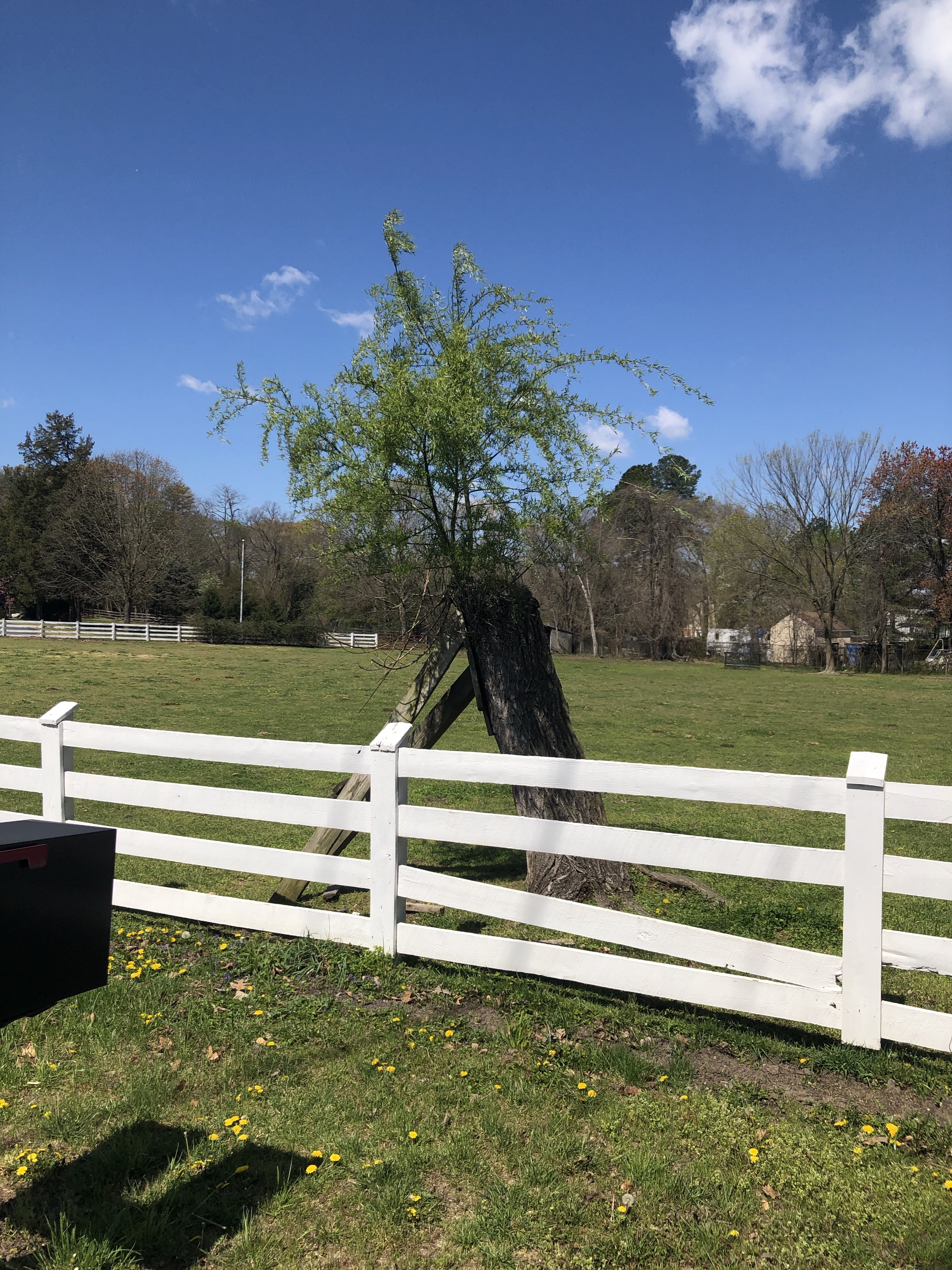
I first saw this Willow tree in “all its glory” when we first moved here in 2015

I really love living in Anne Arundel County. When we first moved to our “forever home” in 2015 (worthy of this auspicious title because we finally found an affordable and accessible home), this Willow tree was huge! Located on a nearby farm that I drove by every single day, this tree shaded a large area of pasture that 10-15 cows called home. You can tell by the size of the original trunk how massive this tree was in its prime.

I do not know if my admiration and affection stemmed from the fact the tree was simply beautiful, or that it bordered this idyllic version of a small farm reminding me of my childhood. Regardless, I became really attached to this tree. I passed it on the way to work and on the way home from work. It was hard not to get distracted by which cow or calf was scratching its bovine butt or shoulder on the trunk of this tree as I drove by each day.

One day I noticed that the owners had added some wooden supports on one side. I had noticed the tree had a slight “lean” to it all along and was curious about the farmer’s attempt to provide assistance against the “lean”. After twenty minutes of “googling” Weeping Willow trees, I discovered that their shallow root system can mean a tree can be at risk in high wind areas or areas with high water tables. I was actually surprised the farmer chose to do this as the effort provided support, but certainly was not aesthetically pleasing. It was the only provisional shade in the pasture, so perhaps the owners sought to prevent a problem before it happened. In this way, the farmer insured necessary relief from the heat of the day for the small herd.

Wouldn’t ya know, last Fall “something” happened to this tree. I didn’t see it happen so could only guess as the trunk was split and the vast majority of the tree lay in pieces on the ground. It made me very sad. Don’t ask me why, but I was a little weepy about the broken Weeping Willow! Over the next week I noticed branches being cut and hauled away. I was surprised to see the core trunk of this once stately giant with graceful crown of “weeping” branches still intact. In fact, it continued to be supported.

I like to think this survivor tree held some kind of sentimental value to the farmers. Perhaps it was a more pragmatic reason such as Willows grow quickly and it provided necessary shade to protect the cattle on a day with unforgiving heat and humidity. Still, I prefer thinking it was for heartfelt reasons they chose to do what they could for this “little engine that could” tree.

I watched all winter. Each day I drove by and thought this tree is DEAD and DONE. Much to my surprise, this Spring the tree began to grow again. It looks a little awkward and perhaps even unsightly with the obvious man-made supports in place. Yet it sprouted new branches with blooms and then leaves. I have a feeling this tree is going to surprise us all.

Anne Arundel Community College, like other schools nationwide, was forced to move all instructions online this Spring. Is it because I’m late-deafened that I really prefer interacting with my students face-to-face? Maybe. I know plenty of instructors with normal hearing that were dismayed by the daunting task of providing an engaging learning environment.

Many teachers provide a little blurb in their syllabus and perhaps a “3 minute mention” about accessible options, assistance and supports, and disAbility services. I realize it is likely because my heart beats within the chest of someone who lives with disAbilities and chronic conditions, but to me the issue should not be mentioned once and then never again. For one thing, there are numerous conditions that do not classify as a disability yet students still benefit from support. There are mental health diagnosis and physical chronic conditions that may make it difficult for a student to be “all in” during classes.

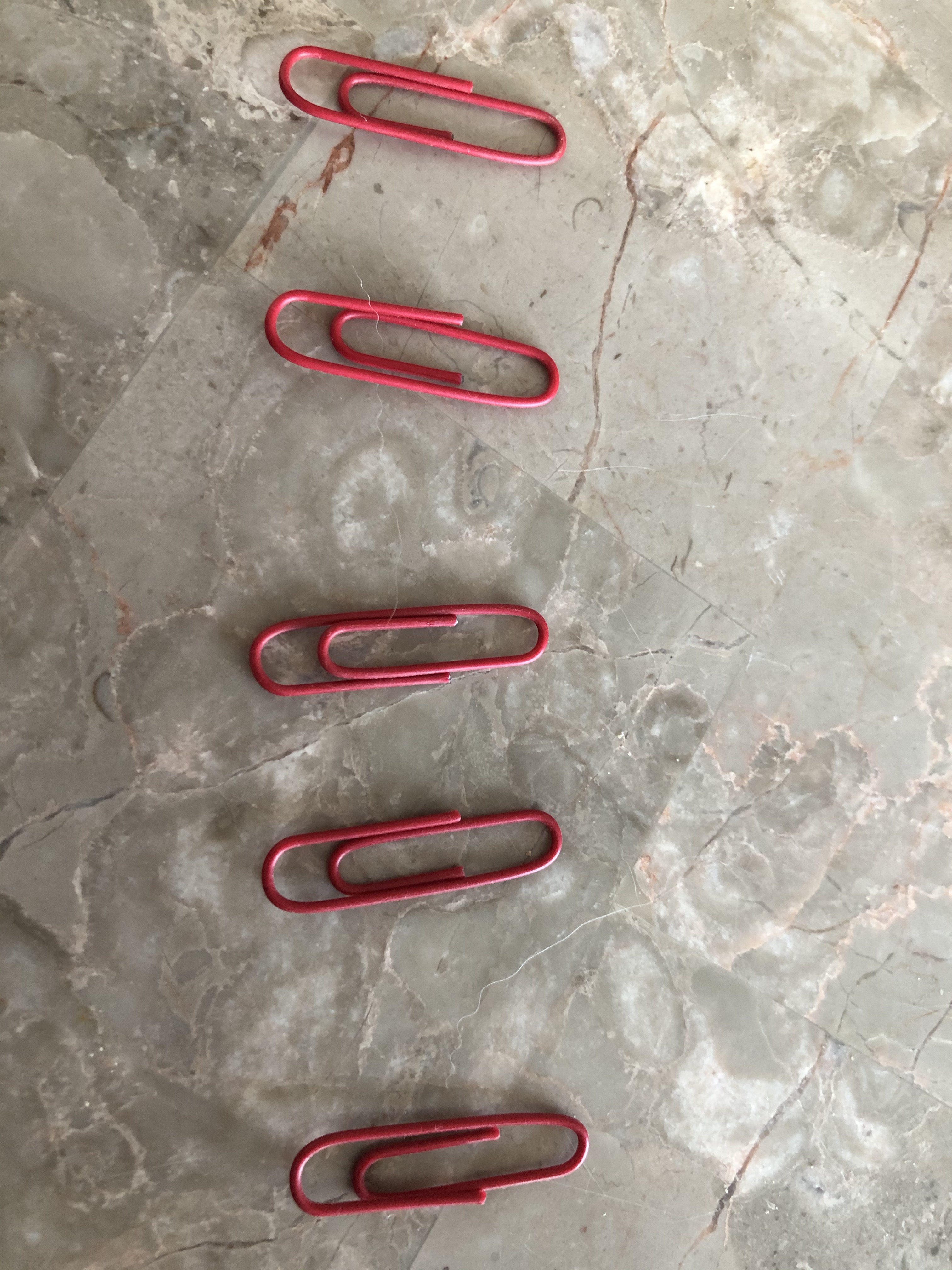
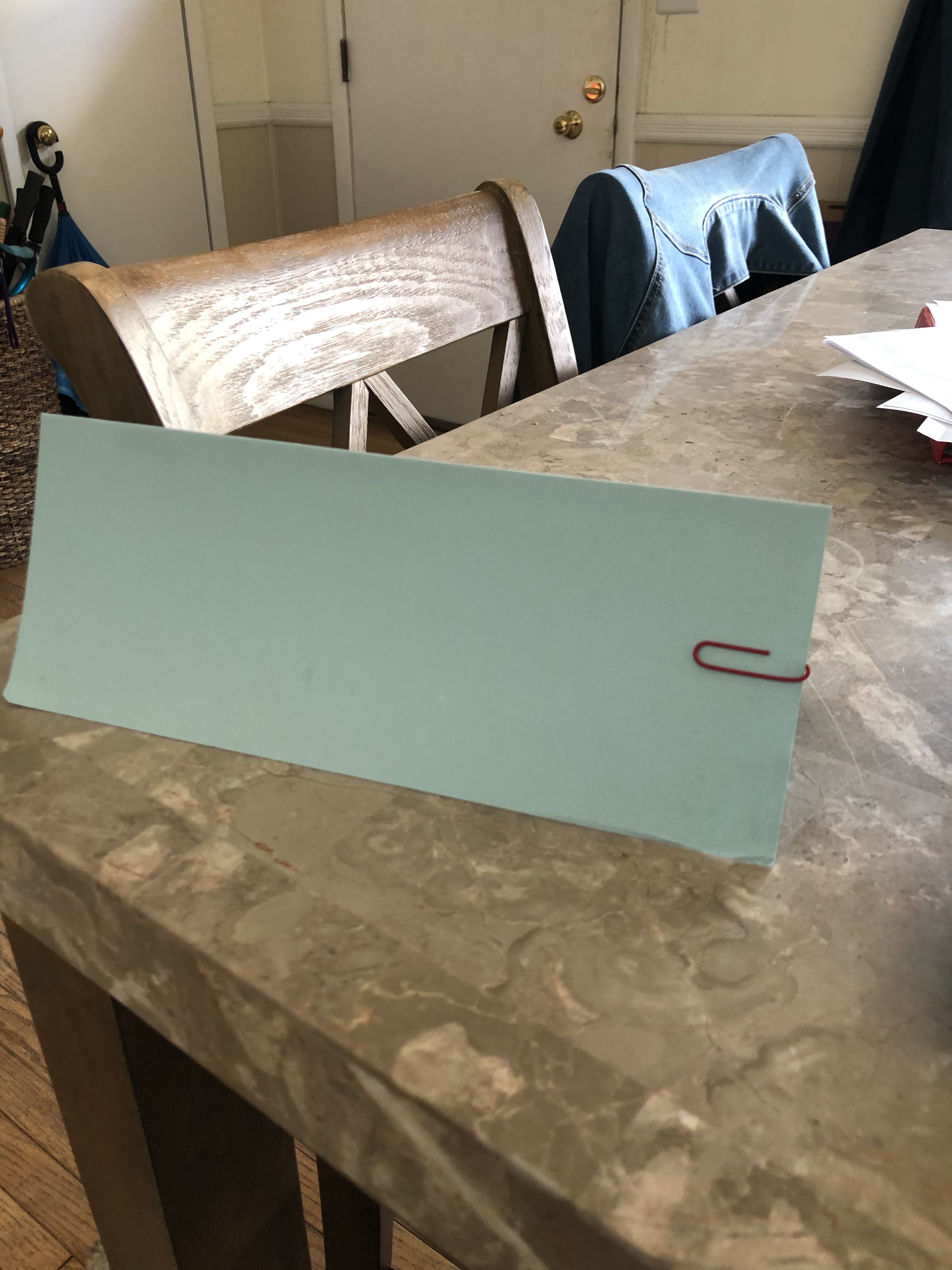
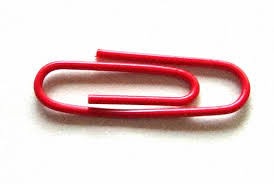
This is why I talk about it… WEEKLY. I remind students to come to me if they need support. Perhaps they need a face-to-face meet in my office. After quarantine, it may mean they needed a Zoom call so that they could talk. Prior to the social isolation restrictions in place, I used the ‘RED PAPERCLIP‘ system. My students have nameplates that they toss in a folder at the end of class. If the red paper clip on the back of their name plate was moved to the top, I contacted them via email and we set up a “text meet”, office hours conference, or FaceTime call.

After Spring break turned into a 3-week long, panic-filled transition period for instructors, I thought long and hard about what to do in place of my “RED PAPERCLIP‘ system so that students could still let me know they needed my support for something. These “somethings” included things like:

  1. A 2-3 day extension on a due date
  2. A pep-talk
  3. A listening ear
  4. Further information about the details of a project if the written instructions alone were not enough
  5. Resources and/or connections to virtual mental health practitioners (I’m a teaching psychologist and not a counseling psychologist).
  6. Resources for food, shelter, etc.
  7. Advice and discussion about transfer decisions
  8. Extra credit opportunities
  9. AND MUCH MORE

So what to do if I didn’t have nameplates turned in after class and a visual check of red paperclips? Mid-semester I could only come up with staying in close contact (every couple of days) via email, reminding them of my availability and desire to assist. Do you know during the last 8 weeks of the semester, I received a half dozen texts from students who only sent a picture of a red paperclip? I received OVER a dozen emails from students with “red paperclip” in the subject line of their email. It made me smile. Well… it was a weepy smile, but a smile nonetheless.

For whatever reason, the farmer down the road from me, decided to support this willow tree. Will it ever be self-supporting again? I can’t answer that. Yet with support, this weeping willow provides something needed and necessary to a small herd of cattle. It is growing back quickly. Who knows what it will look like next year? Perhaps it provides some sentimental value to the owner as well. What I can tell you is that without the man-made supports in place, this tree wouldn’t have had a chance at a comeback.

My students know that I get “having a bad day”. I don’t allow them to abuse it but they know they can email me for some additional supports or “course grace”. I am also very transparent about my own good days, bad days, and having to push through ON a bad day. You see? I want to model good self-care. I also want to model the strength required to ask for assistance. Heck, I am “fiercely independent” using cochlear implant, captioning apps, service dog, and cane. However, I have learned there is no shame in asking for assistance. In fact, there is strength in asking for assistance and support.

Do you have people in your life right now who need support? If you don’t, you aren’t looking. We all need some support at different times in our lives. It may be a small “help”, but it can mean the world to someone at a time in their life when they just “need a little something”. I also encourage you to learn to ask for support. I assume many of you who are long-time readers of “Hearing Elmo” have disabilities or chronic conditions. Having extra challenges doesn’t mean you aren’t capable of helping others. It also means that you may need a little support from time to time. Learning to ask in a cheerful, matter-of-fact way goes a long way in positive advocacy. I have learned that many friends, colleagues and even total strangers do not know HOW I need support unless I inform them. It may sound like:

“Excuse me, could you pick up that credit card that I dropped? My service dog has trouble with that unless it is on carpet”.

“The automatic door button doesn’t seem to be working. Could you open and hold the door for me?”

“My fingers are particularly numb today. Do you mind picking up the papers at the end of each row?”

“The elevator in this building is not working today. Can you walk a few steps in front of me as I descend?” (Finn, my service dog, does all the work. However, I need a visual peripheral block to keep from feeling wobbly).

“Can you talk into my phone so my app can caption your voice? There is so much background noise in here I cannot hear you”

“Do you mind carrying my tray from the register to a table? With leash and rolling bag in hand, I cannot manage carrying that safely”.

I have never NOT had someone willing to help.

So keep an eye out for leaning willow trees. Pay attention to any “red paperclips” on the face of or in the body language of someone you meet. In small (and sometimes large) ways, we can make a difference.

L. Denise Portis, Ph.D.

©2020 Personal Hearing Loss Journal 


Sorry? Wait a minute! No I’m NOT!

Words matter. As I have aged (and hopefully matured) the discovery of what we say and how we say it has evolved as I have learned to communicate with focused intent.

As a person with hearing loss, a typical response for me after you first say something ranges from:

Sorry? (or I’m sorry)

Pardon?

HUH?

My mama raised me to be polite I suppose. However, I have lived with acquired disability nearly twice as long as I did with “normal” hearing and “normal” balance. Even people with a normal range of hearing for their age may respond with an “I’m sorry? What was that?” if they miss something in an overly noisy room. Because I am more likely to miss what was said or miss the context and fully understand what was said, I am more likely to use these phrases.

After some length of time living with these ingrained habitual responses, I realized how it was actually making me FEEL. I’m all about good manners. I noticed that I was having to say, “I’m sorry?” so much that I was a really, REALLY sorry individual. I also realized that I had nothing to apologize for when I said it. More importantly, it served no purpose. Heck, I give workshops on how to convey to someone you didn’t hear what they were saying.

It is best to educate and advocate. Don’t complain or apologize. I am best served by responding in one of the following ways:

“I did not hear most of that because of the background noise in here. Would you repeat that please?” (Maybe even suggest a quieter location)

“I heard you say, “ya-da yada”, but missed the last part”. (Obviously we can fill in the yada with what you actually heard).

Beware of your volume. Be careful not to “guess”. After all, you are trying to educate folks that pieces of their sentence was lost but not EVERYTHING they said was.

My husband once said to me in a crowded room, “I will see you later. Plan on dinner at six?”

I heard, “… see… later. Dinner and sex?”

YES PLEASE.

When you become more proactive about what you heard and did not hear, you can also suggest synonyms. When my kids were in elementary school, they would joke that they knew more synonyms than anyone else. Having been to all of those hearing loss conferences (thanks HLAA) they learned that if your loved one was having trouble understanding all you said, throw out some different key words. It may end up being a consonant blend they have no trouble hearing at all!

“Grandma called this morning and asked you to call back when you can”.

“What?”

“I spoke to Grandma this morning. Be sure to call her back tonight!”

I hope you do not misunderstand the purpose of this post. There is nothing wrong with being polite. There is everything right about letting someone know you did not hear them.

– – – – – – – – –

Let me quickly chase a rabbit here and insert that faking that you can hear is much different than faking you are listening. The latter may result in hurt feelings or a punch in the arm. To fake that you heard someone has heftier consequences. 

– – – – – – – – – –

What matters is letting them know you did not hear them in the right way. Our age-old habits of apologizing do not fix the problem. You are more likely to encounter people who are tired of repeating something, or start to do so LOUDLY. This only distorts the words making it even harder to understand.

By suggesting a quieter place to go, explaining you may do better with a different choice of words that can be understood in context better, or repeating the part you DID hear so that they don’t have to repeat everything can go a long way to better communication.

Depending on the environment, some other great options to take the place of constantly apologizing are:

  1. If in the car, suggest turning the radio and/or music off so that your ears do not have to compete with their voice.
  2. Ask to step into a building so the acoustics assist you in catching more of what they said to you. Outside, voices can D   r…      i  f…    t…   a way…
  3. If you know them well enough, ask them to ditch the gum 🙂
  4. Make sure by word and deed that the problem is not something you should apologize for as no one did anything wrong. They didn’t either – so work on making sure they do not think you are criticizing them.
  5. Do not let others say, I will tell you later. They won’t. If you hear this, let them know you will be following up by email to discover what they said because it is important to you.
  6. If you see a conversation going sideways and frustration is evident on the face on the person you are speaking to, ask for an email. Explain you simply cannot hear them in this environment and that you ask they follow-up with a text or an email. Assure them you want to respond as needed.

L. Denise Portis, Ph.D.

©2020 Personal Hearing Loss Journal

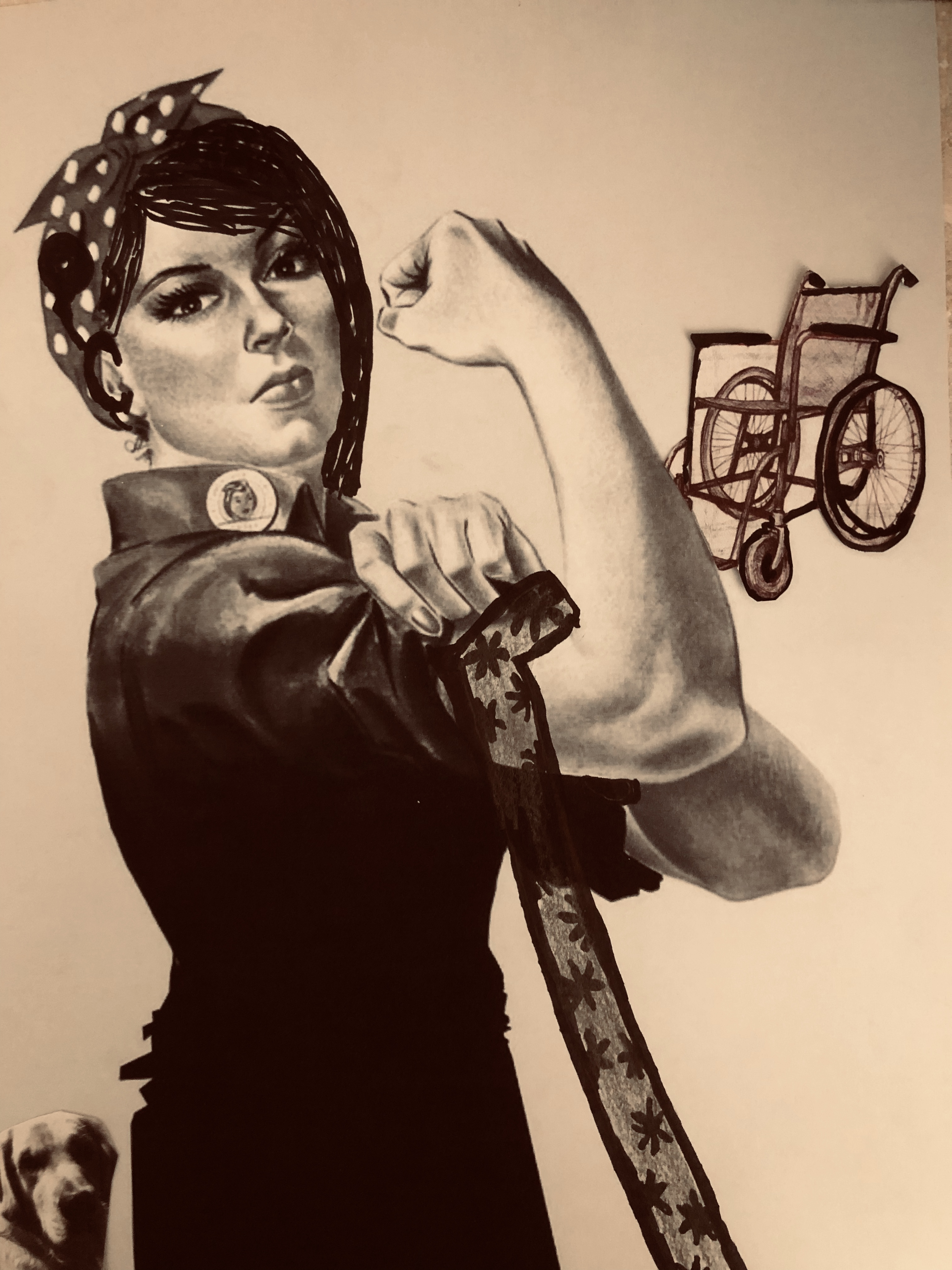
Darn it, I am STRONG


I’m no Super Hero, but I am strong!

You have “stuff”. I have “stuff”. Y’all? We all HAVE “STUFF”.

I am — who I am — because of “my stuff”. Your own “stuff” may not define you but it certainly shaped the person you are. It is a wee bit aggravating, however, when someone says “You are such a Super Hero or an inspiration” because of who I am as a person with disABILITY. It’s not that I don’t want to inspire someone. I hope my adult children and grandchildren think I am worthy of imitation and example. I also want to instill in them (and others) their special value because of who they are all because they are here,

on earth,

within our community,

making a difference where they can.

This Doesn’t Mean…

I am not grateful for all God has allowed in my life to make me the woman I am. I want to encourage. I want to be a good example to others. I want to make a difference. This does indeed mean that I am grateful for my disABILITIES. My hearing loss has taught me about communication and about visual cues about the soul of a person. My balance disorder has taught me to take special care, that every step and turn should not be done impulsively. My cane has taught me to lean on something sturdy to provide a 3-point foundation. My service dog has taught me to pay attention and to have confidence in something with far keener senses than I have. I am grateful for my disABILITIES. Yet, I want to inspire, encourage, and don super hero capes because I am a strong woman.

Your stuff may not be disABILITY. Maybe you are a member of a diversity group and the challenges that has presented has strengthened once weak character muscles. Advocacy and inclusion awareness activities have broadened your scope and influence. You are strong because of it.

Maybe that you are a single parent, a survivor of a serious illness, domestic violence, recovered addict, or live with other invisible or chronic illnesses, have made you the strong person you are.

I’m currently staying with my mother who is recovering from a 2nd hip replacement. A North Carolina sister-friend contacted me and we were to have lunch today to catch up. It’s raining, like… a LOT. This means my balance is wobbly, my tinnitus is roaring, and I’m feeling particularly shaky. My friend texted me early (knowing the state I am likely in right now) and suggested a (quite literal) raincheck for lunch.

Does this mean that I’m weak… today? No. I may have to make smart decisions to keep myself safe and avoid likely falls and concussions, but this does not make me weak. I am still strong. It simply means that today my strength is manifest in my practice of good self-care. I can wobble and be strong by making smart decisions to take care of myself.

Challenges not Limitations

Each of you have something that makes life a challenge. Whether it is something physical, spiritual, emotional, or cognitive, we all have challenges. I don’t like the word “limitations”. I prefer to think I am not limited in any way. Instead, I have challenges that exercise my muscles to make me strong. It might mean different choices. Perhaps it means a “raincheck”. I may have to ask for assistance from my service dog or even a person. I am not limited. I simply have challenges. These challenges make me strong.

This post began with exposing something everyone already knows. We all “have stuff”. Your own “stuff” presents challenges, but those challenges make you strong.

This doesn’t mean that you may occasionally feel overwhelmed. It doesn’t mean that there is anything wrong with the fact that at times, you just want to give up. That’s where the rest of us come into the picture. We need each other. We need to support each other. We need to celebrate with each other. If you haven’t seen the now viral video of Miss Nigeria going bananas with genuine glee at the “win” of her friend Miss Jamaica, you have missed out. You can view it here.

I want to be the kind of support and help to YOU, that I don’t hesitate to respond with questions from people who follow my blog or who know about my work in the disABILITY community. I want to celebrate every win you have. I also want to assist when you do not win, and I want to stand in the gap for you when you simply need someone to care. Blogs, vlogs, online support groups, and social media platforms have become a valued network and access to “Miss Nigerias”.

Hey… I totally get feeling all alone on my own little island, crippled by my MIND about my own disABILITIES. It happens. We buckle, hole up, and lick our wounds. Friend, please don’t stay there. Look for the resources and help easily found in a vast array of fully accessible environments. Indeed, we all have “stuff”. We also need each other.

L. Denise Portis

©2019 Personal Hearing Loss Journal