I’m fine. Really.

Im_Fine_Really-300x213

“Never underestimate the lingering effects of a dash of spontaneous comfort.” (Greenlee, 2008)

Ugh! I hate it when I see unfinished posts and reminders to post to my blog. Writing always helps me. ALWAYS. Yet, sometimes I let “stuff” get in the way of coming here to write, sharing my heart and mind with any who will “listen”.

I’m weary. I’m so weary, in fact, I’ve forgotten to turn my filter to the “ON” position and when answering that habitual greeting, “How are you, Denise?” I’m blurting out… “Awful. Crappy. FINISHED!

Honest? Maybe. Correct? Well… not according to our society. When someone asks how are you, the age-old response is “Fine! Great! How are you?

Is it lying when you are responding with a customary and expected, “pre-recorded” and chirpy reply? I don’t know that I would call it LYING, but it is certainly

… the expected

… customary

… response.

There isn’t anything going on that is the CAUSE of my bleh. Perhaps I’m not getting enough rest. That seems to always have an impact on my bleh-meter.

Surprisingly, a major source of bleh-busters have been quick, yet heartfelt comments by someone I know.

“I care about you!”

“You made my day!”

… and a friend who posted on FaceBook this morning on behalf of EVERYONE reading that I laid claim to since I was one of those readers:

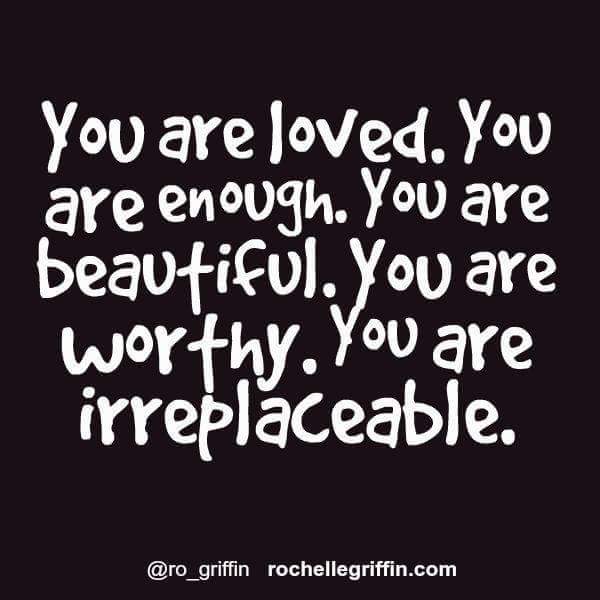
you are loved

Isn’t it amazing how a spontaneous, genuine word of encouragement can make a dreary day, brighter? These verbal “high fives” are sometimes quick phrases of encouragement. Sometimes someone simply checks in to see how I’m doing. These things matter. They matter enough that I know I want to do a better job of being more likely to share the same with others.

“Never underestimate the lingering effects of a dash of spontaneous comfort.” (Greenlee, 2008)

Denise Portis

© 2015 Personal Hearing Loss Journal

Greenlee, G. (2008). Postcards & pearls: Life lessons from solo moments on the road. San Diego, CA: Aventine Press


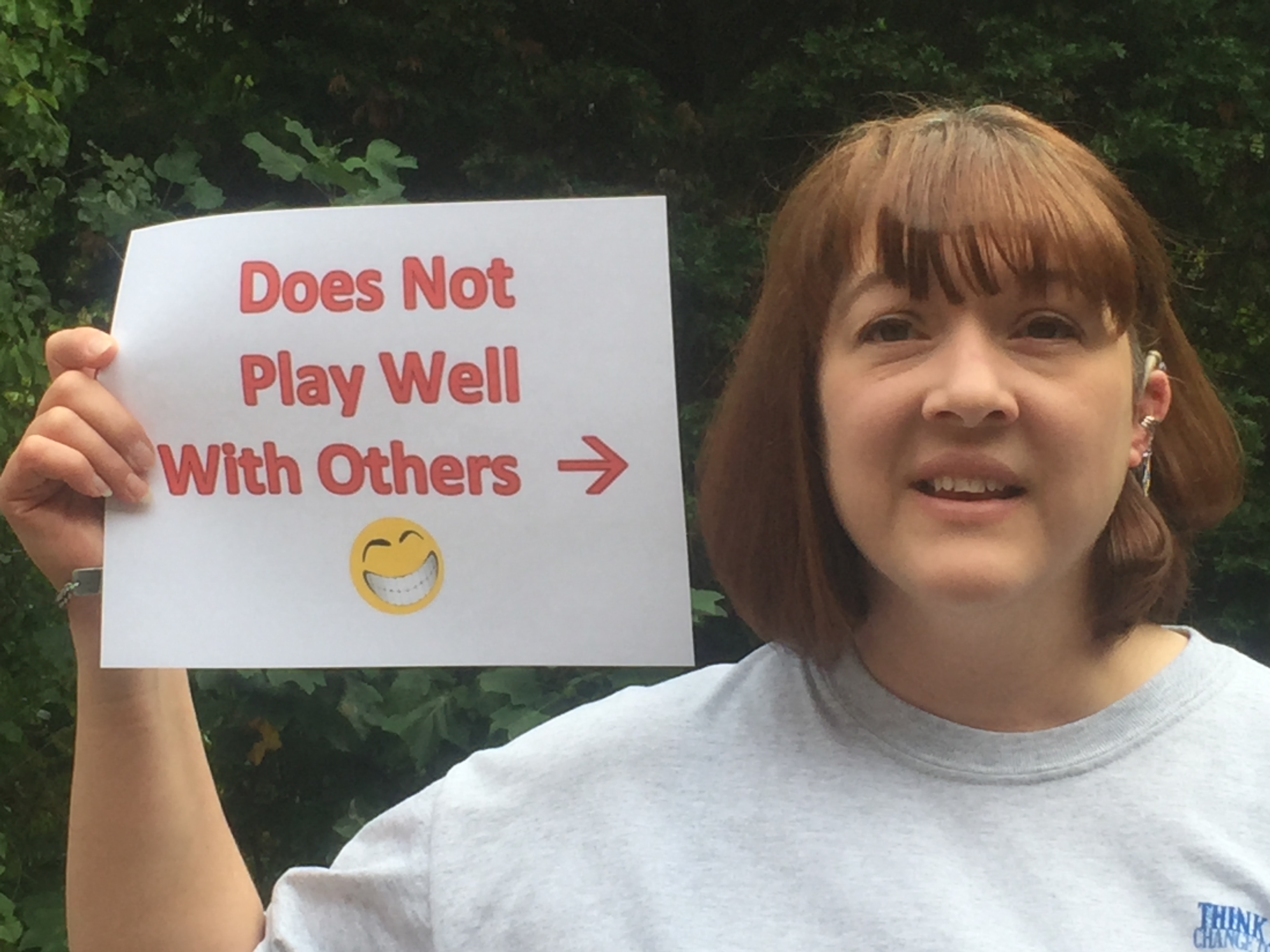
Does Not Play Well With Others

play

I hesitate to even post about this topic because I’m sure to get a little backlash about this viewpoint. Because of that, you will see interspersed throughout this written confession, links of scholarly evidence and citations to peer-reviewed articles that will lend a little more credence to what I’m about to say. I don’t want it to be just an opinionated article, after all!

Confession: I Don’t Play Well With Others

Now if my mother is reading this, she is likely “nodding her head in agreement” but that is because her clearest memory of me is the bossy older sister, not at all afraid to confront people (they call me Vina Jewell Jr. in my family), and stubbornly opinionated. However, when you grow up in a small farming community and go away to college, there isn’t much chance your mother will be able to get to know the adult you’ve become.

Don’t get me wrong. Mom and I talk weekly. But a FaceTime call is a great deal different than seeing someone day in and day out. However, the fact that I don’t play well with others as an adult has nothing to do with the negative characteristics I hope to have left far behind me in my childhood.

As a 49-year-old woman who readily identifies as being differently-abled, “playing” often means quiet, reflective time, or interactions where I’m present but only “just”–in that I do not have to interact with those around me. For example, my husband and I will watch a movie together once in awhile. I’m a reader. I write. I research (by choice and not because I’m a doctoral student). I love sitting on the deck and staring out into the woods. I love to cuddle with my dogs.

Now some who read that last paragraph may think that I don’t like people.

Wrong.

I love people, and enjoy interacting with others. I believe anyone I work with will tell you that I am an eager team player who throws herself into volunteer work with passion and gusto. You see… I WORK well with others. Outside of class, I proudly advise three different student clubs and participate in a number of faculty/staff committees. I love this work. I love the people I work with, too. However, I’m working – not playing. I’m one of the lucky ones in that as a person who is differently-abled, education is a great career. People with skills, training, and education in other types of careers are not as lucky. Many people with disability or chronic illness find that in their chosen career they face both exclusion and discrimination (National Disability Strategy Consultation Report, 2009). I am extremely grateful to be a part of the education community, for I rarely face these issues.

So what’s the deal with my not “playing well with others”? Well you see? The things I mentioned earlier that are ways I unwind, decompress, relax, and “flourish in my happy place”, very few people are willing to do alongside me. (And that’s ok…) I have a few friends that will “hang out with me” and “play” with no expectations. We do not have to do a whole lot of talking. We just “are” – and are comfortable in silences and quiet places. The problem is that none of these friends live near me.

Hearing Loss and Background Noise

It may be different for folks with other types of challenges. As a person with hearing loss, I can tell you that one of the biggest barriers to living a happy and productive life alongside of others, is background noise. Some folks think that background noise is the same thing as white noise.

It’s not.

White noise is a steady (and unremarkable) buzz of sound. If you are as old as I am, it would be like the “snow” sound on a television channel currently off the air. When I was a kid, my older brother and I would sometimes be allowed to stay up watching TV, and we’d eventually fall asleep. When I awoke, the television screen would have “snow” with a buzzy kind of static-like noise. Background noise, on the other hand, is any extraneous sound that is heard while trying to monitor a specific sound. For folks with hearing loss, that specific sound is SPEECH while trying to screen out other sounds (and perhaps voices) from the environment. If I could burn calories for every minute I communicate with others in the normal world, I would not be 25 pounds overweight.

Background noise is the enemy of people with hearing loss. This noise even diminishes our ability to concentrate and form both short-term and long-term memories (Rugg & Andrews, 2009). Kenneth Henry (Neubert, 2012), postdoctoral researcher at Purdue, uses the analogy of numerous televisions. For folks with normal hearing, it would be like turning on a dozen television sets on different channels and asking the individual to concentrate on one show. It’s hard. It’s not at all enjoyable. It’s not something someone would ever do by choice.

Yet people with hearing loss must consciously make the choice to reach out to others, invest their time, energy, and focus just to communicate! It’s hard to communicate in a world full of background noise. It’s worth it. It keeps us from being isolated. It keeps us connected to others. It may keep us productive and working. There is a price to pay, however. The price tag is limited options for “play time”. In order to completely eliminate the WORK in listening, one needs a quiet environment. Friends tend to text one another with suggestions such as:

“Hey! Want to meet at Ruby Tuesdays after church today and eat together?”

“Let’s go shopping!”

“There’s a meet-up at the local Starbucks for mom’s frustrated with their adult children. You should come!”

“A dozen or so of us are going to go walking at the park with our dogs. You should come along!”

“We are all going to go get a pedicure! We are meeting at 2 PM”. 

This is not my kind of “play time”. Now occasionally (OK… I’m exaggerating – RARELY) I will go out and do some of these things. However, there are very few people I can ask to participate in what I really consider “fun”. Even when I go out with friends from Fidos For Freedom with individuals who have various disabilities it is hard. When you do not hear well, you can be isolated even when amongst folks who really understand disability. Folks with hearing loss “play” differently.

“Hey girl! Come over and sit on my deck and watch the squirrels in the trees with me, will ya?”

“I know this great place in the woods near my home where two streams converge. It’s a great place to sit and read a book. I’ll bring the bug spray!”

“Let’s go sit by the Chesapeake and pet our dogs while we watch the ships go by…”

Having a hearing loss as an adult – even when it is “corrected” by hearing aids and/or cochlear implant, the individual is certain to have a co-morbid  auditory processing disorder. This creates all kinds of communication issues that make it extremely difficult to enjoy communicating. According to Whitelaw (2015) “These types of communication issues may include difficulty hearing in less than optimal listening situations, reliance on visual information to augment auditory information, a reduced appreciation of listening to music, and difficulty understanding speech when the speaker is unfamiliar” (para. 1).

I have special programs on my cochlear implant that reduce background noise and allow me to zero in on the person right in front of me. I rely on these programs. (There have actually been times in extremely noisy environments, that I swear I hear better than my normal hearing counterparts). Even with this wonderful technology, I still have to concentrate. It’s not fun. It’s not “play”. It requires recovery time later. Is it worth it? 

Well if it wasn’t, I would never leave home… and I leave home a great deal and for a variety of reasons. Just because I CAN doesn’t mean it is easy. I’ve been alive long enough to know that important things are not always easy.

How to “Play” with Someone with Hearing Loss

If you know someone with hearing loss, please allow me to provide some “playing pointers”. You will note that these activities often revolve around just being in the presence of each other. They are activities that do not require dialogue every second of your chosen “together time”.

  1. Board games: It’s OK, to laugh and “chit chat” over a great board game. But… turn off the TV. Don’t have background music going. If there are more than two people playing the board game, don’t have individual conversations. Every spoken word is meant for everyone present. This keeps the person with hearing loss from having to deliberately ignore the sound of a conversation not meant for them. Please don’t think that people with hearing loss can enjoy “game night” with a big crowd. The folks in my small group at church had a “game night” (with all in the family invited) one night and my first thought was, “just shoot me now“.

2. Books, reading, and discussion: Book clubs are great! That is… if the discussion group is meeting in a quiet setting while discussing the chapters that week. Sitting in the food court of the mall and discussing what you read that week = NOT A GOOD IDEA. If you like to read, ask to spend some reading time with a person with hearing loss. You read; you don’t talk. It is difficult to express how meaningful it is to simply be in the presence of another.

3. Walks, hiking, boating, and other “outdoorsy” stuff: These activities can be great for folks with hearing loss. However, many trails and parks and lakes have become very populated. This means that the person with hearing loss may have trouble hearing you if they cannot see your face. Imagine kayaking with a person with hearing loss. If the kayaks are facing each other they will do great. This also means you won’t get anywhere because two kayaks facing each other cannot move. So enjoy the time together but don’t try to tell them all about the problems you’ve been having at work. Enjoy the hike. Enjoy the quiet of the walk. Enjoy the sound of the paddles hitting the water – and the far distant sounds of other folks out on the water.

4. Movies: I’m a “hearing again” person. This means that I can go to a movie, watch it, understand it, and give it a Siskel and Ebert “thumbs up” or “thumbs down” vote — just like everyone else. This doesn’t mean I can converse about the movie as we exit with the crowd. This doesn’t mean I can walk all the way to the parking deck and discuss everything we loved about the movie. Give me a safe place to stop moving. Allow me to concentrate on the conversation.

5. Gardening, Fishing, or ART: I love gardening, though do precious little of it I’m afraid. I had a great little “deck veggie garden” this year but wondered why I didn’t feel the thrill of it like I experienced it years ago. I concluded it was because I wasn’t pulling weeds alongside my father. I realized I wasn’t thinning plants while with my grandmother just three plants over. Be willing to spend some quality quiet time gardening with a person who doesn’t hear well but enjoys getting down in the dirt.

Fishing can be a great activity.

Art, too, can be a great opportunity to spend some time with an artsy hard-of-hearing person.

Some great resources: LISTENING IS EXHAUSTING.

SOCIALIZING WITH HEARING LOSS.

Not Hearing Loss – but “OTHER”

What if your challenges are not hearing loss. People who live with disability, chronic illness, and visible or invisible health problems may still “play” differently.

As a person with a balance disorder, I cannot go to the fair at the county fairgrounds and “play”.

I cannot walk to the park and “swing” on the swing set while discussing heart-to-heart issues.

If you want to spend time with someone who has specific challenges, ask them what they like to do and meet them where they are – within the parameters of what is “fun” for them. They may have a really hard time meeting you for some “play time” when it will be WORK for them. Ask how to accommodate them. I promise you that they really do enjoy being with you.

L. Denise Portis

© 2015 Personal Hearing Loss Journal

Road Signs

traffic calming

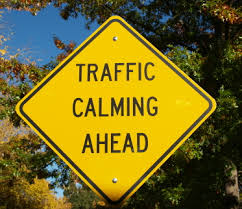
I’m directionally challenged. When I say that, I mean that I even have trouble following SIRI-instructed GPS instructions. Where I grew up it was really easy to tell North from South and East from West. The grasslands of Colorado will do that for you. However, after I moved to the city after high school I’ve had trouble with direction! I remember being so surprised at all the street names. I mean… I grew up on Road W. (I’m not kidding). I lived 1.5 miles east of my grandparent’s home. I knew this because my hometown was North, and my grandparents lived 15 REA poles adjacent to us on the “sun setting” side. I know you think I’m making this up, but I was truly disoriented when I discovered directions included street names and not landmarks. Then I discovered traffic signs that we never had in Baca County! I mean… “TRAFFIC CALMING”? We hardly had a need for stop signs, let alone traffic calming signs.

Last week on a back road–a short cut, carefully taught by my significant other–I encountered a “Traffic Calming Ahead” sign. Now granted… this sign has likely been there all along. However, I just HAVE become confident enough to notice things like traffic signs as I’ve been too busy looking for that white house with the green shutters (cuz – yeah. I still don’t use street signs so please don’t tell my husband). As I passed the sign, my first thought was, “Whaaaa????

I’m very eloquent when talking to myself. As I drove a little further there was a big speed bump in the road. Do you know I almost had to pull over to the side of the road to figure on what a speed bump had to do with “Traffic Calming Ahead”? I forced myself to go on, while my thoughts just jumbled together.

After I figured out what it meant, my next thought was, “Heck. What happens when the sign says, ‘TRAFFIC DRAMA AHEAD’ “? I guess I hope I don’t ever have to find out.

I suppose it’s nice that the city thinks so much of drivers to warn them in advance when they are going to force a change in driving attitude. Wouldn’t it be nice if we had road signs as we traversed LIFE?

Road Signs

It took me awhile to figure out, “Bridge Ices Before Road”. Longer still to figure out:

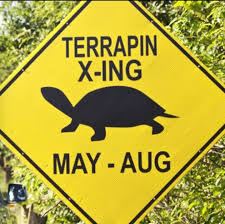
turtle crossing

Someone, somewhere, has been very conscientious about what lies ahead. Why can’t we have that kind of system to navigate life? I suppose in a way we do. As a person of faith, I certainly have prayed enough asking for guidance and clear direction on decisions.

I’ve also “bent the ear” of close friends when I’m trying to make decisions or determine what to do. I don’t know about YOUR life, but in my OWN? I’m often left thinking, “What just hit me?” after I’ve already encountered the hazard. There was no warning. Don’t for a moment think that I’m not paying attention either. I’m probably hyper-aware as I’m prone to some OCD tendencies. So why do I so often hit the speed bump at full speed (or crush the turtle)?

Distractions

I have some folks in my life with some ADHD goin’ on. It kinda makes sense that they would miss signs. So how does someone who pays great attention to details, get distracted? Basically? I lose my focus. I may be driving along still thinking about:

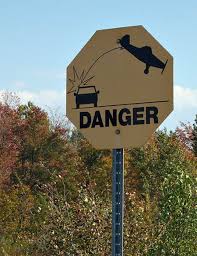
helicopter

That I failed to pay attention to the next warning:

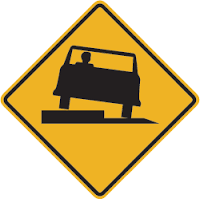
uneven

So when my car dropped off the uneven pavement on one side, I screamed like a girl. Thank goodness I’m a girl.

Not only do I tend to perseverate – causing me to be distracted, I also tend to “worry something to death”. How many times do we worry about things we cannot change? Take a minute and list all the things you really have no control over. I’ll check back with you in a couple of months.

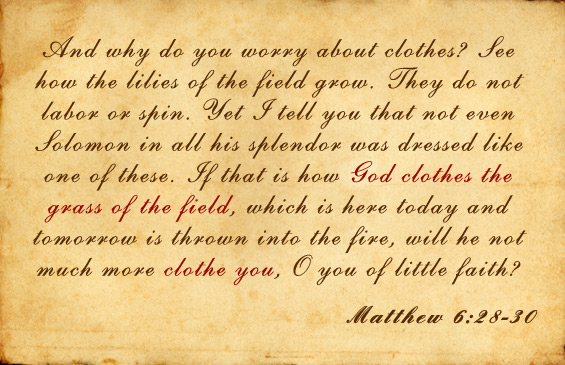
As a person of faith I try to:

faith

I have to tell ya, though, I blow it again and again. I’m a “worrier”. I’m trying to do better because I’ve come to recognize it IS a big distraction for me. I miss warning signs, I become self-centered, I miss cues about other hurting people, and I step in doggie doo-doo (just laying it out there, folks).

The “Here and Now”

I’m having to learn to live in the “here and now”. I’m not very good at this. Don’t get me wrong… I think we should make plans and be prepared. Be an ant instead of a grasshopper. But I get awfully distracted about worrying about something that hasn’t happened yet. Worse? I worry about something that has already happened and can’t be changed.

I’m working hard to take one day at a time. I’m working hard to focus on the here and now. Example:

I’m fixin’ to walk into class and will be there for 50 minutes. How are my students today? Does anyone seem worried, distracted, tired, or ASLEEP? How can I make personality dispositions FUN? I don’t get any second chances. I don’t want to miss that one student looks shell-shocked, another likely high. (Dude? What have you been smokin’?)

I don’t get that 50 minute time segment back. It can be simplified beyond this, too. I’m trying to take more naps. I need them. I don’t know if it is because I’m “almost 50”, or if it is because I am fatigued from having to speech read and pay attention? I just know that I live for naps. If I have an opportunity to have one, I don’t want to lay there for 27 minutes of my hour available worrying about what I need to do. I’m learning to focus on calm – peace – rest – sleep.

My guess is that if you are reader of this blog, you have challenges of your own. You may be differently-abled or live with chronic illness or pain. Perhaps you are struggling with emotional health. Learning to ignore the distractions will help you focus – help you cope. It isn’t a cure-all. Occasionally you will still be taken by surprise. You are going to see and benefit from far more road signs if you are really paying attention. I hope you will work on it and if you have any tips, comment below! I know I take all the advice I can get!

L. Denise Portis

© 2015 Personal Hearing Loss Journal
Through the Eyes of a Newbie

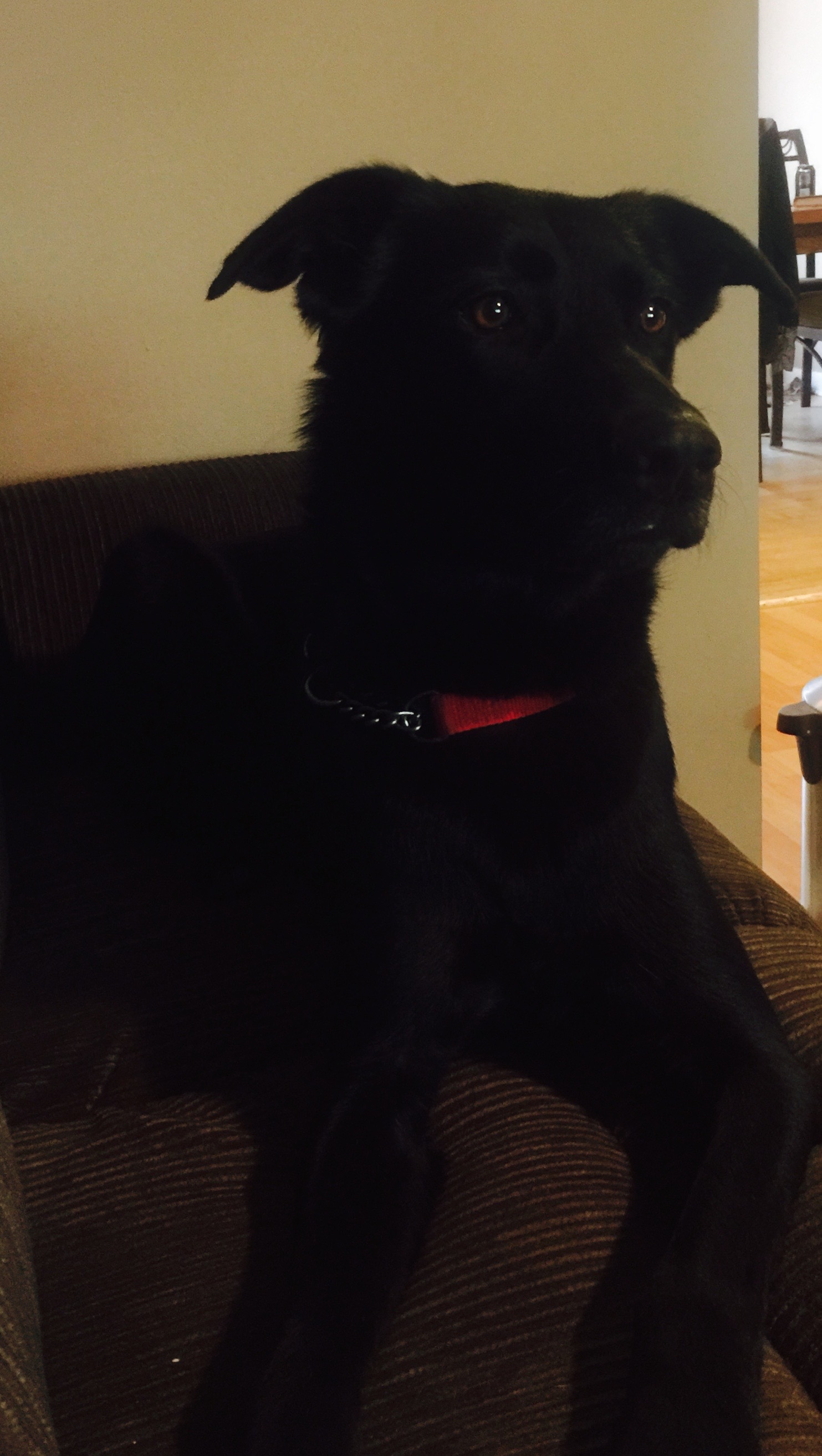
Milo Cade - Fidos For Freedom, Inc., Service Dog.
Milo Cade – Fidos For Freedom, Inc., Service Dog.

Many of Hearing Elmo’s readers know that I retired my service dog, Chloe, this year. Since May 1st, she is enjoying retirement and still does some hearing alerts at home. She is happy, spoiled, and we believe well-deserving of all the naps and belly rubs she is currently receiving. I was recently matched with Milo, from Fidos For Freedom, Inc. Milo is a shepherd/lab mix and I am enjoying the process of being partnered with a mobility/balance service dog versus a hearing/balance assistance dog. We determined my primary needs are mitigating issues with Meniere’s disease and not hearing alerts. I love my cochlear implant, and feel like I have adjusted to the world of “hearing again” very well. My balance is, and will continue to be, a major issue. I suppose in a way, this is an introduction of my new partner, Milo.

One thing I have enjoyed is experiencing MY world (work, church, walks, etc.) through the eyes of a newbie. For Milo, everything in MY world is new. He looks at everything in awe. If he isn’t looking in awe, he is sometimes in “investigation mode”.

Is it scary?

Is it freaky?

Is it edible?

Is it alive?

What does Denise think?

At a training session with my trainer a week or so ago, I brought Milo to one of my classes. I had allowed enough time to exit the service dog safely from my car. I had allowed time for a short potty break. (Honestly, Chloe hasn’t been at home long enough for me to get out of the habit of some of these things. I found myself at a potty area recently and realized I didn’t have a dog by my side!). I allowed enough time. Not.

I did not allow time for all the new things my newbie partner was seeing. The grassy area was new. The trees and picnic bench were new. The ramp into the building was new. The automatic door push-button was new. At least… it was new to MILO. For just a brief second, I was mildly annoyed. I had not allowed time for appraising all of these new environments. That was MY bad, not Milo’s. I want my dog to be confident and aware of his surroundings. I was almost late to class, but the time I took “extra” was time worth taking. Newbies need some extra patience from those of us who are veterans to the schedule and environment. We owe it to them. But you know something?

Blowing It BIG!

I really know how to blow it. I mean, I don’t do anything half-way. This isn’t always a good thing. I recently became extremely exasperated with someone relatively new to “hearing again”. I try hard to be a positive advocate for people with disabilities, and chronic and/or invisible illnesses. This blog is, in part, a way that I try to raise awareness and encourage people to talk about tough subjects.

I see this lady about 3 times a month at the grocery store. Over a year ago she saw my CI, asked about it, and eventually had surgery herself. This individual was relatively new to hearing loss. She was still struggling to help the people important to her understand that the CI did not “FIX” her hearing. Instead it was restored to a type of hearing (bionically) and  she would still be in environments occasionally where she would need others to understand that she needed to 1) see their face, 2) slow them down, and 3) find a quieter spot. After listening to her for about ten minutes – really distraught about not feeling accepted –  I felt myself becoming impatient. We had this conversation before and I felt as if we were “beating a dead horse”. Remorse and shame immediately washed over me. I stuck my finger in my own face and preached, “Really, Denise? Really?” (Y’all are trying to figure out how you stick your own finger in your face, aren’t you?)

As I had (thankfully) kept my mouth shut, I continued to listen and realized she was now apologizing… “I’m sorry I keep bringing this up. I just can’t seem to help them understand that the CI was not a CURE. I’m so frustrated!”

I realized then and there that I needed to put myself in newbie shoes more often and remember how difficult those early years were. Advocating and educating take time. Families and friends do not just wake up overnight and suddenly “get it”.

I told her that I often forget how hard those early years were, and that she had to keep at it… eventually some of it would start to sink in for her family members.

As a person of faith, I believe everything happens for a reason. We may not always like the purpose behind God allowing something to happen, but there is always a reason. I’m also (gulp) old enough now to know that we may not EVER completely understand why something happened this side of Heaven. I have ALWAYS felt like that the acquired disabilities I have were allowed so that I could help others… or at least try to do so. I blow it. I blow it BIG. However, I think those of us that have lived the life a few years, owe it to the newbies in our lives, to lovingly coach, encourage, cheerlead, advise, and HUG often.

You are going to have newbies in YOUR life. Unless you are isolating yourself, you will have folks new to whatever “ails ya”. People will look to you for understanding and advice. You will be able to empathize much better than their doctor, their families, and their co-workers. Of all people – YOU get it.

Are you looking for a way to invest your life in someone with similar challenges? There are opportunities everywhere. You simply need to know where to look. Urban areas often have face-to-face support groups for various illnesses and disabilities. There are numerous online support networks, discussion forums, and peer supports. Many doctor’s offices and rehabilitation specialists have contacts to support personnel. Invest yourself in the life of a newbie. Remind yourself while investing how difficult those first years were! It shouldn’t surprise you to discover, sometimes by accident, the student becomes the teacher. Always, always be teachable.

Denise Portis

© 2015 Personal Hearing Loss Journal
The Two Sides of Me

happy-sad

I work as an adjunct professor at a local community college. This year I was thrilled to participate on the “Year of Social Justice” committee and to head up one of the major activities for the year – “disABILITY for a Day”. The students were given 5 disabilities to choose from, and were to experience a day of class rotation with the chosen disability. We limited the options because we did not want students (for example) choosing a mental illness and inadvertently feeding the stigma of various diagnosis. The students were to then answer 10 response questions and write an essay about the experience; or, create a video segment on their experience. If a student had a disability or invisible illness, they could do the activity “as their norm” or choose something different.

I received a number of finished products from some of my own students, some of whom I had no idea had a disability or invisible illness, and a few that I did. With permission, I am sharing part of that response (and leaving out names and identifiable descriptions).

An Invisible Influence

While I consider myself a person with invisible disabilities (profound hearing loss/hearing again bionically, and Meniere’s disease), I have worked very hard to make the invisible – VISIBLE. I learned in my late 20’s, that it served in my favor for people to recognize that I did not hear normally nor move normally. I do this by “BLINGing up” my cochlear implant, using a brightly-colored cane, and going about my daily life with a service dog by my side.

Although I have “been out of the closet” for years, there are more subtle things that I do not even realize are an influence for others who are struggling. I’m open about my challenges and actually have to work hard at not using too many personal illustrations throughout my lectures. (It’s one thing to educate your students about the disability community, and another to overwhelm them with details).

When I stumble, I usually say, “Woah!” and then grin super big and ask “would you like to see the rest of the dance?” I giggle at myself. Genuine, embarrassing/snorting giggles. If I turn too quickly towards the white board and slam into it, cheek first, I would have a spiffy comeback sometimes such as “ouch… up close and personal”. At times I would simply say, “Crap. It’s gonna be one of those days”. My students knew when I was having a particularly bad day because I would sit during most of the class, or simply announce that I was going to limit motion today (so please come to ME-smile).

One day in class, I reached to pick up a paper clip that I did NOT want Chloe to retrieve and fell on my face to the floor. Several students were there in seconds lending me a hand to resume my vertical stance. After hearing a couple of times, “Geez, professor. Ask for help”, I learned that I could ask for assistance when my service dog could not do so safely, and no one minded at all! I work hard at being transparent. I simply didn’t realize how well students with disabilities could see right through some of the “stuff” I used to advocate in a positive way.

I had a student this semester with visible disabilities, hidden and covered up to make them as invisible as possible. The student sat on the front row and wore a hoodie the first couple of weeks of class. It hid her face and her torso. I saw a transformation in this student in only four months. It wasn’t until the “disABILITY for a Day” assignments were turned in that I understood the why behind the change.

By the end of the semester, the hoodie was gone, she sported sparkly jewelry that actually drew attention to some of her challenges. She smiled (and golly did she have the most beautiful smile). She talked to everyone in her vicinity in the classroom. I saw students come up and hug her at the end of the semester and exchange phone numbers. The following is part of what she shared:

The Two Sides of Me

I always tried to hide my disability. In public I would cover up as much of me as possible. My face could be seen and I’d smile when someone looked at me. I would never allow them to look to long. In reality, I was broken, scared and even scarred. I have a professor who embraces all that she is, disabilities and all. I’ve seen her put other people’s unease at rest. She cracks up at herself. When she is having a bad day, she says so but continues to do her thing and teach. She never makes us feel sorry for her on her bad days. I’m not sure how she does it because one thing I hate is pity. Maybe it is because she is real when she is having a good day or bad day. I’ve heard her use the words “differently-abled”. She says she borrows it from a lady she knows with incredible courage and strength who lives with significant challenges. I don’t know why I’m 19 and only now figuring out that I’m differently-abled and not disabled. I have now learned to tell my family or close friends that I’m in pain or having a bad day. I don’t let it drag me down though. I have really good days, too. I’ve even learned how to put on make-up with one hand. Yay, me! There are two sides of me, and I like both sides.

I Get it Wrong – So Will You

I don’t share any of this to “toot my own horn”. As a matter of fact, I’ve made so many mistakes. For example, I had a student ask me this last semester, “Are you OK, today?” “Sure,” I replied with false sincerity. “Bull****”, they replied.

Busted.

I share this post today for one reason only. You often aren’t aware of your own influence.

Do you have a tough life? Be genuine, but live as if you are being watched. Be real, be transparent, but remember that someone somewhere is taking notes.

good example

“Denise, you have no freaking idea what it is like. You have plenty of support. You have a job. You have friends”.

Yes. I hear from disgruntled readers from time to time that I cannot understand what it is like to experience the hardships they face. They are right. Their challenges are not my own. I know that I do NOT always have good support and feel alone. I have a job, but it is really hard to go to work some days. I have friends, but only a few that I could actually say, “please help me”. I don’t want anyone to ever think that I do it right all the time. If I was perfectly at ease with who I am and comfortable in my own skin, I wouldn’t be seeing a counselor twice a month. I have major depressive disorder and it is very closely linked with my disabilities. I do not want anyone to think I do not struggle – for I do. My motto is “I have disabilities; my disabilities do not have me”.

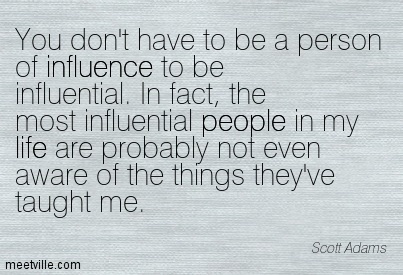
Quotation-Scott-Adams-life-influence-people-Meetville-Quotes-125021

Live your life – that’s right, the one that is often TOUGH – as if someone was watching.

Someone is.

Denise Portis

©2015 Personal Hearing Loss Journal

NOT “The End” – Turning the Page on a New Chapter

"Hanging it Up"
“Hanging it Up”

I’m a reader. Perhaps it has something to do with having a mother who was an English teacher. Maybe it is because both my parents are readers. All I know, is that I can’t remember not having books. I lived in a rural, farming community and as it was before the “age of the Internet”, much of what we did in our free time was reading. Thanks to my mom, I have read all the “great classics”. I also grew up reading series such as “Trixie Belden”, “The Bobbsey Twins”, “Nancy Drew”, “Hardy Boys”, “Sugar-Creek Gang”, “Agatha Christie”, and “Little House on the Prairie”. I remember being SO BORED one summer that I started reading my dad’s favorite series, “Louis L’Amour” and discovered they were actually OK too!

I always felt a little melancholy when coming to the end of a good book. If it was a series, I fretfully waited for the sequel to come out. It was especially hard when the author ended a book with a “cliff-hanger”. I think that is when I started biting my nails.

I’ve had an emotional roller-coaster kind of 2015. I have been slowly easing my service dog, Chloe, into part-time work. I have already started training for a successor dog at Fidos For Freedom, Inc. In the past week, Chloe has gone from part-time working dog to “when hound dog feels like it”. I always ask her if she wants to “get dressed” and more often than not she flops her tail at me and gives me a sweet hound-dog look. “See you later, mom! I’ll be here when you get back!” 

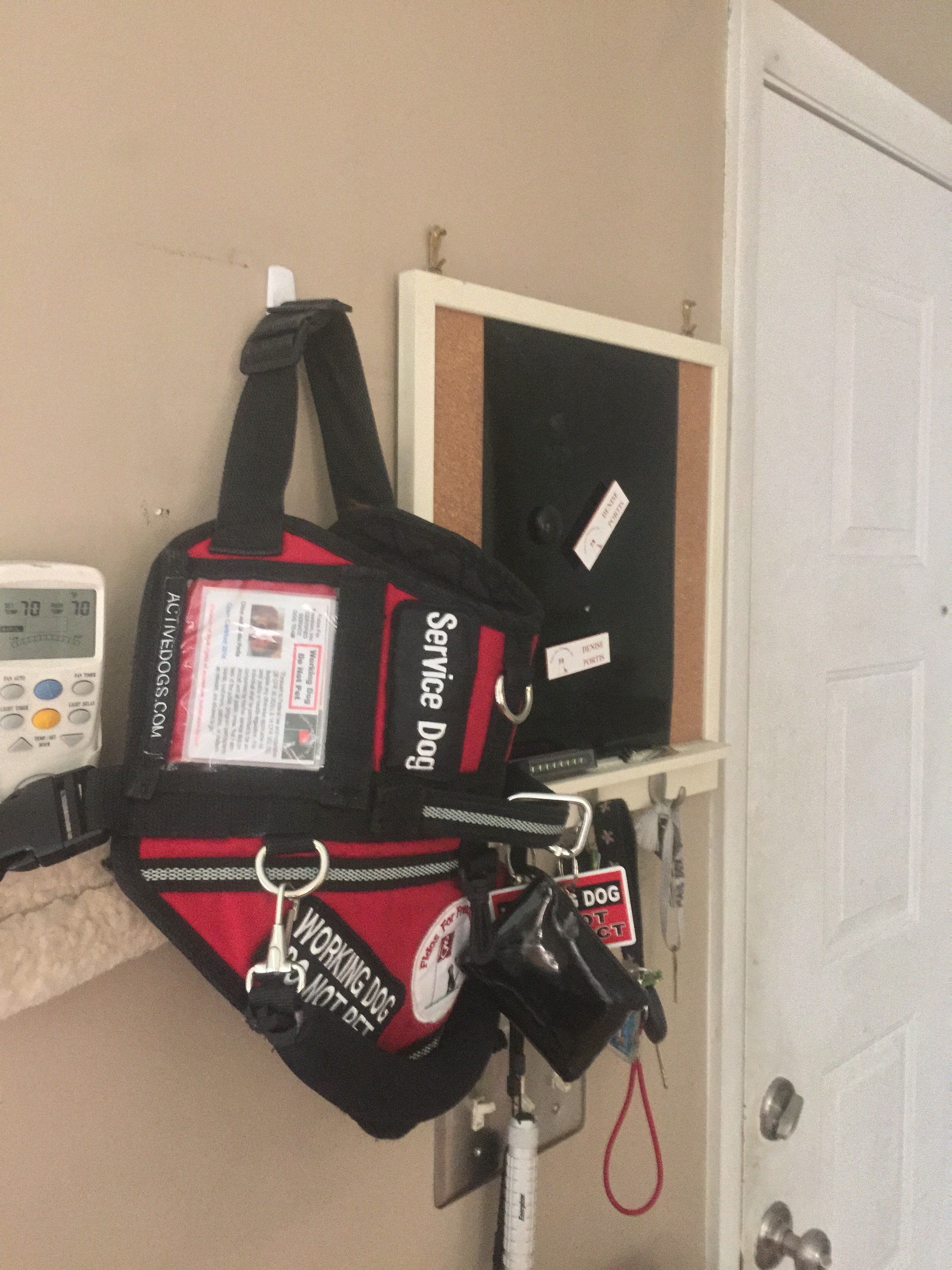
Her vest is more often hanging on its hook, than it is being worn by faithful service dog. It has been a harder transition on me than it has been on her, and frankly? That’s the way I want it.

People notice that Chloe isn’t with me now. I suppose when you are thought of as a team, when the “cute red head” is missing, people notice. I’ve answered these questions dozens of times:

“You get to keep her, don’t you?”

“What will she do all day?”

“How will a new partner and Chloe get along?”

At first, it made me really sad to see her vest hanging on it’s hook as I walked out the door. I had an overwhelming feeling of finality. I know I’m making the right decision, but for awhile I felt like I was facing the end of a book–“The End“.

However, I realized that just like in OUR lives, finishing one chapter in life doesn’t mean the book is over. We plan to ease Chloe into therapy dog work if it is something both my husband and I can work into our schedules. If she doesn’t transition that direction, she will continue to be a beloved furry member of our family.

When the Life You Had Is Over…

One of the most disconcerting things about acquired disabilities or invisible, chronic illnesses, is that at some point you may not be able to do everything that you once were able to do. I’ve heard some people say, “Don’t ever say you CAN’T. Just find a new way of doing it!” But friends? That isn’t always realistic.

Take roller-skating for example. I love to roller-skate. I was actually pretty good at it, too. I could skate backwards, do a single axle, speed race, limbo on skates, and much more. Post balance/vestibular disorder, I can no longer skate. Sure, I could probably find various devices to prop myself up, or skate with a walker on wheels. But, I won’t be skating like I was. This doesn’t mean that I stop doing ALL extra-curricular activities. There ARE some things I can still do and do so safely. I simply started a new chapter in my book, “This is My Life“.

Some people find that after acquired disability or diagnosis, they can no longer work. Their “new normal” includes chronic pain, debilitating fatigue, or other symptoms that make it impossible for them to work “9 to 5”. However, they may find they there are some things they can do to continue earning a paycheck. There are a variety of things one can do to earn money while working at home.

Some people become volunteers and do a number of things that yield personal satisfaction and allow them to “give back”; however, the activities are not dependent on a set schedule. I know some people who no longer work due to a diagnosis, and likely do TOO MUCH as volunteers. There are so many opportunities! There are so many ways people of various abilities can do to benefit others.

If your life took an unexpected turn after a diagnosis or acquired disability, your book isn’t finished. You are just starting a new chapter.

BUT… YOU DON’T UNDERSTAND. Everything in my life has changed! I cannot successfully reach goals I made a long time ago before this diagnosis. My friends have changed. My relationship status has changed. My book really is approaching “The End”. 

Perhaps your life really did experience a 180 change in direction. Some of my favorite books are part of a SERIES. The book may have ended, but there is a sequel. Set new goals. Make new friends. Do new things. I have found that some of the most rewarding experiences I have had were the direct result of my embracing my own “new normal”. I stopped trying to be the Denise I was before hearing loss and Meniere’s disease. The people I have met, the job that I have, and the organizations in which I am involved would have never been a part of my life if I hadn’t been forced to start a new chapter, or even a new book in a part of a series.

Hanging your vest up? Have major changes happened in your life? Your story isn’t finished. The chapter may be done. The book may even be finished. Your story is NOT complete.

Writer’s block? Network with others who have similar diagnosis as you do. See what they do to volunteer, serve, or even jobs and careers they may have. It’s never too late to go back to school! Many older adults sit in my classrooms taking classes to earn a degree and prepare them for something new. Gone are the days where all my students were 18 and 19 years old.

From an editorial review of “The Story of My Life” by Helen Keller: “Many of her later works were largely autobiographical, but there was always an emphasis on the inherent power of the individual to journey through life with hope. The Story of My Life is the first chapter in such a journey.”

If your life has significantly changed, it is simply the end of a chapter. Your story – your journey continues.

Denise Portis

© 2015 Personal Hearing Loss Journal
Retiring My Service Dog

By request, I am transferring a copy of this to “Hearing Elmo”.

Almost "11-year-old" ChloeAlmost “11-year-old” Chloe

Dear Chloe,

I started asking questions of other veteran teams about a year ago. I started to notice some things about your energy level throughout the day. You were always great about taking naps when the time was available to do so. It helped keep your tail wagging and enabled you to always be on your toes when I needed you. Lower energy levels coupled with some obvious pain when your packmate, Tyco, hit your back clued us in that something else was up. I noticed that if someone reached down to pet you with heavy hand you’d shy away or even yelp. Your beloved vet verified you had developed arthritis in your spine. We tried a variety of helps and eventually found something that didn’t make you walk around like a zombie but kept your pain at bay. I tried to ignore what my heart was telling me. I’d deliberately think of other things; things like those early years.

Alerting to my cell phone jingleAlerting to my cell phone jingle

Do you remember?

… when you first learned to alert to my cell phone ringing? We had practiced all day. That evening, you calmly lay by the tub while I indulged in a bubble bath. Evidently my phone rang, because the next thing I knew both you and the phone were in the tub with me. I guess all those bubbles did look like a solid surface.

Do you remember?

… when I learned awfully darn quickly to carefully search through the laundry basket before lifting it up if you were doing a PERFECT POINT towards the hidden cat in the warm, dry clothes?

Do you remember?

… when you came running in the office and popped me in the chest – something not at all allowed? I corrected you and made you lay down and you hopped right back up and popped me in the chest again. So I followed you – down the stairs and into the laundry room where a fire had started. Right as I entered the laundry room, the smoke alarm went off. You were more reliable than the smoke alarm.

Do you remember?

… flying all over the country speaking at various conventions and conferences for the Hearing Loss Association of America? You were always such a great ambassador for service dogs and for Fidos For Freedom, Inc. You accompanied me to speak at a Cochlear America’s convention. It didn’t matter if we were speaking on Capitol Hill, or a local chapter of people with hearing loss, you were a friendly, hard-working service dog wherever we went.

Do you remember?

… being on television because we were kicked out of the Francis Scott Key Mall in Frederick, in spite of your good looks? We couldn’t convince security that you were a service dog and that it was a violation of the ADA to not allow the service dog that helped me be independent into the mall with me. Mall management apologized, we did a training, and your mug was in newspapers and video feeds everywhere. What a great ambassador you are!

Do you remember?

… when my balance disorder become much worse and I cried myself to sleep almost every night? You’d lick my face and snuggle close and were simply “there” for me.

Do you remember?

… when I noticed a student struggling and asked to meet with them after class? We all sat down and I asked “Is everything, OK?” You stood up and walked over and put your chin on their knee. The floodgates opened and we discovered the tragic circumstances this young man was trying to deal with on his own and were able to get him the help he needed. You were always so good at reaching out to students in need.

Always so happy in stores...Always so happy in stores…

Do you remember?

… how every store employee in all the stores we frequent, eventually learned your name and had to say hello to you? You’d bow and then wag your tail. Oh my goodness, all the items you’ve picked up for me over the years! I have grown so accustomed to not having to ask people for help.

Do you remember?

… running home to bark at the door for dad after I slipped and rolled down the hill and hit a tree? We thought I had also broken my ankle, but it was only sprained. You went all that way back to the house by yourself and got help. You didn’t complain that I had to use a walker for 5 weeks.

Do you remember?

… all the trainings at Fidos For Freedom? All the DEMOS, information booths, and community awareness activities? Girl? You shine.

Finally brave enough to do stairs...Finally brave enough to do stairs…

Do you remember?

… when I was finally brave enough to try stairs? If a national park like Harper’s Ferry did not have elevators, walking paths were impossible for me. You allowed me to hike again. Thank you.

all the re-certification tests we've done together! Wow!all the re-certification tests we’ve done together! Wow!

Do you remember?

… all the re-certification tests we’ve done? You sailed through your requirements each year while I sweat out the written part of the test. Oh for your calm, hound dog!

Do you remember?

… being the topic of NUMEROUS posts on Hearing Elmo, my now fourteen-year-old blog for people with acquired disabilities?

Do you know how many lives you have touched? What a difference you’ve made in my life, and in the life of others!

Do you know how much I love you? I love you enough to let you retire even though I miss you desperately when I go to work on the days you are now staying home. I love you enough to let you rest, and play, and be a beloved pet. I love you enough to support you in your second career and let you be the therapy dog you’ve always wanted to be. I love you enough to phase you out of donning your vest each morning. I love you enough that I miss having you by my side 24/7, but love you enough to know you are sleeping and resting at home – waiting for me to come home so that you can cover me with Chloe kisses.

Thank you for being my partner, Chloe. You have given me independence and confidence to help me realize my dreams and to be involved in the disability community. Thank you, for loving me unconditionally and teaching me to do the same. Enjoy retirement, my red-headed sweetheart. You deserve it!

Your partner,

Denise

Tree Hugger

2015-04-11 19.08.33

The weather is finally feeling “Spring like”. The trees are all budding out and blooms galore, decorate my neighborhood. It ain’t all good. *achoooo* – but allergies seem a small price to pay for such pretty walking weather.

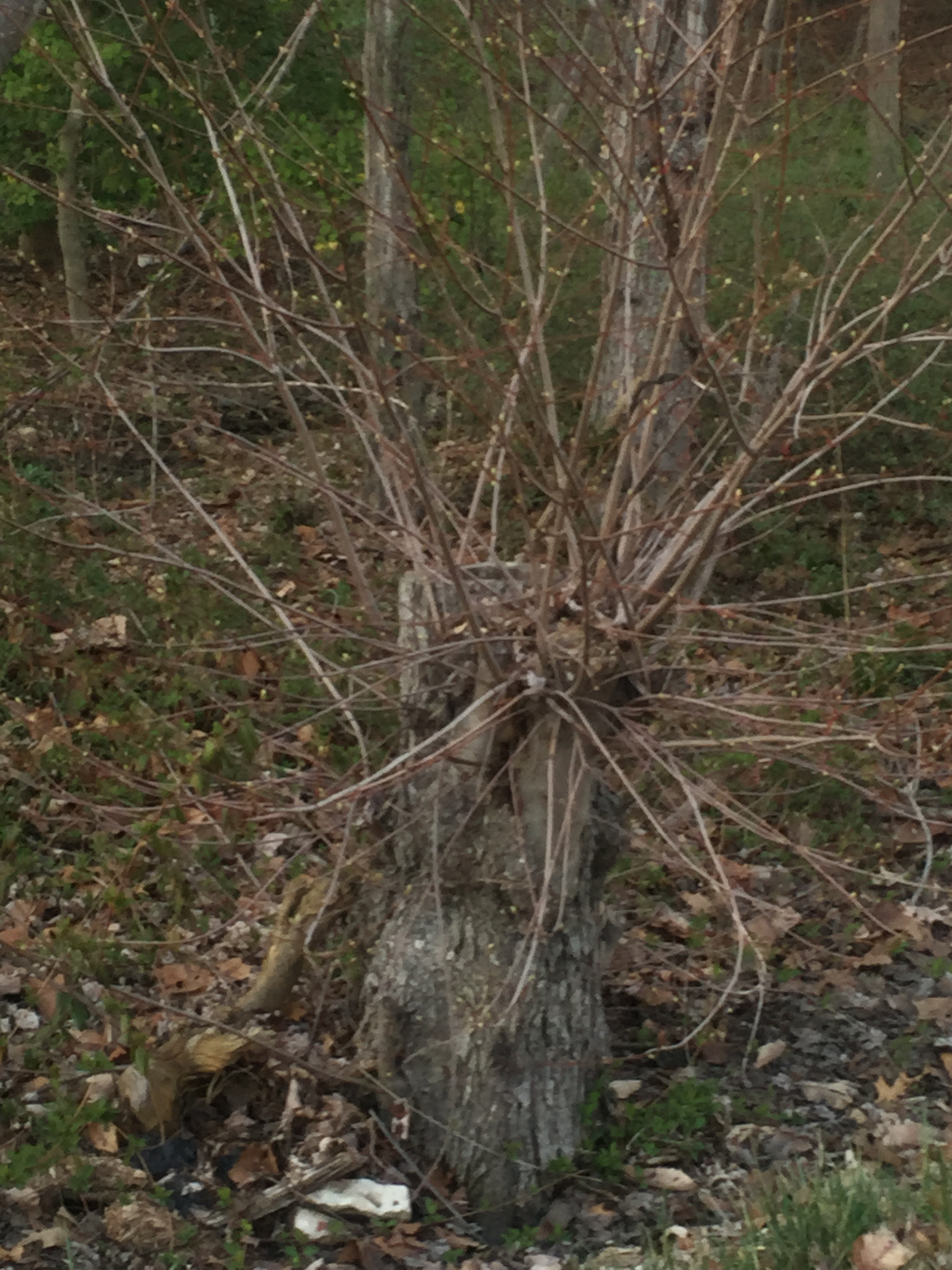
A couple of days ago, I ventured out of my immediate neighborhood and down a nearby walking trail. I’ve posted about beavers and bullfrogs in other posts as the path stretches along the perimeter of a small pond. At “the bend in the path” where the trail takes a sharp right turn, a huge tree was cut down. This was supposedly done to insure the path remained semi-straight. When I first saw it last year after this section of the trail was finished, I grieved a little seeing that this huge tree was chopped down and for the apparent reason it was hauled away. I haven’t been down this path in months and months. When I got closer to the remains of this giant, I looked for the scarred stump. I was surprised at what I saw. Every which way, new growth and small branches, sprouted from the stump.

I almost became a “tree hugger“. Not in the traditional “activist” sense, but I was so excited to see that it had persevered! I even took a few steps off the path to see how to approach for a hug. Seeing no great way to latch on and SQUEEZE, I instead reached out and calmly high five’d a small branch closest to me. I stood and silently celebrated the fact that this tree was still alive, determined to continue in spite of being chopped down!

Have You Felt the Woodsman’s Axe?

I turn 49 this year. Honestly, growing older doesn’t bother me in the least. Yet, because I have acquired disabilities, I have to admit that where I am is NOT where I thought I’d be. Don’t get wrong.

I feel good about me. I still have goals. I strive to make a difference. I love what I do. I have good days and bad days. There have been days I have really felt cut down.

AXED.

For many with acquired disability, chronic illness or invisible (or visible) conditions, much energy and focus is geared towards being independent. We don’t want to be a “bother” or put people out. I stopped trying to “fit in” a long time ago. I don’t hear normally. I don’t walk or stand normally. As I have become comfortable in my own skin, others have learned to accept me just the way I am as well.

But sometimes? Well, sometimes someone comes by with a wicked, sharp axe and hacks away at me, chipping away at who I am. Do you know what sucks? Sometimes the woodsman is someone I know well. Do you have people in your life who tell you “for your own good” to suck it up? “If you didn’t go around making a big deal about your disabilities, you would fit in better!” “Well aren’t you the DRAMA QUEEN?” “I’d never know something was wrong with you if you didn’t go around with a service dog!” (As if it never occurred to them I’m independent BECAUSE of the service dog).

There will be times we feel “cut down” because it is JUST ONE THING AFTER ANOTHER. I have some friends (those I call family, really) who have significant challenges. A few of them have really had a tough year. One took a significant fall in a store and is STILL recovering as the injury fall out was compounded by her MS. I have another friend with MS who is a stroke survivor. Her husband is now dealing with significant health issues. A young woman I got to know through Fidos For Freedom (who also writes) has a terminal illness and things seemed to go from bad to worse for her this year. These warriors have been chopped away.

Yet people with disabilities and chronic illness are stubborn. We persevere. If anyone “keeps on keeping’ on” it’s us! There is not any person with ANY challenge that cannot explode with new growth in the Spring. Winter is harsh. Axes are sharp. Bad stuff happens. But friends? Life isn’t over. Good can come from this.

Spring is here. Have you had a tough Winter? Did someone take an axe to you? You still matter. You can still make a difference. You are important. It’s Spring. Time to bust out in blooms or branch out in new growth. Don’t make me come fertilize you. 🙂

You meant evil against me, but God meant it for good in order to bring about this present result. Genesis 50:20 (NASB)

Denise Portis

©2015 Personal Hearing Loss Journal
Embracing It!

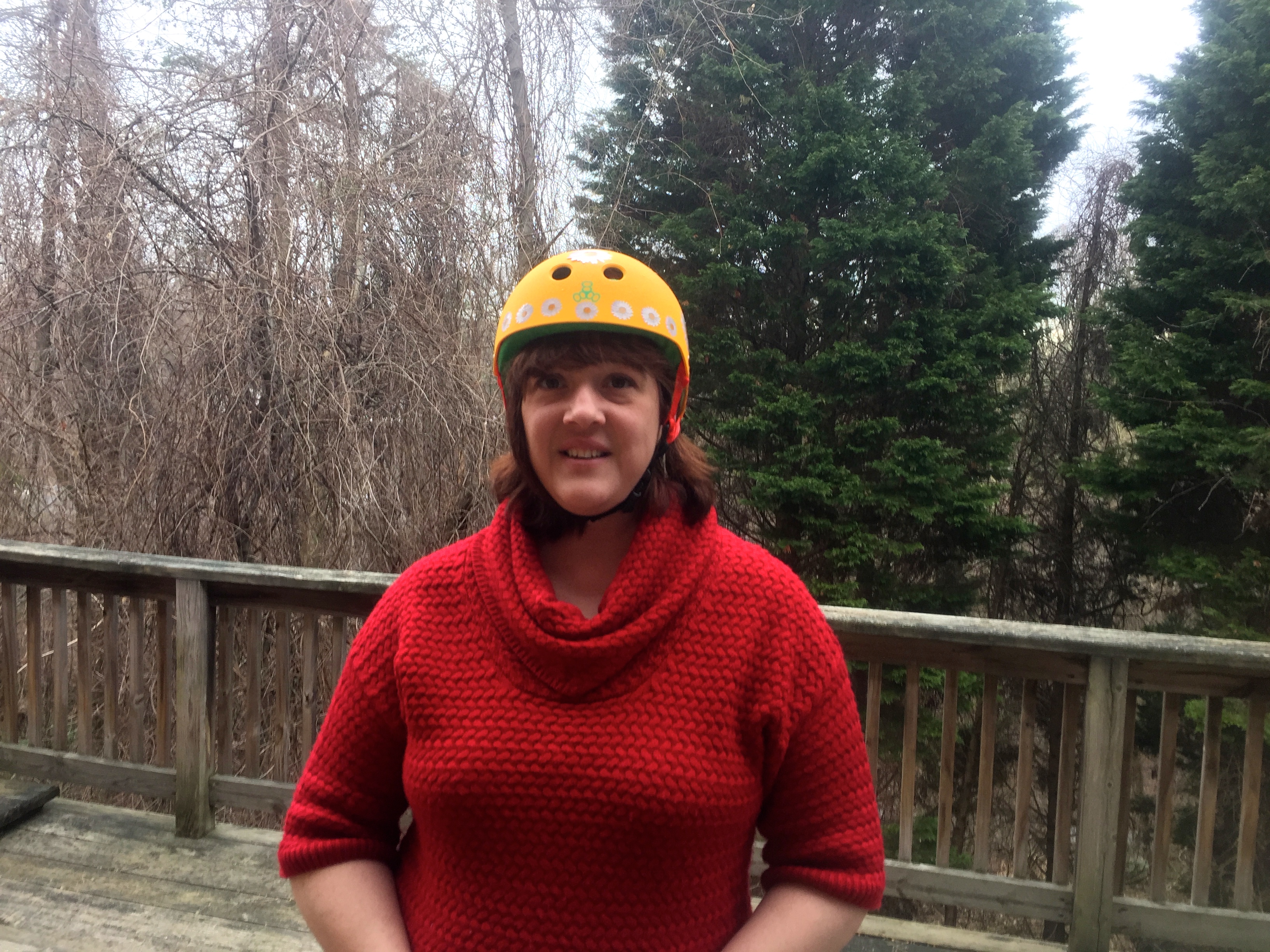
"So... tell me the truth. How does this look?" (Terry) "Baby? You are rockin' that helmet!"
“So… tell me the truth. How does this look?” (Terry) “Baby? You are rockin’ that helmet!”

I believe that there are very legitimate reasons for people who choose to keep invisible disabilities invisible. I respect their choice and their reasons for doing so. In many circumstances, it makes “good sense” and isn’t at all about vanity or shame.

I am “all out there” for lack of a better way to put it. In my profession, in my life, in the community service arenas I’m involved in, and for personal safety reasons, making my invisible disabilities – visible is the right thing to do.

I wear bling on my implant. I think it is fun. It puts a smile on my face. I’m so SO thrilled to be hearing again. The progression of my hearing loss took 12 painful years. I was completely deaf for almost two, silently researching and investigating cochlear implants. I’m so proud to be hearing again. Some say I’m flaunting it. Ummm…

YEAH.

If you do not want to bring attention to disabilities, do not ever choose to be partnered with a service dog. Even though our dogs are taught to be nearly invisible (and don’t you know folks are always startled when I get up to leave restaurants because they had no clue my dog was there?), when you walk through a store or into a doctor’s office, your service dog will bring attention to the fact that “something is different about you”. It has been a very long time since working dogs were only trained to be guide dogs. There are diabetic alert dogs, seizure alert dogs, autism dogs, PTSD service dogs, mobility assist dogs, balance assist dogs, alzheimer assist dogs, hearing assistance dogs, and the list goes on! My service dog makes me more independent. I don’t have to ask for help nearly as often. I don’t miss things (sounds my CI won’t pick up), and I’m confident and more safe. But choosing to have a service dog will bring attention to you.

When my Meniere’s disease worsened, I finally realized that 3-5 falls a week were too many. When I have my cane, I stumble maybe 3-4 times a week, but rarely go all the way down. I average only 2-3 falls a month now. I have three canes. They are bright, bold, and beautiful. I don’t try to hide that I carry a cane with me.

I love to be outside. Perhaps it’s the “farm girl” in me, but I love to be outside and love to walk. Just because I have a balance disorder does not mean that I am going to stop walking. Yet… I seemed to have trouble doing it safely. Even with cane and service dog, I was still taking tumbles when the roads or sidewalks were bad. Winter is my favorite season. I love snow, love ice, love “visible breath” in the air… but I have had some bad winters, 3 years in a row. As a matter of fact, when perusing my medical records with my neurologist, I was averaging 2 concussions each year, usually in Winter months. My last mild concussion was March 8th. I have a follow up with my neuro the first week of May. At the last appointment, he said, “You know. You need a helmet for when you walk!”

I laughed and said, “all my friends tell me I need to be wrapped in bubble wrap or need to wear a helmet.”

He looked at me eye-ball to eye-ball and said, “You don’t understand. I’m being serious. You CANNOT continue having concussions”.

Oh.

OH.

NO FREAKING WAY!

I sat there a little stunned for a minute but then began to consider the possibilities. I’m not afraid of what people think. I don’t care about what is fashionable – heck I consider myself a “disability-advocate fashion expert”. But could I embrace a helmet for walking when road and sidewalk conditions were bad?

I decided that yes… Yes, I could!

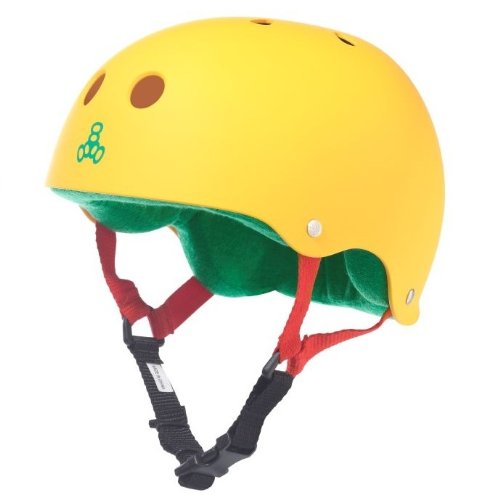
So I started researching, (cuz, yeah, that’s what I do) and found the helmet I wanted. I was crazy ecstatic that it is called a … “Brainsaver“! Ain’t it great? *BEAMS*

Triple 8 Brainsaver Rubber helmet with Liner in Rasta Yellow

I blinged up the helmet with some of my favorite stickers, (I’m a nut for daisies), and now I’m all set for walking. I even fixed the liner where my cochlear implant magnet had a little place to “rest” inside so it would not get pushed off.

I realize my approach to MY LIFE may not work for you. However, I love embracing who I am and holding my head high. I want to be an example to others, but I certainly know and understand that it is “different strokes for different folks”.

I hope I can report this time next year that I haven’t sustained any new concussions. Yay for me, and yay for neurologists who push to get their patients to take their brains seriously.

Denise Portis

© 2015 Personal Hearing Loss Journal