A Whispered Thank You

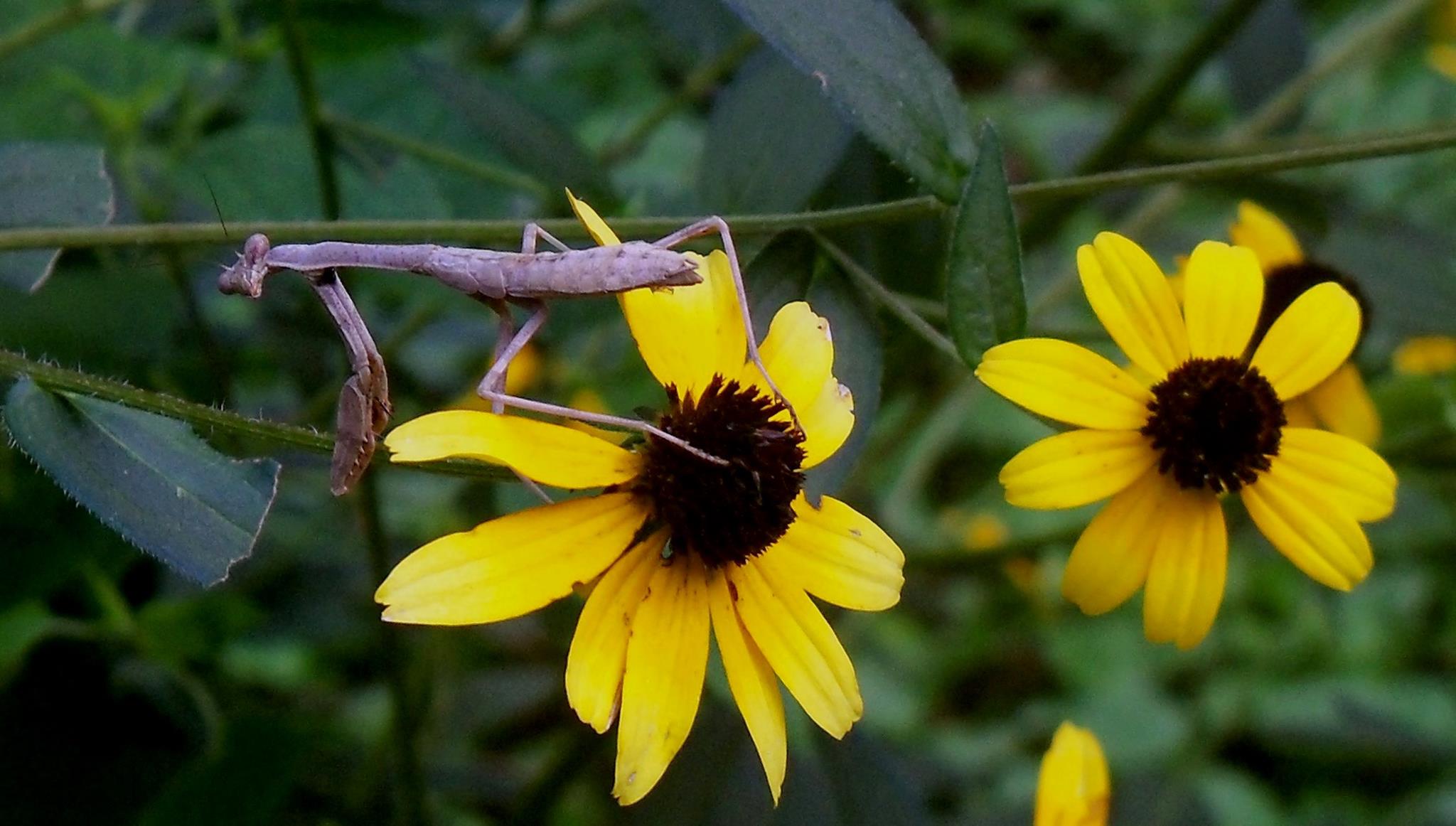
Praying Mantis calisthenics – photograph by Deborah Marcus (NC), friend and nature photographer

Not long ago while visiting in NC, I spent an afternoon with my friend, Deb, at the North Carolina Zoo. Deb takes pictures of life in nature; everything from plant life to animal life (and everything in between). She sees things that most folks miss and often stopped and pointed out things I would have just walked right by as my “notice-er” is out of practice. When Deb takes a picture she always whispers, “thank you”. When I first caught her doing it we were just thrilled and tickled that I was actually hearing her whisper of thanks! Cochlear implant sisters-in-arms, we always celebrate those moments.

However, since my visit I have given her habitual murmured thanks a lot more thought. When I tend to think on somethin’, I ponder, speculate, question, and soul-search. Eventually I write about it – even if it takes me almost 15 months to get around to it!

Like a Dangling Spider Cares?

I have to admit, when I first heard her thank a lily-pad, skimming dragonfly, I thought, “Umm. This critter does NOT care if she thanks it for the Kodak moment or not”. But it’s deeper than that. An attitude of gratitude and respect is cultivated. We certainly aren’t born with it. I remember teaching my toddlers “please” and “thank you”. Sure… some of that can be a learned behavior from appropriate modeled examples. Some folks are just naturally friendly and easy-going. Some walk around like a sour puss (I’ll not mention any names) and thanks is a foreign language. Most of us fall somewhere in between, our emotional health dependent on life circumstances. This is why an attitude of gratitude must be created and exercised faithfully to instill a HABIT.

It starts with the small things. Walking out underneath my porch to dispose of an empty plastic container, I thank the spider who just snagged that mosquito. (No. I haven’t found it in my soul yet to thank any skeeters). I try to thank my family members for doing things – EVEN IF IT IS THEIR JOB TO DO SO. I thank my students for turning their work in on time; or, if late, for eventually turning it into me! I thank the very pregnant, adjunct coordinator for my department, as she certainly has better things to do (like nesting) than to email all of us our reminders for the semester. I thank the person in training at the U.S. Post Office for waiting on me – which they stuttered out a very surprised “Your welcome!”. (Doin’ everything I can to assist in a decrease of “goin’ postal”). I thank the cashiers at the grocery store, Wal-mart, and CVS. (I thank the produce department workers, which is only funny to you if you know me well). I thank my waiter/waitress every time they do the smallest thing for me at a restaurant… even though it is their job. I thank “hound dog” for every task she does for me, which only increases the tempo of her wag. Do you see how far this attitude of gratitude can go?

Sitting with a friend waiting for small group to start one Sunday morning, I startled her by saying, “thank you for being my friend”. She sat there with her mouth hanging open waiting for “more” or for “the other shoe to drop” (like… would you DO THIS FOR ME?) She said, “That’s it? Well gee. I’ve not received a thanks like that in awhile!” I grinned at her but thought, ►well why not?◄  Why do we not thank the folks in our life even when there is no real reason? Keeping it to ourselves doesn’t bless anyone.

“Silent gratitude isn’t much use to anyone.”

~ Gladys B. Stern

Expressing our thanks must be EXPRESSED. William Ward said, “”Feeling gratitude and not expressing it is like wrapping a present and not giving it.” According to “Happy Life U” (you should check it out!) expressing thanks can actually improve emotional happiness.

New research shows that practicing gratitude may be the fastest single pathway to happiness, health, long life, and prosperity. In a remarkable study performed by Dr. Emmons, people who kept a gratitude journal for just 3 weeks measured 25% higher on life satisfaction after wards. They exercised more, drank alcohol less, and their families and friends noticed that they were nicer to be around. And the effects lasted for several months beyond the initial 3 week study. Other studies on gratitude are confirming these results. People who take the time to notice and appreciate the good things that come their way through grace, or luck, or the goodness of others are happier and more peaceful. They do better on cognitive tests and tests of problem solving skills. They practice healthier habits, have better relationships, are more optimistic and live longer. Gratitude is one powerful emotion (Happy Life U, 2011-2012, para. 5).
 

So What Has This Taught Me?

I already explained I’ve been thinkin’ on this topic for better than 15 months. I’ve even followed up with a conversation or two with my friend, Deb, about this which likely has her wondering why this is so important to me. I write a great deal about invisible and chronic illness, acquired disabilities, and living victorious lives in the bodies in which we find ourselves living.

Naturally, I had to research if being thankful could help folks in the community of souls of which I self-identify. Wood, Joseph, and Linley (2007), suggest that gratitude can be a powerful social support tool that folks with disabilities can use to help them. They asked 236 folks with various burdens (disabilities, chronic and terminal illnesses, addictions, etc.) to participate in a study that asked them to keep a gratitude journal. Folks discovered their written “thanks” eventually jumped off their pages and out of their mouths. “Gratitude correlated positively with seeking both emotional and instrumental social support, positive reinterpretation and growth, active coping, and planning” (Wood, Joseph, & Linley, 2007, p. 1076).

Allison Shadday has MS. She believes we need to shift our attention. “Sometimes we all have to slow down intentionally before we’re able to genuinely appreciate the many positive aspects of our lives. If you find yourself feeling critical or negative during the day, take a deep breath and redirect your attention to something for which you’re grateful. Notice if your body becomes more relaxed and your breathing more steady. Tune in to how your attitude shifts when you focus on the sweetness in life. This is living consciously” (Shadday, 2006, p. 51).

It seems… being thankful makes us healthy. More than that… it can make us HAPPY. The recipient of our thanks may not deserve it. They may not look like they need it.

Do

It

Anyway.

I think you will find it can change YOUR life, for the better.

Denise Portis

© 2012 Personal Hearing Loss Journal

Note:  You can “see” and “hear” more from Deb at http://visionsofsong.wordpress.com/

Happy Life U. (2011-2012). New Science of Happiness. Retrieved August, 12, 2012, from http://www.happylifeu.com/Attitude-of-Gratitude.html

Shadday, A. (2006). Embracing an attitude of gratitude. Inside MS, 24(6), 50-51.

Wood, A. M., Joseph, S., & Linley, P. (2007). Coping style as a psychological resource of grateful people. Journal Of Social & Clinical Psychology, 26(9), 1076-1093.
Unexpected Perk, or Bother?

Several of the emails I receive through Hearing Elmo each week are questions about assistance dogs. This week is actually “Assistance Dog Awareness Week“, so I wanted to take a few minutes to talk about life with an Assistance Dog.

The first thing I always tell people who have questions is that if you are not prepared for the fact that an assistance dog will draw attention to you, then PREPARE YOURSELF. More importantly? If you are not comfortable with the attention, then an assistance dog is not for you.

Because I have a hearing loss and because I don’t hear well in stores or crowded places, I am oblivious to all the comments my family members DO hear. “Look at the dog!” “Oh look, a working dog!” “Why is that dog in here?” “Mom, why does that lady have a dog in here and why is it wearing a saddle?”

Assistance dogs lend independence to those who chose to mitigate their disability or illness with these special canines. I never worry about missing a phone call. I can do laundry without assistance from a human family member. I no longer burn supper. I always know when someone is at the door. I can shop and go out in public and never worry about not being able to bend and pick something up – important as I constantly drop things.

Some things you may not know that are actually perks of having an assistance dog?

1. Pre-Chloe, a routine doctor’s visit would result in the 3rd degree about why I always have so many bruises. It can be tiresome to field questions about whether or not I’m in an abusive relationship, when I simply fall or run into things a great deal because of Meniere’s disease. Now, Chloe lends legitimacy to those bruises. She reminds doctors why I have bruises because folks don’t go to the doctor with a dog partner if they didn’t need the assistance.

2. I’m rarely bumped into or shoved out of the way now in public. When you don’t hear well in these venues, impatient shoppers who don’t give a “fig” about why you are standing looking at dancing electronic flowers in the garden department, assume I’m being stubborn about moving to let them by. Now they see Chloe and if she doesn’t notice them and cue me, they carefully maneuver around me.

3. I never receive comments like “It’s a little early to be drinking isn’t it?” or “You should be ashamed of yourself” when I’m seen weaving a bit on rainy weather days (comments that have really been made). In the past, if I slammed into an end cap in a store, those around me assumed I was high or drunk. Now people see Chloe and think OR SAY, “Gee, it’s great she has that dog to help her”.

4. I’ve grabbed onto a fellow client’s scooter before (sorry, John) when I almost fell down. He understood. However, when what you grab is a nearby shopping cart, others aren’t as understanding. I once had a grandmotherly person stick her finger in my face and sternly say, “Let… GO”. I mumbled an apology and went my way. Now that I have Chloe, the most anyone will say in a “near swoon” moment is “Are you OK?”

Assistance dogs help people with hearing loss, mobility issues, seizure alert, PTSD, diabetes/blood sugar alerts, vision loss, balance problems, fine motor skill difficulties, and much more. I hope the next time you see someone with an assistance dog in public that you maybe take a minute and tell them that you think their independence with their canine is a great testament to courageous people. Don’t pet the dog or distract it though (grin).

Denise Portis

© 2012 Personal Hearing Loss Journal

Decisions, Decisions…

For a totally unrelated reason, I was reminded this week that my husband cannot swim. I hate it when a discussion brings up old nightmares about the topic too! Goes to show how much our subconscious is at work… especially when sleeping. Anyway, this conversation about the fact that my husband cannot swim had me dreaming about one of the most terrifying events that led up to my banning him from going into the ocean.

The year was 2001, and my family and I were in Siesta Key, Florida. Terry was taking some classes to finish up his doctorate. Always nice when degree completion requires on-site classes in Sarasota, and you can time it where the whole family can be dragged down with you! Terry wasn’t getting much rest and relaxation. Going to class all day and putting the finishing touches on his dissertation were exhausting. At night he was glad to just catch whatever sunshine was left in the day and rest on the beach while I corralled the kids into a distance I could easily manage their activities.

I’m not sure what prompted a non-swimmer without a life vest to decide to get on an inner tube, launch one’s self into the ocean, and drift off to sleep. He swears up and down he had no idea he’d drift out to sea. After all, when he got past the breakers and could just snooze, the ocean was calm and serene. I’m the one with hearing loss (a fact I’ve made plain on this blog). But exhaustion and FREAKIN’ DISTANCE FROM SHORE will dissipate sound waves and keep someone from hearing shouted warnings; even from hearing ear-drum piercing screamed warnings. That’s right. Picture me on shore with kids, jumping up and down, screaming warnings that a riptide had caught him and he was oblivious to the danger. I remember thinking, “he has the room key around his wrist so I can’t even get into our condo and have one of the kids call my parents to let them know Terry drowned”. Morbid, yes? But I knew Terry could not swim AT ALL. The man cannot even dog paddle (something Chloe has told me since that she’s a little embarrassed about actually).

We may not have been able to attract Terry’s attention, but we did other folk’s. Soon a small crowd of people were whistling and hollering for “Terry!” A man, likely a native, stopped close to me and said something. I could hear the rumble and pitch of his voice. I stopped screaming long enough to sputter, “I have a hearing loss and have to see your face to hear”. So he touched my shoulder to get my attention and said, “He can’t swim? Want me to go after him?” I looked out at my still sleeping husband and agreed immediately. “YES PLEASE!!!!” (At least I’m polite...)

So the man went after my husband. He must have been shouting as he swam, because when he got closer to Terry, I could barely make out that Terry finally woke up. I saw a flail of hands, legs, and arms and prayed he’d hold on to that inner tube! The rescuer had started further up the beach to Terry and I think the tide and his strokes eventually got him safely to Terry’s side. He must have given him instructions to kick, which he did as well along with some steering, and eventually ended up on shore about a mile from where we all started. The small crowd of people had followed the kids and I down the beach. Some kind soul had picked up our things and carried them with us, knowing I wasn’t cognizant enough to even do that.

Drifting Off

A very popular topic for writers who discuss acquired disabilities and chronic illness, is social isolation. Isolation does not happen all at once. It is a gradual process; a series of small decisions and choices that eventually yield a self-perpetuated aloneness. We become “deaf” to the shouted (and well-meaning) warnings of people around us. Can we be rescued? Will we even allow a “strong swimmer” to intervene?

For people with hearing loss, isolation is almost a part of the process of learning to live with it. I know few people who are late-deafened that did not have at least a short period of self-imposed isolation. Why? Well experts have said of the late-deafened, “They no longer felt they belonged in the hearing world, and neither did they belong in the prelingually deaf world. Onset of deafness had left them in a twilight zone between worlds and had robbed them of their identity” (Barlow, Turner, Hammond, & Gailey, 2007, p. 442). Other acquired disabilities can produce the same isolation, however.

Physical difficulties can prevent people with a mobility impairment from creating social networks. Even the weather can keep some folks with mobility issues away from others. If you have a power wheelchair or scooter, you do not want to go out in the pouring rain or blistering heat. Despite the intentions of the ADA, not all places where friends get together are accessible. Whether you are born with some limitations, or acquired them later in life, disabilities or chronic illness may result in feelings of loneliness and isolation, and a lack of access to support information (Matt & Butterfield, 2006).

Not As It Seems

Not all decisions to RSVP to invitations with a “No, thank you” are because of isolation, however. Friends and relatives need to understand and trust that sometimes? Those “no’s” are not a pity party nor decision to pull back. I don’t go to pool parties. I have technology that cannot get wet and a husband who cannot be in the heat because of having one kidney. (And have you picked up yet that THE MAN CAN’T SWIM?) Sometimes there are very legitimate reasons for declining an invitation. A person may not be able to do evening gatherings because they have legitimate needs for an early night. Folks with disabilities and chronic illnesses often require more sleep than the average adult. It is not always possible to nap the afternoon before in order to go to some evening “shin dig”. Some people have to offer late apologies to activities they had planned to go to… but they have a “flare” when it comes time to prepare for an outing of fun and fellowship. The weather gets the final say for some of us. I can agree to go to a “Girl’s Night Out” a week in advance, only to have a weather system move in to where I can barely move in an upright position.

But…

I have also fudged about going to things I really could have had I really wanted to attend. Sometimes we say “no” because that is

EASIER or

HABIT.

We have to learn to police ourselves and ask ourselves some legitimate questions when our first impulse is to decline an invitation.

Social Networks

Nothing gets on this female’s nerves more than when I hear someone ‘pooh-pooh’ social networks like FaceBook, My Space, Blog networks, online support groups, and message boards and forums. I have heard holier-than-thou folks spout that these avenues “aren’t real people” and therefore are not “real relationships”. Drs. Patricia Obst and Jana Stafurik refute this much better than I can. “Online we are all able-bodied“. Online there is a “psychological sense of community and social support found through membership of disability-specific websites” (Obst & Stafurik, 2010, p. 525). These researchers looked at 160 different individuals who had various disabilities or chronic illnesses. “Results indicated that users did receive moral support and personal advice through participating in such online communities. Further, results indicated that online social support and feeling a sense of community online were positively associated with participants’ well-being in the areas of personal relations and personal growth” (Obst & Stafurik, 2010, p. 526).

I am always thrilled to have guest writers here on Hearing Elmo. (Interested? Email me at denise.portis@gmail.com). This forum has provided information and support to individuals “living it” and to family members and friends for information. I have been invited to write in other forums and welcome the opportunity. Ever heard the phrase, “dissemination of information”? The Internet makes us equal. It provides an easy, inexpensive way to find support, learn, advocate, and connect.

It can also serve as an avenue in which a warning comes through loud and clear… even to those of us who are late-deafened.

Are you avoiding outside activities?

Are the reasons you are doing so legitimate?

Are you connecting with others?

Are our decisions prompted by necessity or the result of anxiety, depression, and an attitude of giving up? These are important questions to ask ourselves. Please don’t find yourself adrift on an ocean with the shore out of reach. Ask for help. Discover a hero swimmer on their way to rescue you.

Denise Portis

© 2012 Personal Hearing Loss Journal

Barlow, J., Turner, A., Hammond, C., & Gailey, L. (2007). Living with late deafness: insight from between worlds. International Journal Of Audiology, 46(8), 442-448.

Matt, S. B., & Butterfield, P. (2006). Changing the disability climate: Promoting tolerance in the workplace. American Association of Occupational Health Nurse, 54, 129–134.

Obst, P., & Stafurik, J. (2010). Online we are all able bodied: Online psychological sense of community and social support found through membership of disability-specific websites promotes well-being for people living with a physical disability. Journal Of Community & Applied Social Psychology, 20(6), 525-531. doi:10.1002/casp.1067

Attracting More Flies

Photo by Deborah Marcus, February 22, 2012, North Carolina

I just purchased a book through Amazon, Benjamin Franklin’s “Poor Richard’s Almanack”. I’ve always enjoyed books like these and have seen a number of quotes from this book over the years.

One American proverb from this book that many people have heard has to do with honey.

and vinegar.

and flies.

 Benjamin Franklin, “Tart words make no friends; a spoonful of honey will catch more flies than a gallon of vinegar” (Franklin, 1980).

When I first heard this quote I remember thinking, “Well who in the heck wants to attract FLIES”? Having grown up on a farm in SE Colorado, I can tell you that flies were a problem. The animals hated them, farmers hated them, and children relegated to policing the house with fly swatter and tissue in hand hated them!

However, like many quotes, you have to look past the surface to get at the true meaning. Gee, had I known vinegar would have kept them away I may have started sprinkling it around and dabbing it behind my ears.

Ok. Maybe not.

We don’t need to go raid our friend’s hives for honey, either. This quote has to do with being tactful – on purpose.

You know what I’ve discovered? To be tactful, I DO have to be purposeful about it. It is super simple to be tactless. Especially when angry! I’ve learned that if I’m to be tactful, thereby attracting more attention with my “honey”, I have to set out with very real purpose ahead of time. It seems we were created to have a lot of excess vinegar on hand.

Tart Words

I think a lot of folks do not realize that the quote begins with, “Tart words make no friends”. Last week I received a lot of private responses about the post “A Special Kind of Stupid“. Some things people with disabilities shared with me made me very upset. You just would not believe some of the things that “normal” people say to folks with invisible illnesses or disabilities. Then again, if you follow “Hearing Elmo”, perhaps you would believe it as you likely have some connection to the disability or chronic illness communities.

Though it may be difficult, we really have to remember to put a cap on our – erm – vinegar when responding to some of the stupid things we hear in our day-to-day lives.

No, She Is Really Unhappy

Take an example from last week in “A Day in the Life with a Service Dog”. At Walmart, as per my usual mid-week major errand, Chloe and I ended up attracting some attention. As I outlined in an article for Gale Hannan at “Hearing Health Mattters“, if you don’t like attention then do not mitigate your disability with an assistance dog. You are going to attract attention. It becomes easy to ignore and if you are deaf like I am, you don’t even hear all the exclamations of surprise. However, sometimes I’m stopped. Dog-lovers like Walmart… or so it would seem. Most of the time I am very glad to stop and answer questions. I carry information about hearing dogs and balance-assist dogs with me for opportunities just like these. I’ve discovered, however, that if I stand around TOO LONG, folks begin to unplug their brains before asking questions. There is this “fine line” of how much time is “long enough”, prompting me to move on with my shopping. I evidently have not discovered that important timeframe yet. As I answered this lady’s reasonable questions, a lull occured in our conversation. That should have waved the red flags for me. Heck I’d take explosions in my underclothes if I could learn to pick up these cues.

But nope.

I stuck around too long.

“So does your beautiful service dog ever get to just be a dog? Does she ever get to play?”

Vinegar began pooling under my tongue. Chalk it up to living with a house full of very sarcastic people. I wanted to say, “You know? As a service dog she needs to earn her keep. The vest comes off at night and she is allowed to finally rest. She’s a working dog – not a playing dog. It wouldn’t do me any good for her to go around thinking she could ever play, right?” (said with saccharin sweetness).

Tactful Responses Ultimately Educate

Instead I swallowed the vinegar (grimace) and plastered on my best “WHAT A TERRIFIC QUESTION” face and replied, “Well she is a dog! She is a beloved member of our family. She gets play breaks at work and doesn’t actually wear her vest at home. She still does alerts and helps while at home, but she is off duty more than she is “on”. A healthy service dog is allowed to just be a dog. That is why she loves working for me. I set very realistic boundaries and expectations”.

Being tactful and pleasant is important if I’m to hope that I play even some small part in helping to educate others about hearing loss, balance disorders, and service dogs. If I’m angry and belligerent, I’m not going to “win friends nor influence people”.

And neither will you.

However…

Is It Ever OK to “Let ‘er Rip”?

I have lived with hearing loss and balance issues more than half of my life now. That means I have some experience. That does not mean that I do everything right. Folks ask me from time to time when it is OK to put others in their place.

We can’t exactly take out a megaphone and announce to everyone within earshot, “This person just said something STUPID”.

To demean others is never the right way to go. For one thing, it only makes US look bad. You certainly won’t promote education, compassion, or understanding in others if you deliberately embarrass or fuss at them. Having said that, I do believe that there are times that responding with sweetness and “honey” may not be the right answer. After all, it may be that you no longer WANT to attract that particular person who simply cannot and WILL not treat you like a normal human being. I believe the right time to load your water pistol with vinegar occurs when:

1. You’ve responded the right way over, and OVER again.

Maybe it is a family member that thinks their comments are funny. Maybe it is a co-worker whose remarks border on the unkind. At some point you may discover that the only way to educate someone is to be a little more FRANK – pardon the pun Benjamin Franklin!

Tired of the eye rolls and deliberate condescending response at a dinner table of “I’ll tell you later” after asking for a second repeat of what someone said? Perhaps it is time you gently laid your hand on their arm and said in a normal tone (for they likely do NOT have a hearing loss), “You know? It hurts my feelings when you say that and sigh and roll your eyes. I only want to hear what you said. You never actually remember to tell me later what it was. Don’t blow me off. What was funny? I want to participate in your life. I care about these moments and we will never re-live them or have them as “do overs”. I want to know what you said because I love you”. Others at the table may have grown quiet at this calm announcement. But that can work in your favor too. Sometimes educating others occurs by observing someone else getting educated. You may have let a little vinegar taint what you said. A little “sting” may be necessary to get through to calloused hearts.

2. You respond in defense of others.

Sometimes you may need to put up the honey aside and gear up with vinegar in order to stick up for someone else. I’m much quicker to speak up to a bully when the person being picked on is NOT ME. This has to be done carefully, however, as you do not want to take away an opportunity for someone else to stand up for themselves. When you live with disability, chronic illness, or invisible differences, you need to learn to be as independent as you can. It is healthy. You may need assistance in technology, puppy power, or by swallowing your pride and learning to ask for help.

However, there are times I believe, that we should step up and even figuratively lock arms with another who is being misunderstood to let them know they are not alone, and let a bully know they are being irrational – or STUPID.

We Won’t Always Do it Right

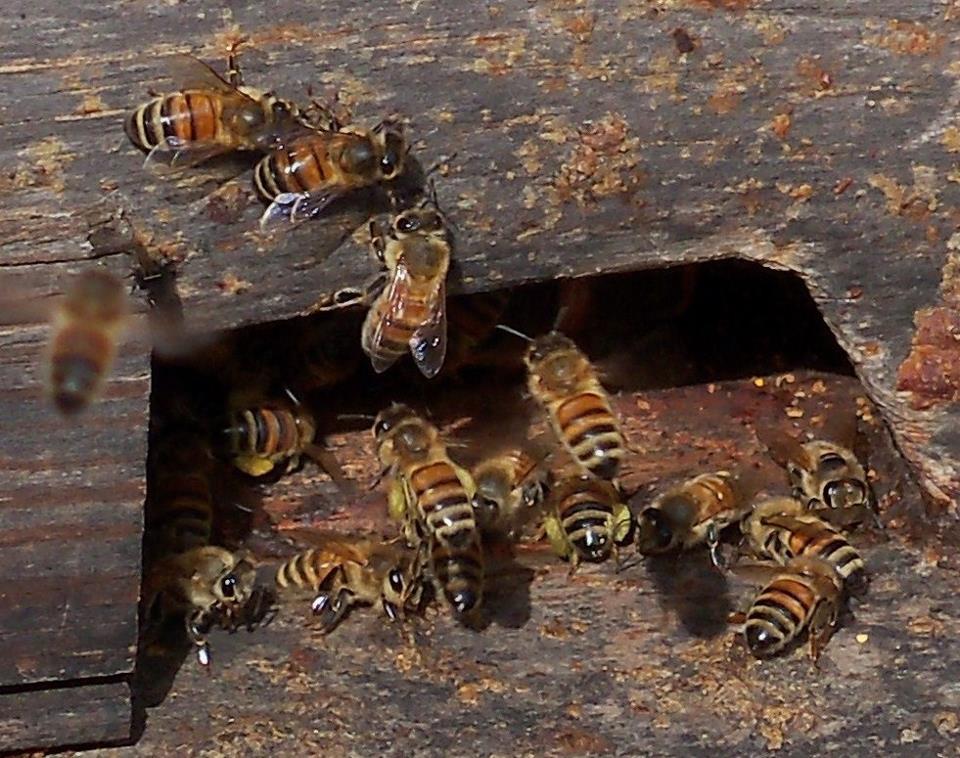
I can be a sour puss. Vinegar is more likely to run through my veins than honey. I’m allergic to bee stings.

Sometimes I blow it. I respond as if I don’t care if someone better understands disability and hearing loss. As a person of faith, I know this dishonors not only me, but also God. I have learned to say “I’m sorry” – and really mean it. Acknowledging that you aren’t feeling well today and mis-spoke or are feeling belligerent and should have kept your mouth shut shows maturity. Did you blow it? Well make it right. You know what to do.

Franklin, B. (2007). “Poor Richard’s Almanack”. Skyhorse Publishing, Inc. New York : New York, p. 44.

Denise Portis

© 2012 Personal Hearing Loss Journal

A Special Kind of “Stupid”


On Monday evening, May 14th, David Walters of Bel Air, MD, pulled a fire alarm in  a crowded theater. He was issued a criminal summons the following day and faces a $5,000 fine and up to 5 years in jail. You can read about the story HERE. More on the story HERE.

It seems David was upset that the movie was open captioned for patrons who are deaf or hard-of-hearing. Specific movies (identified at the ticketing counter) allow people with hearing loss to enjoy newly released movies on the big screen. It allows equal access. Sure… we can purchase the movie later after it goes to DVD and watch it at home. But who wants to miss out on the buttery popcorn, movie candy, cherry Icee‘s and being with friends and family at the theater? Nothing beats the big screen! David marches out and complains – evidently loudly. He is offered a refund which he refuses. He goes back in to finish the movie. When finished he comes out again and loudly complains – now demanding a refund. When denied (because he went back into the movie), he gets angry and pulls the fire alarm. This shuts down all the theater’s screens and panics movie goers.

This is a special kind of S.T.U.P.I.D. When I first read about this story, I have to admit. I had some “AVENGER” feelings going on in my own heart and mind for this idiot. I thought, “Wow. If he could live one day in my shoes. It would be poetic justice for him to lose his hearing someday!”

Deaf For A Day

Because I live with both deafness and a balance disorder, I can tell you honestly that really? I wouldn’t wish deafness on anyone. Yeah. This jerk probably deserves it, but hopefully what he’ll get is justice. I hope because he endangered so many people that they make an example of him. I hope everything was done correctly in his arrest so that he doesn’t get off on some kind of technicality.

Each year I ask my students in my ASL1 class to voluntarily participate in a “Deaf For a Day” assignment. Later, they write about it. Most “get it”. They understand what the assignment was about and why they are asked to participate. Each year, however, I have either a student or two, or a parent or two, very disgruntled about the assignment. In the follow-up writing assignment, some disclose how poor of attitudes family members had because they were unable to communicate with their student in a “normal” way.

Yes.

I like to think that should something happen to their child and they lost their hearing, these parents would do all that they could do to be supportive and loving in the transition to a new way of communicating. They may not use ASL even, but technology is not a 100% fix. Even cochlear implant surgery is not 100%. I’m bi-modal (both cochlear implant and hearing aid) and although I hear really well, I still am considered a person with hearing loss. There are times I have to ask for a repeat, or ask someone to follow me to a quieter location.

Put Yourself in Their Shoes

Before you think to yourself that you would never be this “special kind of stupid”, consider this.

Have you ever parked in a handicapped space to save time because you were only running into the Post Office for 5 minutes?

Have you ever sat at a table clearly marked for handicapped patrons at a local fast food place because there were no free tables, and then failed to keep a look-out for anyone coming into the establishment that may need that table?

Have you ever reached to pet a service dog without requesting permission of it’s owner?

Ever felt exasperated (and let it show) while waiting in line behind a mom with a child with autism or other special needs who was having a meltdown?

Have you ever felt impatient as someone with mobility issues that fumbles and drops items while you are waiting in line at the cashier?

Ever see someone stumble or walk funny and immediately think they’ve been drinking instead of thinking they may have a balance disorder?

Ever honked your horn and grimaced at an elderly driver who cautiously entered a very busy intersection during peak rush hour?

Not understanding what chronic fatigue syndrome, fibromyalgia, or Lyme disease actually are, have you inwardly cringed and rolled your eyes while listening to a seemingly endless list of complaints about pain from a co-worker, fellow church member, or acquaintance?

Ever see someone mistreating a homeless person or person with mental illness and not intervened?

Ever stepped into a handicapped stall in a public restroom because the others were full? Exactly how are you going to know someone is there who needs it when you are actually in there doing “business”?

You may not be pulling fire alarms and endangering hundreds of people, but you are still choosing to be a part of this special kind of stupid group. I’ll admit that I’ve made some of these mistakes myself. We all have.

I’m asking that all of us take a minute, however, to think about how we can do better. I don’t know about you, but I don’t want to be a special kind of stupid.

Ever.

Let’s love our fellow man, offer a helping hand when we can, and smile at someone just because it’s Monday. Buy a cup of coffee for the next person in line. Hold the door for someone.

Maybe.

Just maybe…

it will be contagious.

Denise Portis

© 2012 Personal Hearing Loss Journal

It is Easier to Act Your Way into Feeling…

Things will get better…

Our pastor at Weem’s Creek has been going through the story of Elijah. Interesting guy, this old testament prophet, Elijah. Through him, God shut off the rain for a long period of time. He put the false prophets of Baal to shame by having his own sacrifice (soaked in water) eaten up by fire called down from Heaven. But… Elijah could be a whiner.

Not only could the man whine, but he could exaggerate as well. After a particularly spectacular display of God’s might – working through Elijah – he claimed to be all alone and the last of his kind (a prophet). Neither were true. Elijah became depressed. God decided to force him into action, and it eventually changed his outlook.

Pastor Orr used a quote, “It is easier to act your way into a feeling, than to feel your way into an action”. I looked all over the Internet for who actually said that. Although I found plenty of examples of people USING the quote, I was unable to actually find who said it “first”.

This quote really hit home for me. I was contacted this last week by a man who follows my blog. I asked his permission to share part of that email.

“I can know that I need to change my attitude about my disability, but knowing and doing are two different things. How do you get to where you know your life is not over after acquiring a disability when you are stuck on thinking your life is over?”

I’ve been very open about my own struggles with depression. Would I have struggled with depression had I not begun to lose my hearing at the age of 25-years-old? Very possibly. But I do know know that there is a correlation between depression and disability. Research has shown that the degree of depression in people with disabilities is directly connected to their own personal acceptance of their disability (Townend, Tinson, Kwan, Sharpe, 2010). You need to accept your “new normal”. I DO realize it is easy to say, but there really IS life after disability.

I realize we all struggle with different things. Some chronic illnesses and disabilities impact important life functions such as mobility, independence, and quality of life. Being late-deafened is minor to having Meniere’s disease in my own life. As a matter of fact, my husband noted recently that Chloe does just as many balance-related tasks as she does hearing alerts (if not more) – and she is a certified hearing assistance dog. When we have a major weather system stall out over the top of us (my main vertigo trigger) I can really struggle to even get up the nerve to leave the bed in the morning. And let me tell you… it can require nerves. A recent fall left me black and blue from shoulder to hip, with an anxious husband trying to decide whether or not to call 9-1-1 as I kept losing consciousness. (Life with Denise can be exciting – grin). However, when the sun shines, my balance related symptoms are minor. I’m very aware there are courageous (and inspiring) people who do not get “sunny days”. They do not have a break in the degree of disability that directly influences the quality of their lives. Acceptance for them is different and I acknowledge may be more difficult. Regardless, one does have to accept where they are in terms of a “new normal”.

Did you know that acceptance of your “new normal” can not only influence depression, but being depressed can actually worsen your disability? I have personal experience with worsening hearing, balance and vertigo when I happen to also be in a downward spiral in depression. Karp, Skidmore, Lotz, Lenze, Dew, and Reynolds (2009), found that symptoms of specific disabilities actually worsen when the individual is also depressed, stressing that depression needs to be taken seriously and treated. I have a number of red flags that I have set up to determine if I am becoming depressed. I know and have experienced the dangers of depression. Having a “blue” day or two is different than depression. Having lived with it, I know what it “looks” like and stay on the look out for specific clues that tell me I need to seek help.

Living with “It”

One really CAN live within a “new normal”. This may mean a acceptance of a  change in your health. Perhaps you are single when you thought it would be “til death do us part”. Death may have indeed parted you from someone you counted on emotionally and physically. So how do you accept where you ARE, and move on to living a victorious life? I truly believe we have to simply take action. Our “feelers” cannot really be trusted. Don’t get me wrong. I believe compassion, mercy, and love are important. But our hearts – our “feeler” – cannot provide a new, healthier way of acceptance.

What kind of actions can we take? Many of us become involved in organizations that provide support for a specific disability we may have. Within these types of organizations, there are numerous ways to get involved. The Internet makes this connection simple. There are a number of community service projects that can use the help of volunteers. Even small communities have opportunities for service. Some people with disabilities prefer to be involved in areas of service that are not directly related to their disability. If you want to take action and get involved in helping others – LOOK. The opportunities are there. Giving back to others is a primary way in which people feel valued and useful. Getting active in giving back to our communities may actually change the way you FEEL about your own disability. We need a purpose.

Leo Rosten

“I think the purpose of life is to be useful, to be responsible, to be honorable, to be compassionate. It is, after all, to matter: to count, to stand for something, to have made some difference that you lived at all.” —Leo C. Rosten

Denise Portis

©2012 Personal Hearing Loss Journal

Karp, J., Skidmore, E., Lotz, M., Lenze, E., Dew, M., & Reynolds, C. (2009). Use of the Late-Life Function and Disability Instrument to assess disability in major depression. Journal Of The American Geriatrics Society, 57(9), 1612-1619. doi:10.1111/j.1532-5415.2009.02398.x

Townend, E., Tinson, D., Kwan, J., & Sharpe, M. (2010). ‘Feeling sad and useless’: an investigation into personal acceptance of disability and its association with depression following stroke. Clinical Rehabilitation, 24(6), 555-564.


If Fish Aren’t Stupid…

I love it when I learn something new. Even when that learnin’ means that it contradicts something I previously thought was true. I grew up on a farm/ranch in SE Colorado. The families I knew, including our own, had all kinds of animals. Common critters included horses, cows, pig, sheep, chickens, turkeys, peacocks, ducks, geese, and even a llama or two! Something you didn’t see a lot of in the family rooms of various ranch houses were aquariums. We had some big ol’ goldfish that grew to an astonishing size in the cow tank near our house. What was even more astonishing than their size is that they survived the frozen tank winter after winter. I can’t remember who first told me that fish are stupid. This was long before “Finding Nemo” even came out in theaters, with Dory convincing us all once and for all that

fish.

are.

stupid.

After I went away to college and married a city boy, I actually lived in town big enough to have cable television. I found that I had a lot of years of catching up to do on Animal Planet, the Discovery Channel, and many other educational animal shows. However it wasn’t until my daughter’s boyfriend – the one who happens to know all there is to know about owning a freshwater tank – put up a couple of aquariums in our home on behalf of beloved daughter, that I began to see freshwater fish up close and personal. As a matter of fact a big 30 gallon tank sits behind my desk, so it is pretty hard to miss the freshwater angelfish swimming around the tank. I very soon discovered that my preconceived notion about the stupidity of fish was – well – WRONG. They really do NOT have 30 second memories. They are affectionate, can remember the easiest “trail” through the freshwater plants to circumnavigate the tank, will follow a person around the tank to “beg” for food, they can be aggressive and yet can be tame enough to actually take blood worms from your fingers. They will live in harmony with other types of fish (but not all), and seem to actually play with each other occasionally. Don’t get me wrong. I’m not ready to whip out an IQ test to see how they fare, but I really no longer believe that fish are stupid.

Other Wrongs – Now Corrected

I just turned 46-years-old this week. That is really hard for me to wrap my mind around. I remember when my mother turned 46-years-old, I was a very young and immature 23-years-old. I remember filling out her birthday card to send from my little apartment in Chattanooga to her “home on the ranch” in Colorado and thinking… “Wow. Mom is O.L.D. She is definitely entering her “senior” years now.” I’ve got to tell you now that I’m 46-years-old myself? Well, let’s just say I want to open mouth – insert foot.

I also grew up with very limited experience with any person with chronic illness or invisible disabilities. I did not have very much experience with people with even visible disabilities. Growing up in a small farming community limits one in that way I guess. It wasn’t until I became deaf and developed Meniere’s disease that I first really began meeting people of all kinds who are “differently abled”. Having an acquired disability today is much different than it use to be simply because we have the Internet that connects us to each other and to a wealth of information as well. I grew up believing that people with disabilities were to be pitied. Knowing what I know now about a community of which I am proud to be a part of, pity is the last thing any of us want. I’m constantly amazed by the perseverance and strength that I see in people with all kinds of various “differences”. I hate to even use the word disability, but it is the language present in our current laws that protect the rights of those who have them. A fellow client from Fidos For Freedom, Inc., first introduced me to the term “differently abled”. I find that this phrase much more accurately describes those who live a victorious life despite any physical, mental or emotional differences they may have. Through networks such as the Hearing Loss Association of America, Cochlear Americas, Invisible Disabilities Community and Invisible Illness Awareness Week I have learned that having invisible issues also creates incredible strength and depth to the human soul. I’ve met some wonderful people who have taught me how to navigate life with grace and a “can do” attitude.

I’ve learned that all of us should “check our preconceived notions” at the door. Assumptions are a discriminatory lot. I do have to admit to also enjoying lessons learned from erroneous stereotypes. After all, that means I’m still learning. You can teach an old dog new tricks! After all, I’ve learned that fish aren’t stupid…

Denise Portis

© 2012 Personal Hearing Loss Journal

It Ain’t All Good

George Dawson, “People forget that a picture ain’t made from just one color. Life ain’t all good or all bad. It’s full of everything.”

I didn’t write last Monday. I almost let yesterday (Monday) go without writing as well. My reasoning was “why write when I feel so awful”? Sometimes I feel like I owe my readers and peers the truth… but only if it is pleasant and encouraging. When things are not going so good? Well… I’m less certain about how healthy it is for ME to write about it, and risk losing YOU as “compatriots in the ranks”. Right now, “life ain’t all good”. But because it is also “not all bad” I decided to write anyway.

Some things are changing for me. Not good changes. There are things going on that involve other people, so I cannot discuss it. But there are things going on with “just me” that I DO have the liberty to discuss. So I will. If you tuned in to get a dose of the warm fuzzies – this isn’t the post you want to read.

Tell Tale Signs

I have an incredibly bad habit of ignoring the obvious. Perhaps it is a defense mechanism or a form of denial. When something is scary or unpleasant I will push it down and pretend “it” doesn’t exist. I tell myself what my mother always tells me, “Don’t make a mountain out of a mole hill”. Problem is… sometimes it IS a mountain and not a mole hill.

Life can be hard. I have friends who have lost loved ones recently. I have friends who have been diagnosed with scary-sounding diagnosis, some having a good prognosis and some a dire one. I have friends who have close family members battling major health problems. I have friends who are having financial crisis that will change the course of their life and the life of their families. I have friends with children in trouble. I have friends who have been told to plan their funeral. I have friends who have been betrayed and used.

Makes it sound like I have a lot of friends, doesn’t it? (GRIN) One tremendous PLUS of my now, 9-year-old blog, is that I have met a great number of people “virtually”, and literally as a result of my going public with what it is like to live with hearing loss, invisible disabilities, and an incredible canine partner. I have been blessed with guest writers and friendships that have developed as a result of “Hearing Elmo”. You, the reader, have been a source of encouragement to me, a source of advice, and even a source of constructive criticism when I desperately needed it. I am thankful for the sense of “community” the Internet and blogs have given those with disability and invisible illnesses.

Sometimes I ignore tell tale signs in order to “deal with it”. Yes, I know that isn’t healthy but I’m just tellin’ it like it is. Folks who do not have disabilities still live in a body that ages, changes, and may face both minor and catastrophic health problems. However, people with disabilities, those who have learned to be “differently abled”, also sometimes face these same health problems. I’ve often wondered that if certain disabilities make one more prone to health related problems. For example, if you have arthritis, fibromyalgia, or chronic fatigue syndrome, perhaps you’ve put on some weight because you cannot easily exercise or lack the strength and energy to do so. As a result, diabetes or heart disease are now knocking at your door. If you have paralysis or problems with mobility, perhaps you have also developed circulatory problems. I am late-deafened and have Meniere’s disease. I actually hear voices really well in “prime” listening environments, and even do fairly well in really noisy environments with poor acoustics. I fall a lot though. When I do, I normally hit my head. Usually it is just an “ouch” moment where I rub the sore spot and go on about my business.

However, in the last year I have woken up a couple of times now – sprawled out in a heap with my dogs curled up asleep next to me. One time, a matter of hours had to have passed because it was much darker outside by the time I came to. I discuss these things with my husband and um – sort of with my doctor. I have a feeling that I’ve bumped my noggin’ often enough in my adult life, that there may be consequences to that. Thankfully, I’ve learned what a lot of my triggers are and can identify 95% of the time when I need to sit down,

NOW

no matter where I’m at

or who may be watching

or what I may be sitting in.

My eye prescription has changed 3 times in the last 11 months. Most mornings I wake up and my extremities are numb. On really bad days, I still cannot hardly feel my fingers well enough to type by my afternoon classes. I’m having all kinds of “female issues”. My balance is worse than it ever has been. Much worse. I have tried to tell myself that I am stumbling more because I’m older. I turn 46-years-old this month. I’m very good at justifying things! Don’t we tend to do that when something is “off”? My doctor is working with me. When classes are over in May I will be busy getting a lot of tests. Fun, fun (rolls eyes).

But Gee… It’s Not Fair

I don’t care who you are. The old adage, “when it rains, it pours” is only positive to a farmer. No one likes change. Nobody likes problems. No one embraces tragedy. We may have a “Bad News Not Welcome” here sign on our house door. Heck… it may be tattooed on your forearm. That doesn’t mean that bad things are not going to happen.

Life is just not fair, is it? I mean… we don’t get what we deserve when we’ve done something right. And dang, if we don’t get what we deserve when we do something WRONG.

Oscar Wilde: “Life is never fair, and perhaps it is a good thing for most of us that it is not.”

Bill Gates: “Life is not fair. Get use to it”.

(Unknown): “Expecting the world to be fair to you because you are a good person is like expecting the bull not to charge because you are a vegetarian.”

Matthew 5:45b: “For he makes his sun rise on the evil and on the good, and sends rain on the just and on the unjust.”

Most of you have already learned that life isn’t fair. We deal with it. We have to do so. There are no real alternatives.

We adjust.

We learn.

We fight.

We will lose and we will win. Regardless we DO deal with it. That can mean we do so successfully and with pizzazz. It may mean we do so poorly and like a drowning victim, struggle and pull others down with us. We always have choices. Maybe not about what we get to handle, but HOW we will handle it.

Recently while shopping at the mall with my husband, he said, “Do you realize that in 2007 you trained for a hearing dog because you needed one. Now Chloe performs more balance-related tasks for you than she does hearing alerts. What does that mean?”

Well it means that I’m changing. Thankfully, dogs are smart and so are the trainers at Fidos For Freedom. You really can teach an old dog “new tricks” – or skilled tasks.

More Than You Can Handle

Don’t you hate it when you are going through something hard and someone tells you, “God won’t give you more than you can handle”? Seriously? I mean… for most of us determination, will-power, and a fighting attitude gets us through. For those like myself who consider themselves a person of faith, we rest in the knowledge that He’s got this… and He’s with us. That doesn’t mean He’s gonna bail us out and smooth the way.

My cousin, a breast cancer survivor, blogs a great deal. I always look forward to reading her posts when “Google Reader” lets me know something new has been uploaded. Recently, she wrote “A Hard Place”. She quoted from a book called, “Kisses From Katie” by Katie Davis. I wanted to share that excerpt with you:

“Remember, God will never give you more than you can handle.” People repeat this frequently; I heard it when I was growing up and I hear it now. It is meant to be a source of encouragement, and it would be if I believed it were true. But I don’t. I believe that God totally, absolutely, intentionally gives us more than we can handle. Because this is when we surrender to Him and He takes over, proving Himself by doing the impossible in our lives. I have learned to accept it, even ask for it, this “more than I can handle.” Because in these times, God shows Himself victorious. He reminds me that all of this life requires more of Him and less of me. God does give us more than we can handle. Not maliciously, but intentionally, in love, that His glory may be displayed, that we may have no doubt of who is in control, that people may see His grace and faithfulness shining through our lives. And as I surrender these situations to Him, watch Him take over and do the impossible, I am filled with joy and peace–so much more than I can handle.”

I’m not a brave person. I’m not going to ask God to give me more than I can handle.

I’m a chicken.

a wuss.

a weakling.

You don’t have to ask God for ANYTHING though, and you still are going to get a dose of LIFE. And so I’m back around where I started. Life ain’t all good.

But it is not all bad.

And so we carry on…

Denise Portis

© 2012 Personal Hearing Loss Journal

Time Off

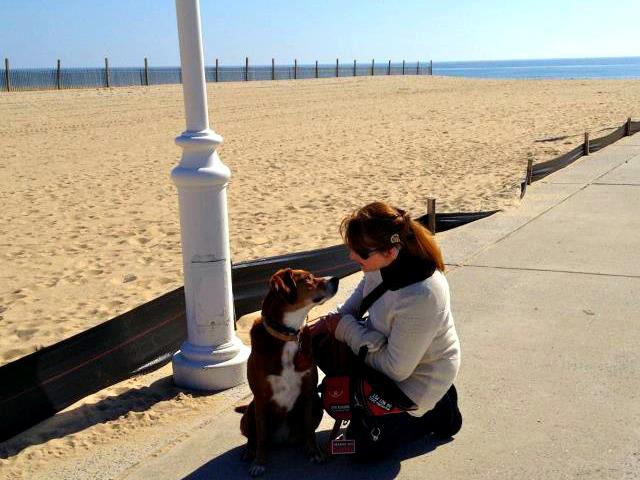
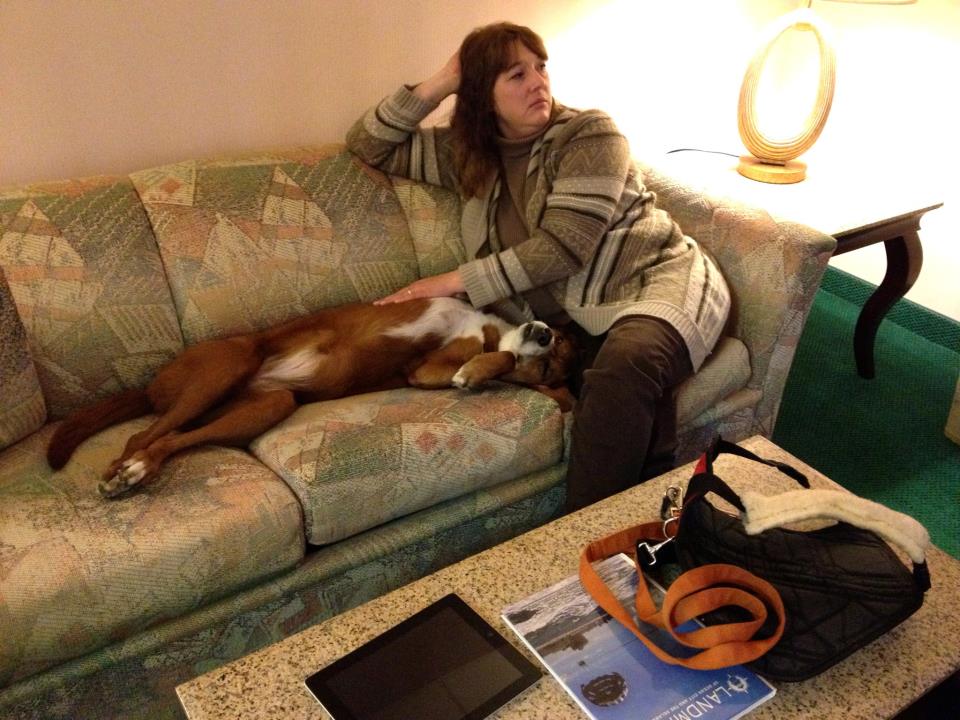
Chloe's vest comes off and she gets the "beach rules" from Denise. Unaccustomed to being "vestless" in public, she was very attentive and unsure in the beginning


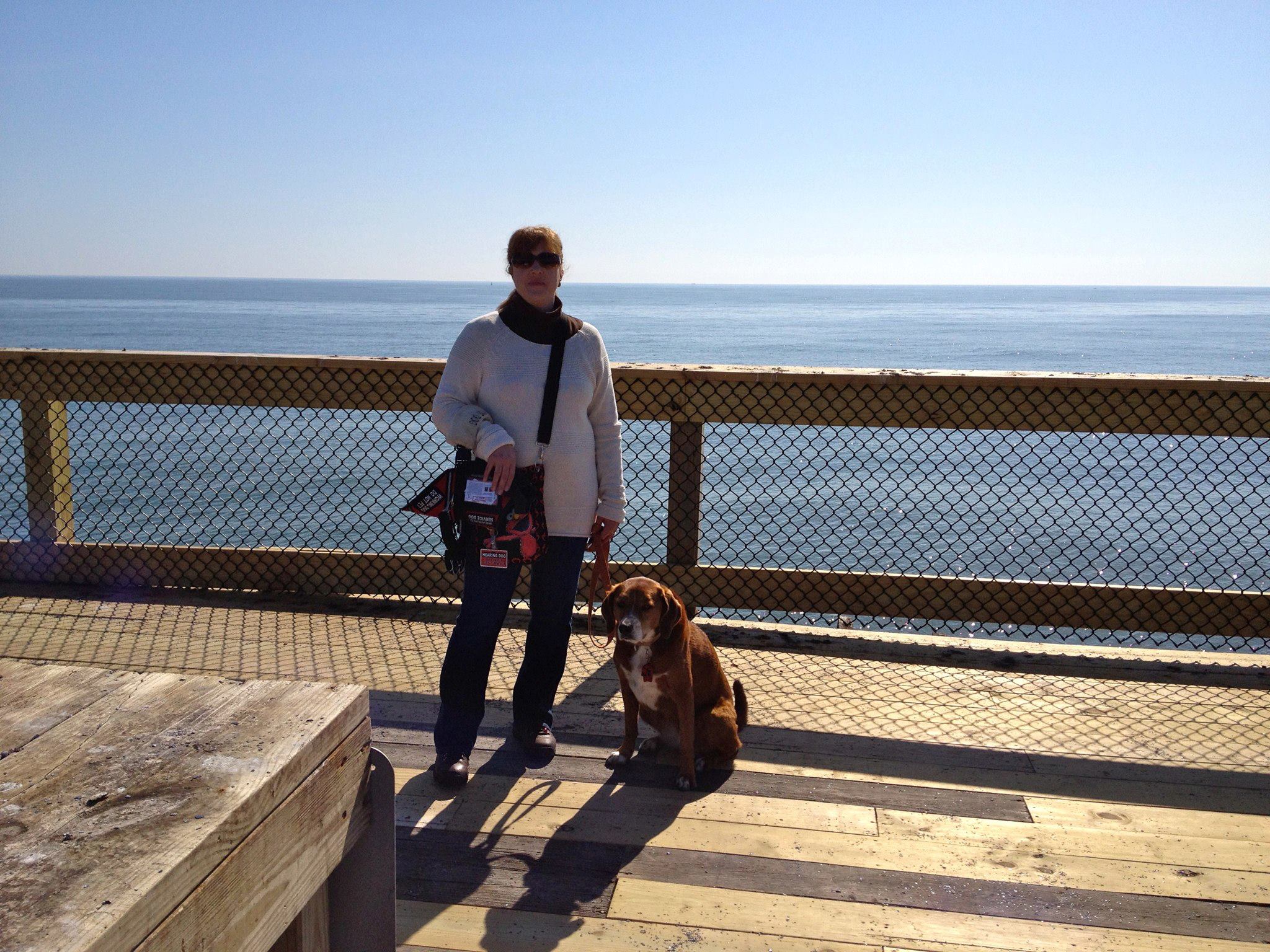
As a surprise, my husband reserved a couple of  nights in a motel at Ocean City, MD, while we were on spring break from work. (One of the perks in working for a college). Apparently March is the time to go if you are not a crowd lover – or “sun” lover. Too cool to lay out or play in the surf, but beautiful weather for walking and many opportunities for quiet time.

Chloe is normally “working” when she is in public. Determined to give her some time to just be a dog, I removed her vest for large amounts of time. She was at first a little timid about being without her vest. Once she saw some other canines on leash though, the wag was back in her tail. Even working dogs need down time. People ask me all the time if Chloe gets to relax. I always have to grin. Chloe is almost 8 years old and at home? Well, let’s just say she knows how to relax. She doesn’t wear her vest at home, but she still alerts to timers, my phone, or my name being called. But she naps (and snores), she plays with her buddy, Tyco (our family dog), she has several squeaky toys, she squirrel watches, and eagerly awaits family members coming home.

Chloe enjoys working though. She danced her way on campus just this morning and wagged her way all the way to the elevator. Sometimes I wish some of her “wag” would rub off on me as 7 AM classes on Monday seemed awfully early to me after a week off!

Everyone needs time off. It can be hard to do if you are working to pay bills, save money, or try to get out of debt. But time off can be in small, “mini” vacations. Even an hour or two here and there can be very beneficial in helping a person re-group.

People with DisABILITIES Need R&R too!

I have met a number of people with various disabilities that have confided that they rarely do what others call “fun” things. Think about it for a minute. If people who walk without assistance, hear without assistance, see without assistance, and speak without assistance enjoy things like movies, walking, reading a good book, or hanging out with friends, well? It just may not be that easy for others.

I like going to the movies. I went to see “The Hunger Games” over spring break with my husband and 21-year-old son, Chris. But I don’t get the same level of enjoyment out of movies that they do. Even with Chloe by my side, I am very disoriented in the dark, especially if my cochlear implant is picking up the very loud commercials and previews on the screen. As I make my way to a vacant seat, I am often fighting the effects of vertigo. After I get seated – hopefully in a place where people won’t have to crawl over my assistance dog and I – it takes a number of adjustments to find a good program on my CI to best hear the movie. If I do that, I sometimes find it difficult to converse to the person right next to me too. At times I miss things said in the movie. If I’m with someone I know well, I’m not bashful and will lean over and ask, “What did they say?” There are not any captioned theaters close to my home (although I am glad there are some within an hour’s drive), so most of the time I go to the same movies you would attend. However, not having captions mean I have to really pay attention! Can I just be honest and say that I’m unable to eat popcorn and catch an on-screen conversation at the same time? (BIG GRIN). I have to really focus and concentrate to understand what is going on. So it is still “fun” for me… just not perhaps the same level of “fun” it may be for you because it does take WORK.

For some, sitting down and reading a book may not be “fun”, and it doesn’t mean they don’t enjoy a good book. Some folks have trouble even holding a book, or turning pages easily. Taking a walk may relax YOU, but for someone who has Meniere’s disease it can be difficult to do a simple walk. My world constantly turns counter-clockwise. It is a slow rotation, mind you, but a rotation nonetheless! On high humidity days, the rotation picks up speed – one of the reasons I just don’t try to walk on days like that! So walking on a sidewalk in a straight line takes concentration. I have given up walking with family members. Although I enjoy the conversation, I cannot talk and walk at the same time! I can talk to my walking buddy, Chloe, and she just listens. I don’t have to worry about her end of the conversation and my having to make sense of what she said while still putting one foot down in front of the other. We love to go into the woods on trails and in grassy areas too. This requires even more concentration. I usually shut up at this point as I have to carefully balance each step. So yes… I enjoy walks but probably not on the same level you do.

Despite having to make adjustments and find a new way of doing seemingly mundane things, even folks who are differently-abled need to take breaks. Perhaps even a lot of them! They may be in the form of naps. I am learning that napping or resting is a necessary requirement for many people with certain kinds of invisible illnesses. I require 8-10 hours of sleep a night. (When I tell people that, they FALL OUT, but if it helps you get through a day “hearing well”, you do anything necessary). Others may require a nap – or TWO. They aren’t lazy. They aren’t depressed (although just like anyone, people with disabilities can and do get depressed). They simply require some extra rest in order to continue a day’s work.

Chloe "relaxing" on a mini vacation at the beach. She really knows how to de-stress!

Careful not to judge. You may wonder why someone doesn’t enjoy the same kind of “down time” you do even though you have the same disability. Each person has individual differences in their disability. I have a friend who enjoys running in his spare time. I’m talking about REAL races… the kind where you take off after hearing a starting pistol! He’s an incredible runner and does very well. He is a bi-lateral cochlear implant user. When I first met Sam, I was astonished to hear what he did for fun! Having hearing loss and balance issues, running isn’t something I can enjoy.

I’m not saying we shouldn’t look for others who are struggling with some of the same issues. We can mentor, give advice, and support someone else in a way that will give them the tools they need to live a victorious life. But do be aware that you may share a diagnosis, but have different symptoms, struggles, and issues. We can still be a listening ear and give encouragement. Just be careful about insisting on something that works really well for YOU, because it may not work really well for them.

I’d really love to hear about some of the ways you choose to unwind! What do you do to relax? What is FUN for you? What do you need to do in order to enjoy some of the things others do without accommodation?

Denise Portis

© 2011 Personal Hearing Loss Journal


Commencement

This past Sunday, my pastor spoke on discipleship. In discussion of what discipleship actually is (growth), he discussed how some people may get confused that at the end of twelve years of high school they graduate and participate in commencement. Commencement is not the end of something; rather, commencement is the beginning of the rest of your life. However, for some that may be the defining moment of their life – the culmination of all they will accomplish.

According to dictionary.com, commencement is a beginning, or a start. Merriam-Webster defines it as a point in time in which one “enters upon the next”. In just a few months, commencement will take place at a number of schools. At the community college where I work, reminders are going out to students reminding them to petition to graduate by a certain date. At Fidos For Freedom, a service dog and therapy dog organization, commencement takes place at the banquet that takes place each May. Clients who are “graduating” this year are already gearing up for speeches, festivities, and recognition of a completion of training.

Yet these exercises are not an ending to anything. Rather, they are a beginning. For college students they may be transferring to a four year college to obtain a higher degree. It may mean looking for that ideal career. For clients at Fidos For Freedom, it is the start of a new life of independence – with trainers and “family” in the wings should any further assistance be needed.

Safe People

The topic of my favorite book, “Safe People”, has been a recurring theme in many of my discussions with family and friends lately. I actually dug my copy out to read it again, because I found myself recommending it to several different people. Learning to identify and avoid unsafe people and relationships can be a hard-learned lesson. I think the truths that have permanently etched themselves on my heart and mind from this book, are how to be a safe person MYSELF. For me, it was reaching a point in time when I could turn my back on the past and boldly face my future. Sure! I took lessons learned from the past – in my relationships, problems, and successes – but armed myself with those lessons to be better equipped for my future.

It has been a commencement for me. Like Merriam-Webster explains… it is a period of time where I chose to “enter upon the next” chapter of my life.

Progressive Illness/Disability

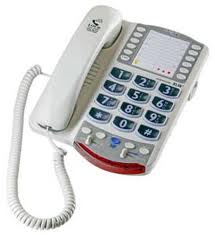
I think one of the frustrating things about having progressive hearing loss, or chronic illness/disability, is that one may commence living life with a new charge for life , equipped to be as independent as possible, only for changes in our health to take us back to square one. Prior to my cochlear implant, I remember learning to cope with the telephone, conversations in crowded places, and learning to speak with people with poor communication habits. However, in a matter of months my hearing would take a dive and I would discover that what worked last month, didn’t work at all now! Like most families with small children at home, we lived paycheck to paycheck. We pinched pennies and scrimped and saved to purchase an amplified telephone for me. For five or six months I was in telephone heaven! I used the phone every single day with confidence and enthusiasm. It didn’t take long, however, before I was struggling to even use that new gadget. I earned a little extra time by using it when the kids were outside and the house was relatively quiet. What was once easy became increasingly difficult. Eventually, the frustration of what I wasn’t hearing, despite hearing aids set to t-coil and begging people on the other end to speak clearly into the phone, had the phone collecting dust from lack of use. I’d talk to other HoHearies and get some new ideas. At some point though? The phone became a thing of my past. I had to come up with ways to contact people other than the phone. For the late-deafened community, the emergence of email, texting, and even FaceBook became very real “life-savers” in terms of being able to freely communicate with others. Although I hear well enough on the phone now that I have a cochlear implant, these other forms of communication are still my own first choice.

Resilience is a Special Kind of Strength

Many readers of Hearing Elmo have various disabilities, invisible illnesses or chronic health problems. For some, those difficulties are progressive and force them into a constant state of evolution. This can actually be healthy. (I see some of you grimacing out there!) Yet progressive illness can produce resilience – the likes of which create a strong and capable individual who can face life’s problems with the confidence earned through experience. Resilience is a special kind of strength. These individuals know that living successfully with progressive health problems is simply adopting an attitude of commencement.

Some people never graduate. They never enter that next stage of life. Even though the past may be painful, they cling to it with a tenacity that may stun family and friends. If they have progressive health problems, they may be stuck in the grief process. The grief process is a PROCESS. In a healthy situation, one moves from one stage to the next, eventually reaching acceptance and a new normal. Even psychologically we can get stuck in the past. Everyone else has moved on, but we have super-glued ourselves to unresolved situations instead of letting go and moving on with our lives (like everyone else has). Living this way yields toxicity to both ourselves and to others. We become “unsafe people”. It can have a negative influence on our relationships, self-esteem, and emotional/mental health. Dr. Seavey addresses how to face the future in a terrific article that can be accessed HERE.

Can you look back and see different points in your own life where commencement took place? Using all you learned in a specific period of your life, you chose to begin the next chapter of your life. May we all view commencement as springboard to usher in a successful, victorious future and not as a monument that designates an END!

Denise Portis

© 2012 Personal Hearing Loss Journal