Mitochondrial Disease in the News

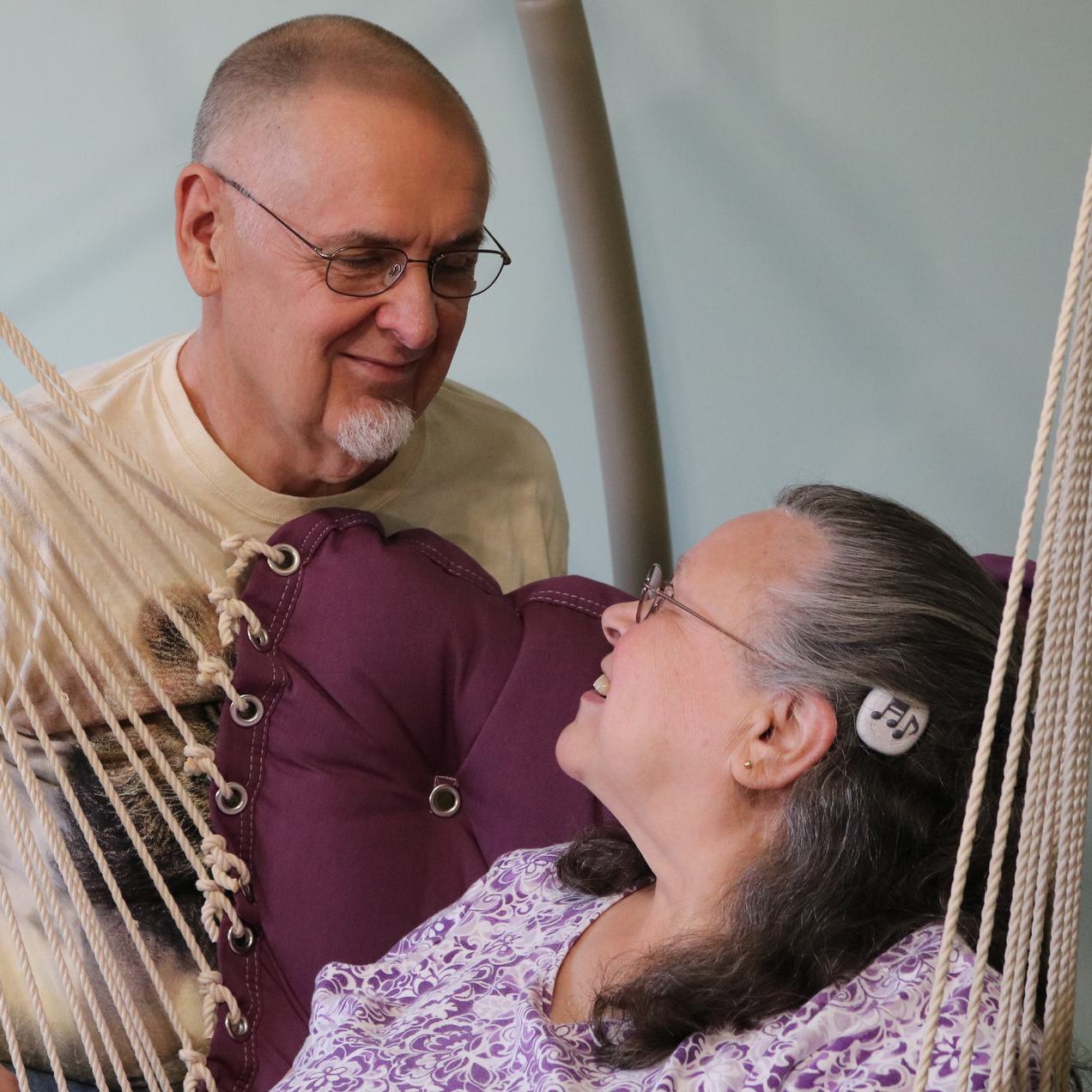
Ruth and Gary Fox

I love having guest writers at Hearing Elmo because it helps all my readers understand and stay informed about various disabilities that, frankly? I have very little information and certainly a lack of firsthand knowledge. Ruth has written for Hearing Elmo before and I always welcome her contributions. For this post her husband, Gary, contributed as well. 


Mitochondrial Disease is in the news again, because of the battle between the parents and the English justice system over the treatment of little Charlie Gard. The form of Mitochondrial Disease that Charlie Gard has is extremely severe and very rare. It has damaged everything in his body to the extent that he requires medical life support to survive.

The core of mitochondrial disorders is energy.  Mitochondria is in every body cell (minus red blood cells) and is responsible for converting food to energy. When this does not work properly, it is call Mitochondrial Disease (or Mito for short). Mito affects everyone differently, depending on where and how the person’s mitochondria are affected.  Any body system that has defective mitochondria will malfunction and possibly progress to complete failure.

As a person with Mito, people have asked me what the effect of mitochondrial disease is.  For me, it means working with multiple medical specialist to maintain the function of weakened organs. Because the degree of energy and fatigue determines the rate at which my organs deteriorate, managing that energy level is my greatest challenge.

Some people use the spoon theory to explain life with Mito fatigue. However, my husband and I wrote another narrative that makes more sense to us. Instead of spoons, we picture a zero balance bank account.  Just about, everyone knows what it means to have a bank account and how the balance of that account affects his or her activities. They also know the pain of an overdraft charge.

A healthy person makes energy deposits into their account from food, rest and exercise and has energy left in their account at the end of the day to pass over to the next day.   People with Mito do exactly the same thing, but because their energy output is very low, their account drops to zero at the end of the day with nothing to share with the next day.

People with Mito know that all of their body’s involuntary organs like their brain, heart, lungs, ears, eyes, and digestive system need a huge portion of the limited energy they are able to put into their account.  The average healthy person is typically unaware of the energy use by their involuntary body systems.

After meeting the energy needs of their involuntary functions, using energy for self-care activities is next.   This includes things like bathing, brushing teeth, dressing, or eating.  Some people with Mito do not have enough energy in their account to do these things independently, and some can do them independently, but often need to rest to build up their energy account between tasks.

After basic self-care comes necessary health related appointments to the dentist, the primary care doctor, the endless specialists, therapy appointments, etc.   The person with Mito has to anticipate ahead of time how much extra energy these appointments will demand.  To avoid having their energy balance slip into the red, which means a Mito crash where involuntary body systems are short of energy and struggling to function, they spend days ahead resting more, and building up their account to cover that extra expenditure of energy.

Everyone gets health benefit from exercise.  People with Mito have difficulty with repetitive movement, as their energy accounts are often too low to replenish the energy used by their muscles fast enough.   Yet getting some exercise, even passive exercise provided by therapists, results in strengthening.  It takes considerable effort for people with Mito to balance their energy account with exercise.

Like every other functioning human being, a people with Mito, have the same desire to live independent lives as healthy people do.  This can mean parenting children, holding down a job, keeping up their home and yard, shopping, preparing meals, participating in religious activities, attending educational classes, enjoying leisure activities, and keeping up with friends and family.  Participation in these ordinary things are difficult, or even impossible, for people with Mito because their energy account balance is too low.

People with Mito can increase the balance in their account by careful budgeting of their energy.  They can chose to sit to perform their self-care routines, instead of standing as most people do.  They can use a mobility device to save the energy they would use to walk, to do something else.  They take advantage of seating that tilts to avoid using the extra energy that it takes to sit upright against gravity.  They can chose the timing of their activities to avoid extremes of temperatures, which will drain much energy from their account.

Finally, there are those unexpected life events that may totally empty a Mito person’s energy account:  mental and emotional stress (both positive and negative), illness and surgery.  A simple cold can be life threatening for a person with Mito, depending the amount of energy left in their account to fight it.  It can take days and even weeks for the person with Mito to replenish their energy accounts.

Though I cannot do everything, I want to do, and have struggles with my limitations; life is good, because I have learned by years of practice how to budget my energy. My husband helps too by taking on the more energy consuming activities, while I do the less energy consuming things in our household.  This way we can enjoy more of what life has to offer, together.

Ruth and Gary Fox


L. Denise Portis

© 2017 Personal Hearing Loss Journal

Half a Stick of Juicy Fruit Gum

juicy-fruit

I miss my grandmother (Vina Jewell Burhenn – Isn’t her name the GREATEST?). As I stopped to think about how to approach my subject for Hearing Elmo this week, I found myself thinking of a very special memory.

It was always a treat to sit with my grandparents in church on Sunday. I think I convinced myself that Grandma would let me get away with more, and my mom and dad were going to make me be “super good”. The pastor was my uncle, Cecil, and so even as a little kid we were expected to be an example to other little kids in the church because we were “kin”. So whenever possible, I always sat with Grandma because I could get away with more – AND… she always gave me a 1/2 stick of Juicy Fruit gum.

Naive kiddo that I was, the truth was that Grandma made me be even more “golden” and because we sat three rows from the front, my parents sitting behind – and to the right of us – could STILL see everything I did.

In the earliest years, I don’t think I ever questioned, “why a HALF stick of Juicy Fruit gum?” I will have to hazard a guess that around  8 or 9 years old, I finally whispered and asked Grandma, “why a HALF stick?”

“When you break it in half, does it let the magic pour out?” I whispered.

Response: Blank Stare

“When you break it in half, is it teaching me to share?” I queried.

Response: Blank Stare

“When you break it in half, is it to make sure I come back for the other half?” I said softly, and with strategic wisdom.

Response: “Denise, I gave you a half a stick because it is ENOUGH”.

Oh. Well gee. I know my child-brain kinda hated the logic of that.

My grandmother would dole out half sticks of Juicy Fruit gum because it was ENOUGH. (Side note: What a shame that it was never Doublemint gum as I would have discovered at an earlier age that I was allergic to spearmint).

It Simply Doesn’t Take MUCh to be ENOUGH

I’m told I take after my grandmother in a lot of ways. Here are just a few FREQUENT reminders from siblings and parents:

  1. I doctor my own ailments to my detriment. And I have Google, which Grandma did not!
  2. I love animals – many times more than people.
  3. I expect justice and fairness.
  4. I will respect you, but by golly you better reciprocate. If you don’t we’re gonna argue!
  5. I can be stubborn.
  6. I don’t mind confrontation. (Likely only recently doing confrontation in the right way).

I think one of the things I get down about the most as a person who is differently-abled with a chronic illness, is that I often worry and fret about my limitations.

I can’t hear on the phone so I am not able to easily call up a friend and ask how they are doing.

I can’t see to drive at night (headlights trigger vertigo), so I cannot go to parties, meet-ups, etc. with friends at night. Most folks do stuff later in the day.

I can’t just drop everything and go to a friend’s rescue. My own limitations require that I determine if I’m physically ABLE. I must ready my canine partner, Milo. I am not a 9-1-1 friend. That grieves me.

You may have limitations that at times, cause you to feel as if what you have to offer is not as valuable. You see how other friends reach out to each other and are discouraged that you cannot offer the same kind of friendship. (If you’ve never read “Spoons” – you should. It eloquently describes life as a differently-abled person). You can only offer a HALF stick of Juicy Fruit gum and you are a little bit pissed off by that.

Do you know what I have learned? A half a stick of Juicy Fruit is enough. I may only be able to touch base with friends via text or Facebook, but taking the time to touch base is STILL appreciated. I may not be able to go to things at night, but when my daytime schedule allows, I can drop off a meal or come by for a quick hug. I cannot be a 9-1-1 friend and be able to just physically show up at an emergency. However, my friends know they can text me or private message me and I will drop EVERYTHING to pray, encourage, and be there for them.

“The purpose of life is not to be happy. It is to be useful, to be honorable, to be compassionate, to have it make some difference that you have lived and lived well.” 
― Ralph Waldo Emerson

We want to make a difference. We want people to see our value. We need to be needed. We all strive for that purpose in different ways.

Maybe you are passionate about social justice issues and do all you are capable of doing.

Perhaps you are a writer – and do so to encourage, educate, and advocate.

Maybe you are an artist. Your drawings, photos, paintings, and sculptures reach out and change people.

You follow up with hurting people and ask them how they are doing NOW.

Your HALF stick of Juicy Fruit is pretty darn important. What you CAN do… what you are able to do… is ENOUGH.

Don’t let anyone tell you anything differently. If they do, give them my number and I’ll take care of it. <wink>

You have value. Believe.

Denise Portis

©2017 Personal Hearing Loss Journal

 

Coming to Terms

Deborah Marcus' blog "Visions of Song"
Deborah Marcus’ blog “Visions of Song”

It is always a treat when guest writers post for “Hearing Elmo”. I never wanted this blog space to be all about “me” and my own issues. Please let me know if YOU would like to write for the site!

Deb has been a friend for so long, I would have to stop and burn calories just to remember the when and where we first connected. I love her like a sister and her presence in my life has been a blessing. Deb writes (click the photo above to visit her blog) and is a photographer as well. As a matter of fact, I re-designed my guest bath around her dragonflies. A loving “welcome back” to my friend, Deb, as she shares some things that many of us with disability, chronic illness, or special challenges deal with on a daily basis. 

Winter
Winter

From the time I was in elementary school, I understood that life is not fair, that it’s not even a question of fairness, and that readjusting one’s perspective is something that must occur for the full expression of the self, time and time again.

Of course I didn’t think of it in quite those terms when I was 6, 8, or 10 years old, but I experienced it. I imagine we all do in one way or another, whether by subtle shifts or dramatic events that leave us no choice but to consider this a reality of being human.

Here are a couple of examples. Each of us has some of our own.

-That moment at the audiology clinic, age 9 or so, where I went every couple of years for a hearing test as there is hearing loss in my family. I heard someone say, looking at the audiogram: there it is, the mild to moderate hearing loss. I didn’t know how to read the graph at that time, but my maternal grandmother was hard of hearing and I understood it from that vantage point. I would be like grandma, hard of hearing. Reading lips. I didn’t understand that I would lose the ability to hear birds singing, or the many nuanced experiences that we take for granted when we are able to hear, but I was able to internally adjust to my reality.

-A different moment, after a terrible event at home. I went out into the yard, in the dark, in winter and lay on the snow-covered grass. I looked up at the clear sky, full of stars, and as my breathing slowed to a normal rhythm, thought how beautiful it would be if I could just fall asleep right there…and never wake up. After a while, I felt something move me. You might call it God. I internalized it as a spirit of some kind. It said to me: No, it’s not your time. Stand up. Go back inside and warm up. Now I understand that as either depression, or self-preservation, or a little of both. I did not mention this to a soul until many years later.

Spring
Spring

In order to move forward after life-changing events, one has to be able to reckon with the forces within and without. I was motivated in the first example away from despair. As I looked towards my grandmother who could not hear, though it was beyond me at that age to recognize how small her world had become by that point in my life, I could see that she had her faculties and was loved by many in her circle, and so I had expectations of adjustment but did not despair. In the second example, in despair, I can’t say it was all me figuring out what to do, but had an experience that told me we can seek and find the resources to continue on.

Summer
Summer

Fast forwarding to today, I have experienced a number of life-changing events, some of which constitute frank disability. I have had orthopedic issues since middle school. I am now completely deaf without my cochlear implants. I am a survivor of mother-daughter sexual abuse, and with that came some episodes of physical and emotional abuse. I’ve experienced periodic vertigo since the occurrence of one of those physical episodes, when my mother, in a fit of rage I’ve never been able to parse out, pushed my 16 year old self backwards down a long flight of stairs. I only recall coming to at the bottom of the stairs, the crawl back up, the screaming that came from my mother’s throat that suggested that I was somehow at fault for my “accident”. I have struggled with (undiagnosed) depression for years. I’ve coped with physical pain for most of my life, with degrees of it varying over time. The most extreme of these pain issues resides in my facial nerve, with a diagnosis of trigeminal neuralgia.

Autumn... reflections
Autumn… reflections

Throughout each of my 53 years, I have found the will to continue on. Recently, I had to consider the prospect of foot surgery. Wanting to avoid it at all costs, I explored physical therapy, at the encouragement of an acupuncturist I see from time to time. My hope is still to either avoid surgery altogether or be better equipped to manage if I did. During my initial evaluation, I shared my vestibular/balance history. I had recently had the courage to tell my primary doctor about the trauma when I was 16, the vertigo, the neck pain, and now the increasing balance issues. It became clear at the first assessment that my vestibular system is in extremely poor shape. The physical therapist wrote “fell like a tree” in the assessment notes. I worked extremely hard both in therapy and on home exercises from September into December. While we made some modest gains on the foot issues, there was no progress on my balance issues. In December, my PT and I had a heart to heart. It is pretty clear that as a result of multiple factors, my vestibular system is not going to get better. I can continue to work on the vestibular exercises in effort to slow the progression, but that’s probably it. While all this was happening, my primary suggested I try a small dose of medication for the chronic depression, which I was forced to acknowledge, for the sake of self-preservation. We are working on finding a medication I can tolerate and which is a help to me.

It’s strange territory to be in this place where I feel more than a little bit at a loss. Where did my seemingly inherent sense of “carry on!” go? I’ve made adjustments all through my life, and did good works, and have had wonderful relationships and ending relationships and work and play and the same constellation of things that everyone else experiences in their own fashion. I wonder, though, who am I now? I have had moments of despair, when the thought that going to sleep and never waking up would serve me and everyone I know well. The only reason I feel strong enough to write this out in a semi-coherent fashion now is because I have begun to hear that spirit voice again, that says: No, it’s not your time. Stand up. Go back inside and warm up. To that end, I’m focusing on what my new life will look like, how to take the best care of myself possible, and how I can possibly continue to be source of support to others.

Stay warm, friends.

Deborah Marcus

Visions of Song blog: CLICK HERE


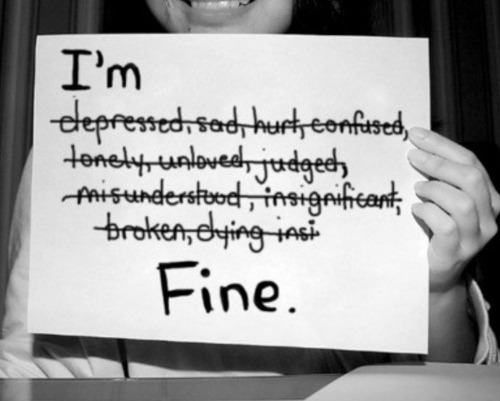
You Don’t Just Decide

im-fine

… to not be depressed.

I should have gone into acting. My students and coworkers would be so surprised to learn how tough this past month has been. I have been struggling to write, but honestly? I just cannot. Not yet. (I’m in a bad place, but I will and very soon!) So how blessed and relieved was I to receive permission from a guest writer at Hearing Elmo, to post a narrative she wrote on FaceBook about depression? Ruth Fox has been a friend and fellow “chronic illness warrior” for a good number of years. I have trouble remembering when we first met even and we keep up-to-date on social media. Ruth lives in one of my favorite places… Tennessee. She is a photographer and writer… and a friend who understands invisible illness and disABILITY. 

Before I copy/paste what she has to share, as a reminder: Hearing Elmo is open to any and all who would like to share about this life we live. It can be anonymous, open and transparent, or somewhere in between. 

13012888_10208785574373696_450127612655971788_n

As a survivor of over a decade of profound life threatening depression, my heart goes out to the many people with depression who are struggling through the holiday season.

Depression is a vicious disorder, and not one easily dealt with by the affected individual, their family or friends. Like many chronic disorders, depression can be managed through medication, therapy and healthy mental, social, spiritual, and physical life choices.

Depression continues to be a chronic disorder for me, yet the devastating effects that it’s had on my life are greatly minimized due to my efforts accommodate it, as I have accommodated other physical disabilities.

Depression isn’t the consequence of what happens to us in life. Many of my friends and acquaintances have experienced the worst that life can offer. Yet, though they may be grieving, sad, or very frustrated and alone in their experiences, they don’t struggle with depression. This reinforces the fact that depression is, as scientifically proven, a physical disorder of brain chemistry; not a consequence of life circumstances.

Depression makes all aspects of life more difficult. The jovial atmosphere of holiday celebrations often exacerbates its symptoms. The challenge of coping with depression is similar to dealing with other disabilities; to accommodate it in such a way as to minimize the effect that it has on daily life.

For me, the first step was getting and maintaining medical treatment. Next was determining what life activities reduced my depression symptoms and what ones exacerbated them. Then reorganizing my activities so that they tilted the balance towards helpful activities. This occasionally required abandoning what was considered socially acceptable or traditional, which was very difficult to do at first.

Positive self-talk is an exercise I learned to use regularly, because one difficult depression symptom is the emotional twisting of reality. When depression is out of control, all actions or statements of other people tend to be taken extremely personally. If these are perceived as negative the result can be irrational tears, obsession over disappointments, and self-pity. The effect can be so strong that it paralyzes functionality. One’s sense of confidence and self-worth is often mistakenly placed into the hands of others.

Positive people, who accept the right of other people to do what works for them, even if it was a bit unconventional, are the kind of people my husband Gary and I want to be, and we try to surround ourselves with similar people. Depression isn’t fun, any more than all of other the challenges we face, but it doesn’t have to diminish the quality of life.

Ruth Fox


One-Eyed, One Horn, Flying Purple People Eater

one-eyed-one-horn

Sheb Wooley released a song in 1958 called the “One-Eyed, One Horn, Flying Purple People Eater“. I know this not because I was there (ahem), but heard the song throughout my childhood. If you have never heard this “gem”, you are MISSING OUT. To help fill that void for you, click here for a captioned version: Enjoy

Now I mention this because this song has been going through my head for a solid week. I know! I do have better things to do! However, I’m in the car enough that I tend to fill the time with singing… or maybe BELTING out the OLDIES is a more truthful admission. For some reason, this song is just stuck in my noggin’. It is a song that frankly? It doesn’t make much sense. Maybe it did to Mr. Wooley. Something doesn’t have to make sense to get stuck in our head though. It doesn’t even have to be the truth. It doesn’t even have to be healthy.

Negative Broken Record

Sometimes unhealthy thoughts and labels stick with us because at some important developmental milestone, we heard these negative things enough we have come to believe them. These negative thoughts can turn into self-fulfilling prophecies. These negative, perpetually repeating thoughts can bring us down and keep us in a state of defeat. Experience tells me that a state of defeat = dissatisfied and unfulfilled life.

A get so aggravated when people (and sometimes counselors) say you should erect boundaries with people who tell you negative things that you take to heart. Easier said than done. What if they are family? What if it is someone you work with daily? Most of the time, if someone tells me something negative I try to:

  1. Determine if there is any merit in what they are saying. If so, does it mean I need to change some behaviors?
  2. Determine if I respect the source. Should I spend any time at all contemplating what they’ve said as constructive criticism, or is something I should immediately release as misdirected and poisonous barbs?
  3. Determine the level of influence. Do I work with this person? Is this someone I must see either occasionally or frequently?

Sometimes the “stuck in my playback feature” of my brain are negative comments, labels, or criticisms from people I care about. I can set up a boundary (and have… mentioned below), but I cannot just shut the door and throw away the key (although there is a time for that too… read on!).

I’m no expert in rebuttal of mean insults, however I learned at a fairly young age that “fighting fire with fire” only burned everyone. Frankly, I can stand the smell of scorched material.

I learned that getting defensive often only made me look petty, childish, and well… DEFENSIVE. A defensive stance and demeanor is not attractive on me (perhaps on no one).

I have learned two responses that work for me:

  1. What you have said has upset me. I need some time to regroup and then I would like to talk about what you just said (or called) me.
  2. I don’t believe in labels and discussing things with mean-spirited people. I would love to continue this conversation in a more healthy way when you are ready to do so.

You-re Ugly. You-re Fat. You-re Disabled. You-re Embarassing.

It makes me so sad when I hear people say self-deprecating things, knowing they heard it somewhere else first. Those “stuck in our head” kind of hurtful descriptions are usually hurled from the mouth of someone who claims to love us. It doesn’t always have to be wounding comments either. In my Developmental Psychology course, I ask my students to write down 10 things they have heard from friends and family members about themselves that were hurtful “to date”. It takes most students 10 minutes to write down 10 things; or, about 60 seconds per recalled comment. Then I give them a new piece of paper and ask them to write down 10 things they have heard from friends and family members about themselves that were encouraging, uplifting, and positive. It takes a student three times as long. That’s right. At 30 minutes I call “time” and there are always some who have not been able to come up with a full ten items. What does this tell us? Are humans more prone to remember negative or positive?

Negative comments are like wounds. They may cause us to bleed and to fester. Maybe infection sets in as well and our wounds begin to affect other body parts. Negative comments leave scars. No amount of vitamin E, cocoa butter, or cell activator products will remove the scar. Sure! Both time and perhaps counseling and support can reduce the visibility of scars, but the scar remains.

Positive comments seep into the skin slowly. Yes, perhaps our ears are the conduit, but our hearts are what build up our self-esteem. Dr. Barbara Fredrickson (OCDE.US, 2016), explains that there is a 3:1 ratio of necessary positive to negative comments to equalize the impact. In other words, for every negative comment you hear and take to heart, it may take three positive comments to remove the potency and harmful effects of the negative comment.

Permanent Brick Walls

Sadly, there are times when you must love yourself enough to initiate self-care in building a permanent brick wall to toxic people. It isn’t easy. There may be a price tag. You may alienate others who are affected by your choice. You may become the target for people who insist that forgiveness AND reconciliation are mandatory. My friends? There are times that this is a small price to pay compared to the continued damage a toxic person may deliver.

If they are incapable of remorse and change, who will protect us? Though it may sound attractive at our low points, putting out a hit on the toxic person is not a good choice. If we do not permanently dis-allow them opportunities to harm us, who will? When I have had to do this, I do so with heavy heart. However, I also do so knowing my children are looking to me for an example. Cuz ya know what? They are going to have toxic people in their lives. When I disassociate with a poisonous soul, I do so knowing that younger adults learning to live with acquired disability or illnesses are watching me.

It Doesn’t Take a Gift of Words

I don’t know about you… but I want to be a part of the group that is telling another something positive, uplifting and encouraging, and genuine. I want to be a part of the THREE that helps to cancel out the negative things another has heard and believed. All day–each and every day–I look for opportunities to say positive, genuine things to others.

“You look great in that color!”

“Wow, look at how well you did on this exam!”

“You always have the greatest things to say during class discussions”

“Thank you for emailing me about your current crisis. You are so responsible in that and I want to help you”

To people I know who are differently-abled:

“Those running lights on your wheelchair are freaking AWESOME!”

“You have the best hearing of anyone I know” (to a student with vision loss)

“You’ve told me about your personal demons. I love how you bravely and courageously face life with a smile”

“I love how Milo (my service dog) loves you. He must sense what a caring person you are to seek you out each class period”  (to a student with recent TBI who is still coming to terms with new challenges)

That’s All Fine and Dandy – But I Cannot FORGET

Yup. I can determine to be part of the solution (instigator of the positive in the 3:1 ratio), and still have STUCK negative comments playing over and over in my head. “♫ ♪ This is the song that never ends, yes it goes on and on my friend. Some people started singing it, not knowing what it was, and they’ll continue singing it forever just because… ♫ ♪ 

So what’s a person to do?

  1. Surround yourself with people who are positive contributors. You may not be able to pick your family and have tough choices to make about boundaries, but we can pick our friends. Make wise choices.
  2. Learn self-talk. “With practice, you can learn to notice your own negative self-talk as it happens, and consciously choose to think about the situation in a more realistic and helpful way” (Martin, 2016, para. 5).
  3. Be realistic about extremes and over-generalizing. I love these 7 “steps” to eliminating negative thinking. Check them out here: CLICK
  4. Affirm yourself. CUTE VIDEO of a little girl saying all the right things in 50 seconds: CLICK.  Perhaps talking to yourself in the mirror has fallen out of style (but should it have?). Regardless, we can learn to dispute that negative STUCK phrase in our heads. You gotta identify it first, then figure out where it came from, decide if it is true, decide how you want it to CHANGE, and then do #3 above. And hey… if preachin’ at yourself in the mirror helps? Go for it!

I leave you with the challenge to be someone’s 3. Be the positive, uplifting and affirming influence for another individual. Make it genuine (no lying… who does that help? I never say something positive I don’t mean/believe) It may take some practice. You have to learn to be watchful and observant. May God grant me the opportunity to be the 3 for someone! That these comments may re-play in a person’s head with the frequency of one-eyed, one horn, flying purple, people-eaters? Well, color ME PROUD.

Denise Portis

©2016 Personal Hearing Loss Journal
Fredrickson, B. (2016). The magic ration of positive and negative moments. Retrieved November 8, 2016, from https://www.ocde.us/PBIS/Documents/Articles/Positive+$!26+Negative+Ratio.pdf

Martin, B. (2016). Challenging Negative Self-Talk. Psych Central. Retrieved on November 10, 2016, from http://psychcentral.com/lib/challenging-negative-self-talk/


Coping with Disability

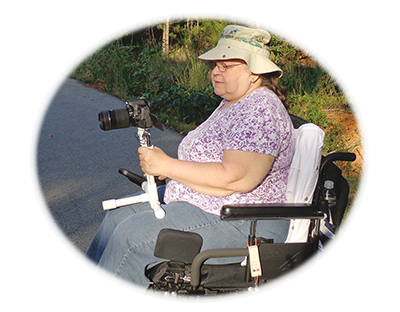
Always such a privilege and joy to welcome guest writers to “Hearing Elmo”… especially those who have made an impact on my own life! Ruth’s blog can be found at: http://foxbuds.com/default.html  

coping-with-disability-ruth

Succeeding at being functional, in spite of major disability, requires acceptance, attitude control, and accommodation. For approximately a half year, the extreme energy challenges that defines my disability took a vacation. I went from using a wheelchair to walking a mile independently. My wheelchair was actually forgotten, and it sat unused for several weeks. Feeling so energized, I worked to increase independence and exercise. Walking in a nature park; to and from the mailbox (long city block of considerable elevation grade); to and from study groups and services at church; and during shopping became frequent occurrences. Even bi-weekly lap swimming was added to the exercise mix. Restricted time limits on activity seemed to have dissolved. I came to expect unlimited energy and endurance.

Then, as quickly as it arrived, my disability “vacation” was over. Independence and exercise became challenging; fatigue and weakness unmerciful. Within a couple of hours after awakening, my day’s energy supply was gone. Being stubborn, I let failure define my course of action. Signs of exhaustion were ignored, functioning became extremely challenging and “mito crashes” began to occur frequently. During these mito crashes, I have trouble thinking and focusing; my speech sometimes slurs; word recall fails resulting in multiple unfinished sentences; there are unexpected falls when walking; muscles feel like they are made of wet cement; sitting up is painful as gravity alone is too heavy; my heart pounds and beats become irregular; and even breathing takes effort. My unwillingness to respect my body’s inability to produce needed energy, resulted in an unnecessarily low quality of life.

To find any degree of functionality, I first had to let go of stubbornness, pride and the perception that my disability would become a focus for those around me. It is uncomfortable when people express sympathy, or question my use of accommodations again, particularly my wheelchair. Yet, when I was finally forced to go back to using my wheelchair, which is the most visible accommodation that I use, people paid very little attention to it. Everyone around me was used to seeing me in a wheelchair, it just had been a while since they had seen it. As trivial as it may seem, it wasn’t much different than people failing to notice a haircut, or new glasses.

The hardest part of a disability is figuring out which accommodations give you the greatest amount of functionality. In this day and age of high technology, canine assistance, and ADA accommodations, it is amazing the level of functionality one can reach regardless of how severe the disability. Today, a person with hearing loss/deafness has so many choices that they can make to communicate at a distance, turn speech into text, or become aware of changes in their immediate environment; a person with vision impairment/blindness has choices that
they can use to replace print, locate navigational barriers, and obtain independent transportation; for a person with a mobility impairment there is considerable access to public and even private buildings, and accessible transportation; a person with a medical disability such as diabetes, epilepsy, or compromised respiration has options of implantable medication delivery, service animals that can predict impending medical crisis, and portable treatment equipment. It is true that barriers aren’t completely eliminated by accommodation, however it is a rare person that isn’t “barrier challenged” in some way, even without a specific disability diagnosis. Technology and access will slowly, but surely, improve over time.

Accommodating my disability this time around, was easier. Everything I need for my disability barriers is already in place; I just have to use it. Also having an extremely creative and supportive husband, who is so willing to do whatever is needed to help reach an acceptable quality of life, is a huge benefit as a disability affects everyone; it’s a family affair. All that was needed was for me to stop fighting against declining energy and to start working to make the best use of the limited energy I had left.

A person with disability can accept their personal limitations and find appropriate accommodations, yet not be successful due to attitude. Anger, bitterness, and continuous frustration over the limitations of public disability access is the fastest route to an attitude of entitlement. This is a personality disability; as limiting as any physical disability. It becomes a barrier to self-advocating. It prevents a person with disability from being part of the solution, by sharing what works, as well as what doesn’t work. An entitled personality is counterproductive to legislation, research, and development of new options, as frustration and anger slows the process down. An entitlement attitude keeps a person from finding or accepting alternate ways to bridge specific barriers.

My goal is to express gratitude for every barrier that is reduced or removed, and find my own solutions when I can. Yes, frustration gets the best of me sometimes, but as with everyone else, I am a work in process.


Boundaries & Brick Walls

brick

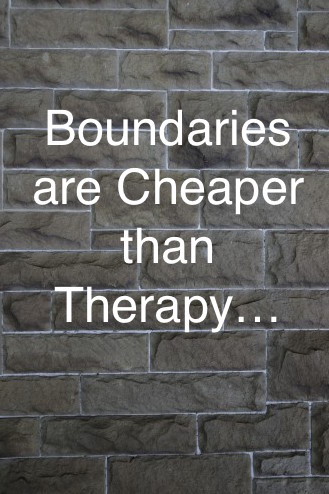
I’ve shared on “Hearing Elmo” before how important I think boundaries are to people with invisible illness, disability or chronic conditions. I believe we are already vulnerable. Not a WEAK sort of vulnerability, for we are actually very resilient in comparison to people who do not struggle with similar challenges. Dunn, Uswatte, and Elliott (2009) report that people with acquired conditions and challenges are often more resilient, happy, and have a positive sense of well-being. Yet, because we struggle to be all that we can be with new limitations, we can be vulnerable to others through criticism, disbelief, and lack of support. I believe that as people learn to cope and adjust to a “new normal”, boundaries–and sometimes BRICK WALLS–are imperative.

Boundaries

One of my favorite books that I often mention, is “Boundaries” by two of my favorite psychologists/writers, Cloud and Townsend. I highly recommend the book if you are seeking to establish healthy boundaries.

boundaries

I could go on and on about how MEAN PEOPLE SUCK, but this is more than that. We have all experienced interacting with people who are toxic, negative, and critical. These interactions inhibit our growth and our ability to cope effectively and successfully with challenges–that to us are not CHOICES, rather realities of living in our bodies. Boundaries can, and should be, set for these people. A boundary limits our interaction with someone that we have discovered hinders our growth or influence. Boundaries are not permanent. People can re-establish a good relationship. I always cringe when I hear people say, “Once you’ve lost my trust, you’ve lost it forever“.

I am not who I was. I hope that my life reflects a “work in progress”. I want to be a person who continues to grow each year that I live. I believe I can set a boundary for a critical and negative person, and my faith can be restored in this person at a later date. Life changes people, folks! The boundary keeps me at a safe distance, however, for whatever period of time is needed by that person to change or grow themselves.

Yes.

It hurts when you have to set up a boundary with a family member or someone who was once a close friend. Even these boundaries are necessary at times. Self-care is not only important, it is necessary. If we do not do what we must (by setting up a boundary for an unsafe person), we cannot thrive or make a difference in the life of another. Boundaries limit what we offer to these people. You may choose to not share specific things about yourself with them. You may limit how often you interact. These boundaries protect you and allow you to continue to live victoriously. They allow you to be the champion… the WARRIOR, that you are!

However, there are times when boundaries become more than safe zones for us. Boundaries can turn into permanent and impenetrable fixtures to completely cut us off from unsafe people. The boundaries become brick walls.

Brick Walls

When do you know that a boundary needs to be replaced with a brick wall? I believe…

… you will know.

The person has habitually harmed you. You have provided an avenue for reconciliation and  they have repeatedly taken advantage and continue to injure you. When this happens, it’s time for a brick wall, my friend! When and if you choose to permanently block someone from your life, it is important to remember:

  1. You are not responsible for their behavior.
  2. You are not selfish, nor stubborn.
  3. Your applied masonry skills mean you can continue making a difference in the life of others.

How do you build a brick wall and permanently dismantle a relationship? I have had to do this. It wasn’t easy. It hurts when it is someone who once mattered a great deal. However, self-preservation may mean you need to build that wall. Here are some things that worked for me:

  1. Block them from all social media outlets.
  2. Block their phone number.
  3. Block their email address.
  4. If you can, eliminate all face-to-face interactions.
  5. Don’t feel guilty. If you do, you are weakening that brick wall. You were not the toxin, they were.
  6. Avoid other’s efforts of reuniting you to this person. Well-intentioned people often do not know the whole story.
  7. If you must grieve the loss of this person, allow yourself to do so.

Because this is something I once did, I feel like I should give a warning as well. Don’t build walls because you are hurt and hunker down into protective mode. This is self-imposed isolation, not deliberate wall-building to keep out those who are toxic to you.

A perk I’ve discovered of brick walls? It can force a change of direction. You never know “who” or “what” awaits you as you step in the opposite direction.

Denise Portis

© 2016 Personal Hearing Loss Journal
Dunn, D., Uswatte, G., and Elliott, T. (2009). Happiness, resilience, and positive growth following physical disability: Issues for understanding, research, and therapeutic intervention. Retrieved September 5, 2016, from https://www.researchgate.net/profile/Timothy_Elliott/publication/232514358_Happiness_resilience_and_positive_growth_following_physical_disability_Issues_for_understanding_research_and_therapeutic_intervention/links/09e4150a3327348871000000.pdf

More Vulnerable than I Thought – Stronger than I Imagined

IMG_3128

Earlier this summer my parents came to visit. For some reason, I always have a “project” for my Dad. For some reason, he never seems to mind. This time, he built and secured a lattice porch screen to give us some privacy between our deck and the neighbor’s house. We have a huge yard, but it is long and narrow–not very wide. One of the first things my Mom and I did was plant Morning Glories. This beautiful vine has done so well this summer. It’s a childhood “feel good” memory for me, so I love greeting the blooms each morning.

I think one of the things I love about Morning Glories, is that they are (ahem) … GLORIOUS in the morning.

IMG_3129

I love coming out in the morning, in the quiet and cool AM environment, and having these cheerful flowers greet me.

VULNERABLE

I think one of the most difficult things about chronic illness and being differently-abled, is a sometimes, overwhelming feeling of vulnerability. I don’t know about YOU, but I hate feeling vulnerable. I’m not talking about the healthy kind of vulnerability where one learns to open one’s heart to another. I’m not talking about learning to be transparent and (at times) brutally honest (or, receptive of someone being brutally honest to YOU). I’m talking about the kind of vulnerability where you know you are at risk – in trouble – and floundering.

I am feeling pretty vulnerable. I hate having an illness that is progressive. Even though I work my butt off trying to be independent and capable, each year it seems to be more difficult to “get my glory on“. I love mornings. I’m a (disgustingly) cheerful early-bird person; perhaps, part of the reason I have been able to greet the Morning Glories with a smile on my face. While standing and watching the dogs race around the yard and work on waking themselves up, I often find myself reflecting, even praying at times. Lately, I think I’m perpetuating my feelings of vulnerability. During my AM REFLECTIONS, I have been thinking about where I was physically a decade ago, five years ago… and even last year. Ten years ago, when I was only 40-years-old, did I know that I would navigate with a service dog and cane? Did I understand that I would only be able to hear when I had my cochlear implant connected? Did I know that I would have a pronounced limp from numerous twisted ankles as the result of falls? Did I know that on the evening of August 23rd, 2016, I would have numerous bouts of vertigo, nystagmus, and several panic attacks between bedtime and when my alarm clock kissed me awake? (The benefit of having a service dog and retired hearing dog as your alarm clock). Nope. I didn’t know this would be my life. It makes me feel vulnerable (and depressed).

STRENGTH

I am my own cheerleader.

Don’t get me wrong. When I need encouragement, I know how to reach out and ask for help. This practice being, a different and healthy kind of vulnerability. If you are a person with chronic illness, invisible or visible disabilities, and special challenges that make life rather difficult at times, you may have no problem telling someone “I’m done“. I do have problems with that. I find it easier to say, “I’m struggling“, and less easy to admit “I’m done“.

I think part of it is because I don’t want to disappoint anyone. Even at Hearing Elmo, I try to keep things positive and encouraging. As a co-advisor of a student group for people who are differently-abled, I want to model confidence and a “can do” attitude. But honestly? Sometimes, I’m just done. This morning (after the night I had), I could not “get my glory on” in spite of my special flowers greeting me the same as usual in a beautiful late summer, sun-rise welcome. I found myself struggling. I found myself feeling vulnerable, depressed, and on the verge of giving up.

When I cheerlead for myself, I tend to default to a number of cheers:

  1. There are other people worse off than I am. Yet, they are productive individuals who find purpose in life.
  2. I have support from people who care about me, who encourage me to utilize everything I can to be independent.
  3. I am making a difference. It doesn’t matter if my niche in this big world is a tiny pocket of influence. If I can help make a difference in one, it is still making a difference. 
  4. All the things I enjoy, and people I love, are opportunities and relationships I would not have if I didn’t have the challenges I have.
  5. I know, without a doubt, that I am a better, stronger woman because I have Meniere’s disease and am late-deafened. Calhoun and Tedeschi (2014) explain it best: “The encounter with a major life challenge can also include an increased sense that one has been tested, weighed in the balance, and found to be a person who has survived the worst, suggesting that one is indeed quite strong” (p. 5). 
  6. Life can be difficult. It’s a good thing I’m STRONG.

Ultimately, the way I “keep on – keeping on” is recognizing that this is hard, but I CAN do this. I’m going to have bad days. I’m going to need help. I’m going to fail, mess up, SCREW up, and want to GIVE UP. When I am weak and vulnerable, I am also strong.

I’m also learning that it is ok to say, “I’m done“. (Ouch. That hurts to even type it!) However, I recognize that this admission… this vulnerability, also means I’m strong. Stronger than I ever imagined.

Denise Portis

©2016 Personal Hearing Loss Journal
Calhoun, L. G. & Tedeschi, R. G. (2014). Handbook of posttraumatic growth: Research and practice. New York: Psychology Press.

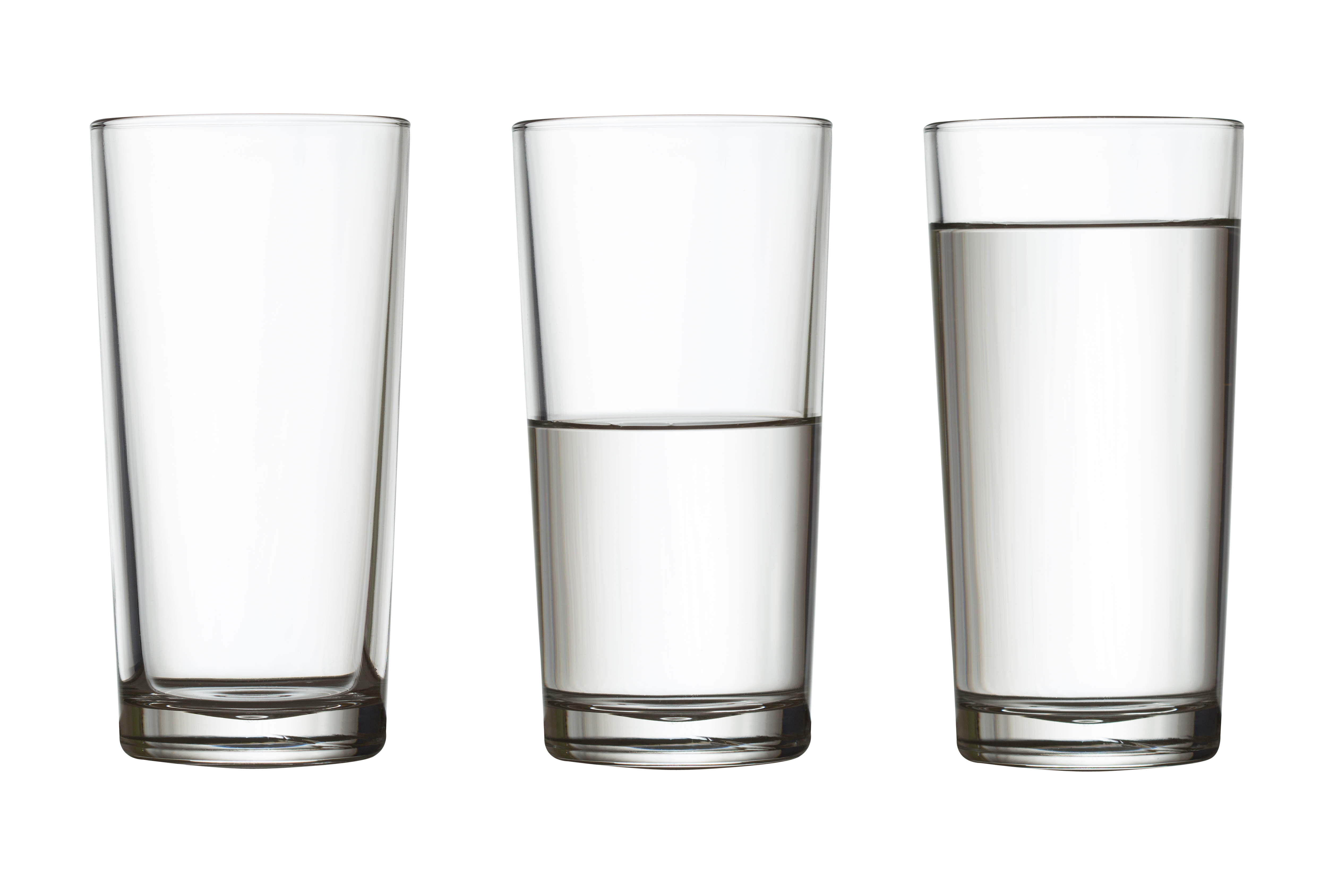
When “LIFE” Happens and Your Glass is Half-Full

glass half full2

One frustration that I often hear from Hearing Elmo readers is that living with a disABILITY or chronic illness is “manageable” if only LIFE itself were a little easier. However, the old adage is true… “Life is hard“. It just is.

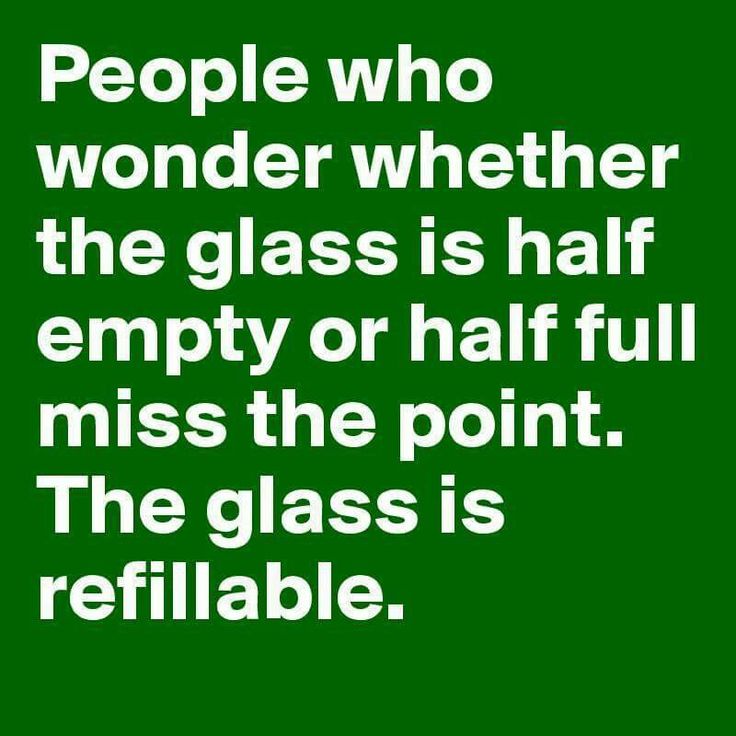
I take an unconventional interpretation of the “Glass Half Full” expression. I realize the original meaning is — Are you an optimist or a pessimist? I look at this analogy in a similar way that the “The Spoon Theory” describes energy levels, daily quotas of tasks, etc. For some of us, our glass is never completely full. I wake up first thing in the morning after a good night’s rest, and my glass is half full. Don’t get me wrong… I’m in a good mood. As a matter of fact, I’m one of those annoying “morning people“. I grin ear-to-ear, greet the dogs and take them out, fix my coffee, and eagerly open my calendar to see what the day holds.

Because I have had a hearing loss and Meniere’s disease for over 25 years now, I have learned to manage my time very carefully. I work hard to not “bite off more than I can chew“. The great thing about being an adjunct professor at a community college, I can stretch my 3-4 classes a semester out over the day and week so that I have “down time” for office hours or simply chill time in between classes. I am involved in a number of community service and social justice issues, but I work hard to make sure monthly meetings do not interfere with my “regular scheduled programming” (a.k.a. my LIFE).

Have you noticed, however, that just because you have a disABILITY or chronic illness, LIFE and its occasional sucker punches, still occur? We don’t get special treatment. Just because our glass starts out at the beginning of the day — HALF FULL — doesn’t mean that LIFE and the normal crap that happens within it, will not happen to us as well.

You are going to catch the flu.

You are going to have unexpected car expenses.

Someone is going to hurt your feelings.

You will be treated unfairly.

It is going to rain (and if you live where I do – it will rain a lot).

Your dog is going to be sneaky and eat grass and then surprise you with a present around 2 AM.

You may experience a divorce.

You may become estranged from an adult child or (once) close friend.

You will be accused of something you did not do.

You may be treated with disdain and anger as you navigate your “normal” in a world that does not view you as such.

A doctor is not going to listen to you.

A spouse or significant other is going to get frustrated with you – as if you can change your “normal”.

Your alarm is going to go off and you will want to hurl it through the window.

You will accidentally burn supper.

You are going to trip (and if you have Meniere’s – often!)

You will be misunderstood.

You will lose people you care about and will grieve.

Grief

Last week, my precious father-in-law passed away. My husband and children went to North Carolina and thankfully arrived before he was gone. I stayed home to take care of pets, cover classes for my husband, and “hold down the fort”. Can I just say I hate,  “holding down the fort”?

My family members are home now, and I am grateful I will have the opportunity to attend my father-in-law’s Celebration of Life later this summer.

I am running on EMPTY. This is final exam week and the extra stress that comes with grief and worry for my loved ones has taken a toll. You see… LIFE doesn’t pull any punches. Just because you have a disABILITY or chronic illness, you will still experience the normal things in LIFE that every person does. Losing people we care about is part of LIFE. It sucks. It hurts. It is hard. For those of us with a glass that starts “half full”, it may mean we need to take care to – TAKE CARE.

I normally go to bed between 9-10 PM. This past week I have made an effort to retire between 8-9 PM. We’ve had an excess of rainy weather which causes my balance to really be a trial for me. I am taking extra measures to make sure I change elevations carefully (stairs or bending) and am giving my service dog a serious work-out with various skilled tasks that I can do when my balance is not as wobbly. I’m trying to eat healthy, balanced meals.

Experiencing grief is a normal part of life. It cannot be avoided, and we cannot wish it away. If disABILITY or chronic illness is a new normal for you, I encourage you to prepare in advance for LIFE. We are not granted special privileges just because we have special challenges. So my advice is to do what you can to have a plan in place for when LIFE happens. The plan may include steps to take extra care of yourself. It may mean you make that phone call or send that email to someone you know you can dump on safely and wail or whine to your heart’s content. You may want to make an appointment with a counselor (so have one in advance on standby in the event you need an objective listening ear).

The Benefits

I learned something important over the last week. If I have prepared – as best I can – to absorb life’s normal sucker punches, and take steps to function in spite of a half-full glass, I can still BE THERE for those I care about.

I am not so energy-depleted that I fail to recognize the needs of others. I can support (as best I can) those who are grieving. Because I’m getting extra rest, I can think of small (seemingly) unimportant things that can make a difference in the life of my grieving husband. Like… making Cheeseburger Hamburger Helper for supper (something I cannot even eat but is his major comfort food). I can take on some extra chores around the house to give him the opportunity to have some extra time to grieve either openly or privately. I can be a listening ear (difficult but doable when you have a hearing loss). These simple things would be virtually impossible if I didn’t have a plan.

I am not so naive to believe that having a plan will mean you never have anything take you by surprise. LIFE is really good at surprises – some good and some bad. You cannot prepare and plan for every surprise. I hate to be a downer and fess up that at times I’m just DONE. For whatever reason, I allow hopelessness and despair to rule and reign in my heart and mind. For me, it helps to acknowledge that I’m at the end of myself and need help. It may mean seeking spiritual renewal. I may need to overhaul my schedule. I may need to just experience the YUCK. Sometimes all one can do is wade through and survive. The sun really DOES come out tomorrow. (… and thankfully? my weather forecast for tomorrow really does include SUN).

glass half full1

Denise Portis

© 2016 Personal Hearing Loss Journal

Making the Difference – in ONE

calf feeding

I grew up on a working farm. I’ve learned to add that “working” part, for after I moved to the “big city” I discovered that many people have what is called a “hobby farm”. I loved growing up on a farm, but can’t say I’ve ever considered it a HOBBY.

Growing up, I had a lot of responsibilities that included various kinds of farm work. Probably one of my least favorite chores was baling alfalfa; in part, because I was highly allergic! Sneeze at the wrong time, and the bale of alfalfa was suddenly on top of you, or worse… several piled up and rolling off the flatbed truck. I can’t tell you how many times my aggravated Daddy had to stop the truck, wait for my siblings and I to reload some scattered bales… all because I sneezed at the wrong time.

One of my favorite responsibilities was feeding the baby calves. We always had some wee calves that required bucket feeding. The picture shown is not my own calf, but it was the same kind of bucket. Now-a-days, buckets are plastic or are big “bottle-shaped thingie-majiggers”. We had these old-fashioned (but serviceable) metal buckets. In the beginning, I hated the chore. If the school bus comes at 7:40, that means all chores had to be done early. I’m talkin’ cock-a-doodle-doo early. I wasn’t a 5 o’clock in the morning kind of kid, and I’m still not that kind of adult.

We used powdered formula for the calves. Some were orphans, some were adopted from feed lots, and some were separated on purpose from mama if the calf was unlucky enough to be born to one of our milkers. The powdered formula smelled horrible. Ugh. We mixed it with hot, HOT water. In this way, by the time we carried the buckets to the barn, it was still warm for the calves. The calves drooled all over the place. Occasionally, they would head-butt the bucket (like they would their mama) and if you weren’t prepared (or had fallen asleep against the fence post), formula went everywhere and you started all over.

I’m not fastidious. I can stand dirt under my fingernails and getting my hands messy. However, returning to the house every morning covered in calf drool and formula, had me grumbling and complaining big time. My dad would let me whine and complain. He is a very quiet guy. When he did open his mouth to talk, we all practically stood in awe to see what he was going to say. It was always rather profound. One morning after listening to me bellyache, he said, “Denise, have you ever thought about how important you are to that calf?”

Well… Dad didn’t expect an answer. He had already walked off. I stood there digesting that though and I must have thought about it the rest of the day. I think I must have thought about it all the way up ’til I went to bed that night. The next morning, I awoke with a new attitude about those calves.

They needed me. They were pretty low on the “totem pole” as far as value on the farm. However, if I didn’t feed them, they were goners. For all intensive purposes, I was their mama. That morning I noticed as I walked out to the barn that the calves were all standing by the fence waiting… for ME. Likely, they always had! However, I was so busy grumblin’ I never noticed. As I set the buckets on the fence to give them one more good stir before turning them around for the hungry bovines, I noticed the calves were mooing softly and actually wagging their tails. They were expectant. They knew they needed me and that I could provide what they needed. I remember throwing my legs up and over the top rail so that I could sit and put my weight on the bucket guards to keep them from being butted to the ground. Now that my attitude was different I was seeing these calves in a whole new light. So… I started singing.

That’s right. I sang to the calves. Over the following eight or nine years, calves heard me bellowing out every 80’s tune I could think of and even some 70’s tunes as well. I sang, and I sang, and I sang. My entire outlook and attitude towards these calves had completely changed because I discovered they needed ME. At this point, you are probably wondering, nice story… but what exactly are you trying to say?

PIVOTAL MOMENTS

I truly believe that it was at that point I realized, even someone like me can make a difference. I was just a young farm girl. I had few aspirations. Yet, even *I* could make a difference – perhaps in the life of something rather lowly (and drooly), but I could still make a difference.

Do you know I believe some of my panic at 25-years-old, with the realization my issues were progressive, was that I was afraid I would no longer be able to make a difference? I’ve been forced to adapt to increasingly progressive “differently-abledness”. However, those early lessons made an impact. A “nobody”, farm girl could make a difference to a calf. Surely, a differently-abled woman could still find a way to make a difference!

Don’t get me wrong… I’m no super hero. As a matter of fact, I cringe a little when someone at work stops me and tells me “You inspire me!” I’m thinkin’, “Girl? I’m no inspiration. I’m ordinary. I’m just me. I didn’t sign up to only hear bionically, and learn to walk a semi-straight line with a vestibular disorder!” Everything about my life is rather ordinary. Sure, I have challenges, but the fact of the matter is, WE ALL DO.

I wake up each morning thinking, “I want to make a difference for ONE, today” (well… and I’m also singing 80’s tunes – some habits die hard). Perhaps this is what “trips up” folks who live with disability or chronic illness. They may have convinced themselves they have to do something rather profound to make a difference. You don’t. You can make a difference with something as ordinary as smiling. Kraut & Johnston (1979) wrote a fascinating article on research they did on unspoken messages and their impact. Smiling is actually an emotion-filled message that you send – perhaps to someone who needs that message.

Guinness (2003) wrote a book, “The Call”. I believe we each have strong, in-born desire to have a purpose. Sometimes, we mistakenly believe we are too broken, too busy, too much of a “farm girl” to have a purpose; to make a difference.

Wrong.

For some reason, folks think they have to impact the world to make a difference. Making a difference, MAKES A DIFFERENCE, even in the life of ONE. Aknin et al., (2013) recently completed some fascinating research pointing to how much good it does an individual to make a difference in the life of one person or in one way. There are physical, psychological, and emotional benefits to making a difference… also called prosocial spending (Aknin et al., 2013). You may feel you have limitations, but having the opportunity and capability of making a difference is not one of them.

This has completely changed my outlook on my own life. I can make a difference.

… and so can you.

I love the lyrics to this song (hey! I warned you earlier I’m an 80’s tunes kind of person). The Oak Ridge Boys got this one right:

Did I Make a Difference?

I’m caught up in the push and shove
The daily grind, burning time, spinning wheels
I wonder what I’m doing here
Day to day, year to year, standing still

Somewhere there’s a teacher with a heart that never quits
Staying after school to help some inner city kids
A mother who’s a volunteer, a soldier in the fight
I can’t help but ask myself when I lay down at night

Did I make a difference in somebody’s life?
What hurts did I heal? What wrongs did I right?
Did I raise my voice in defense of the truth?
Did I lend my hand to the destitute?
When my race is run, when my song is sung
Will I have to wonder, did I make a difference?
Did I make a difference?

I’ve been working hard to make a living
And forgetting what true living is
Taking more than giving, something’s missing
Lord, how long can I go on like this?
There’s a lonely old man down the street
And I should be ashamed
I’ve never been to see him, I don’t even know his name
There’s kids without their supper in my own neighborhood
Will I look back someday and say that I did all I could?

Did I make a difference in somebody’s life?
What hurts did I heal? What wrongs did I right?
Did I raise my voice in defense of the truth?
Did I lend my hand to the destitute?
When my race is run, when my song is sung
Will I have to wonder, did I make a difference?
Did I make a difference?

When my race is run, when my song is sung
Will I have to wonder, did I make a difference?
Did I make a difference?
When my race is run, when my song is sung
Will I have to wonder, did I make a difference?
Did I make a difference? Did I make a difference?

———–

Denise Portis

© 2015 Personal Hearing Loss Journal

Aknin, L. B., Dunn, E. W., Whillans, A. V., Grant, A. M., & Norton, M. I. (2013). Making a difference matters: Impact unlocks the emotional benefits of prosocial spending. Journal of Economic Behavior & Organization 88, (1), 90-95.

Kraut, R. E., & Johnston, R. E. (1979). Social and emotional messages of smiling: An ethological approach. Journal Of Personality And Social Psychology37(9), 1539-1553. doi:10.1037/0022-3514.37.9.1539