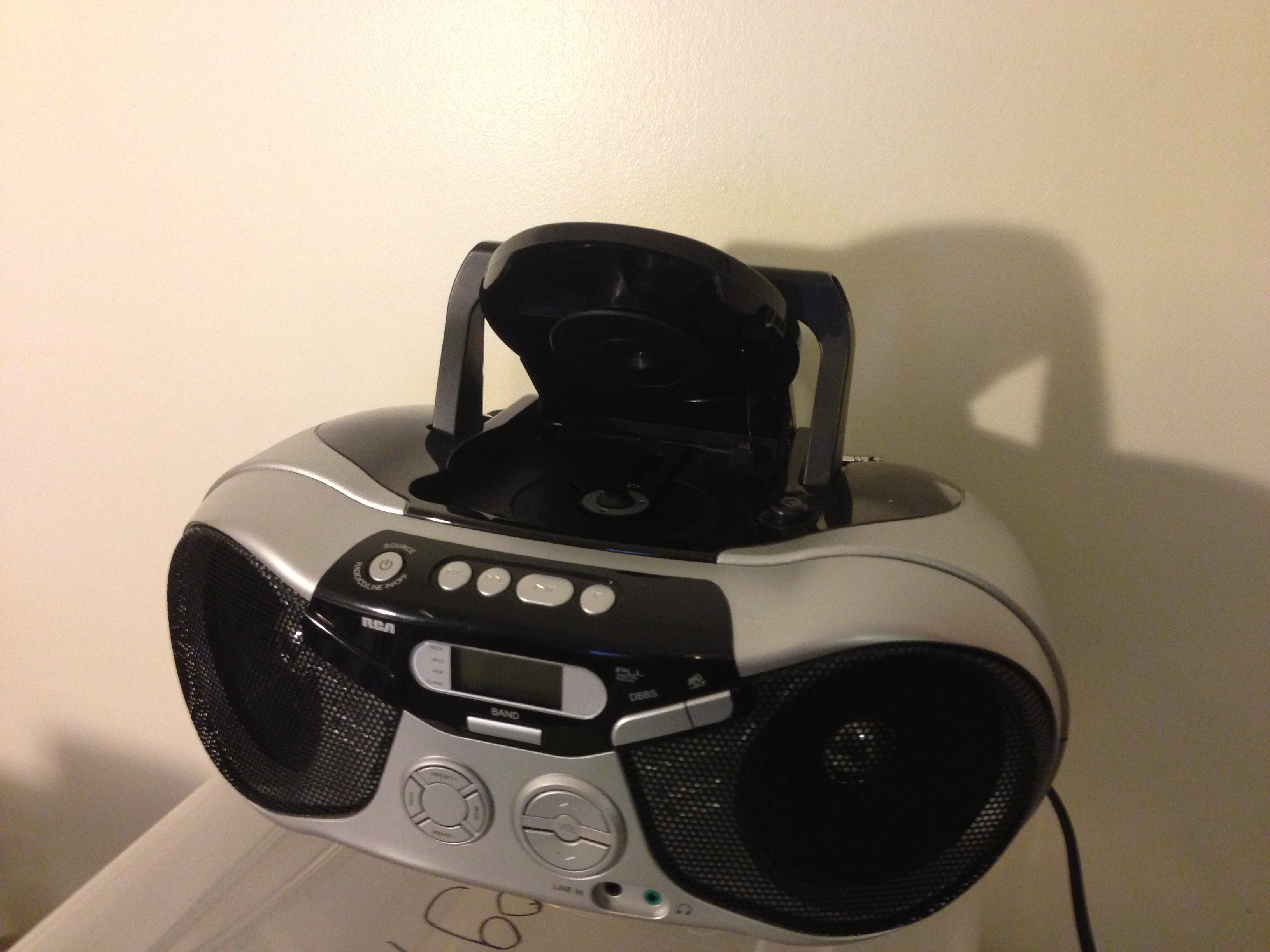
“Music was my refuge. I could crawl into the space between the notes and curl my back to loneliness.”
― Maya Angelou
If you follow Hearing Elmo you know that I want the emphasis here to be on invisible disabilities or chronic illnesses. Yes, my own challenges include hearing loss and Meniere’s disease but I always try to draw parallels to what unites us as a community of differently abled people!
I normally do not let this much time go between posts. I like to have guest bloggers (interested? email me at denise.portis@gmail.com), and I prefer that new posts are uploaded every Monday. I was dismayed to see that so much time has passed since my last post. It isn’t because I haven’t had the urge or the time. I’ve actually been trying to figure out HOW I wanted to say something without really getting caustic.
Do you have some pet peeves? Come on…’fess up! We all do, don’t we? Because we are individuals, we all have preferences, dislikes, and pet peeves. We have special things that MOVE us. There are things that energize our spirits. Yet, there are things that depress us. And folks? There are things that TICK US OFF. Consider me ticked off.
Not a Great Example?
While prepping for this post, I was relieved when I realized the person I bawled out is not a reader of Hearing Elmo. Small chance they will discover I’m relaying what happened on here – but rest assured they were fully aware of my opinion when the conversation was finished!
“I can’t believe you don’t listen to music. As a cochlear implant advocate, that is not a very good example! ‘It is too much work, is a cop out’ ”
I was stunned.
Cochlear implant companies have been working hard to make sure that those who “hear again” can also enjoy music in addition to hearing voices, being able to use the phone, and most recently to be able to enjoy water sports without having to “remove your ears”.
But I don’t listen to music. I concentrate better in the car when I do not have the radio on to interfere with my attention. On really long commutes, I do listen to talk radio. However, I don’t listen to music. Not even 80’s music which include songs I listened to while in high school! Oh sure, I have all the gadgets, wires, and assistive technology to allow me to listen to music. I just don’t like the way it sounds. Just as I worked hard at hearing voices I couldn’t see (phones), and hearing voices amongst a ton of background noise, I could devote time to listening to music – but I don’t.
Ummm… How is this Relevant?
You are probably wondering where I’m going with this. You’re shaking your head “yes” at your computer screen, aren’t you?
We have to respect the individuality of other people.
I have chosen to make the invisible things about me – visible. It was my choice. I did these things to celebrate who I am and to unashamedly live MY life.
I use a metallic purple cane on my really bad balance days. I chose to mitigate my disabilities with a service dog. I chose a cochlear implant instead of “embracing my deafness”. After a great deal of research, I chose the Nucleus Freedom instead of another brand. I wear bling-bling and would wear blinking lights on my coil if I could figure out how to make a go of that. I am only unilateral and have chosen not to go bilateral. I chose to work hard at communicating effectively. Music was just not important to me.
Is music important to you? As a person with hearing loss did you work hard at being able to once again enjoy music? Are you a musician? Does music fuel your soul? I’m am so happy for you – really I am!
But we are not cookie-cutter versions of each other. What was necessary, important, and “worth it” to you may not be the same things another would choose to work towards.
There ARE a few types of music I listen to one of which is Christmas music during the holidays. However, can I get a shout out for DISNEY TUNES? For some reason, I have really connected to a number of songs from Walt Disney movies. These animated movies were the first I viewed with closed captions as I developed hearing loss when my kids were small. Once I was implanted with a cochlear implant in 2005, one of the first types of music I DID make sure I listened to were some of these Disney songs. One of my favorite was detailed here AND just so happens to go along with this post.
United we Stand, Divided we fall
So as people who have invisible disabilities or chronic illnesses, we should strive to be respectful of individual choices. It is hard enough to work and live among folks who don’t always get it. Surely in our own community of courageous people we can respect individual choice?
Don’t agree with everything someone says or does despite your sharing a diagnosis? Cut ’em some slack.
What are some things that have left you feeling peeved when judged by your peers?
I received an email this week from one of Hearing Elmo’s readers. With her permission, I wanted to use one of the questions she asked for this post.
“Love your blog, but sometimes it makes me depressed. You are always so upbeat, and it seems as if you have it all together. Don’t you ever have a bad day?”
I had to smile when I received this email, and I’ve had this question before in various venues. I have actually shared “the good, the BAD and the UGLY” before on Hearing Elmo, but I do try to keep it positive. In doing so, I also strive to keep it REAL.
Having said that, I have bad days. Believe me! As a matter of fact the summer months are often my worst. I don’t work as much – or like this summer, not at all. Too much time on my hands is not a good thing. I try to stay busy and I made sure I signed up for some classes. I’m busy applying to grad schools (again). I’m cleaning more (grin), and have some extra time for Fidos For Freedom, Inc. However, I get depressed. I have days I just feel BEAT.
Did you know that it is perfectly normal for people with chronic illness or invisible (or visible) disability to get depressed? Everyone struggles with periods of depression. Life is hard. I use to wonder if people with physical challenges had a higher probability to be depressed compared to the population without those challenges. In my interactions with various populations, I couldn’t help but wonder if we are more prone to depression? Then I developed a passion for psychology, so I thought one day, “What do the experts say?”
After writing a number of papers on the topic and being forced to look up scholarly, peer-reviewed research, I found that people with disabilities CAN be more prone to depression. So if you have days you just want to surrender? Give up? Wave that white flag? You are NOT alone.
Bryan Kemp (2005) said, “Depression is one of the most common, if not the most common, secondary conditions associated with disability. When it is left untreated, depression can cause inordinate personal suffering, increased disability, additional health problems, and stress in others” (p. 234). I thought it was very interesting that although depression is not an uncommon diagnosis, in folks with disability it can actual make your disability WORSE. I have friends and fellow-bloggers whose disability actually IS depression. We cannot continue to pretend that a diagnosis of mental illness is not debilitating. It is a SERIOUS illness. However, depression can be and is often a comorbid diagnosis to people who live with chronic illness or invisible disabilities.
In one study, 71% of people with Meniere’s disease were also depressed (Coker, Coker, Jenkins, and Vincent (1989). For people who have hearing loss, “Several studies have shown that uncorrected hearing loss gives rise to poorer quality of life, related to isolation, reduced social activity, and a feeling of being excluded, leading to an increased prevalence of symptoms of depression” (Arlinger, 2003, p. 17). These stats are only for the two “major players” in my own life. People with Chronic Fatigue Syndrome, Fibromyalgia, Lyme disease, Multiple Sclerosis, Parkinson’s, Diabetes, vision loss, anxiety, and many OTHER conditions are often struggling with comorbid depression.
So are you having a tough time coping with your own physical or emotional challenges? Do you struggle with symptoms of depression in addition to your day-to-day challenges? You are not alone.
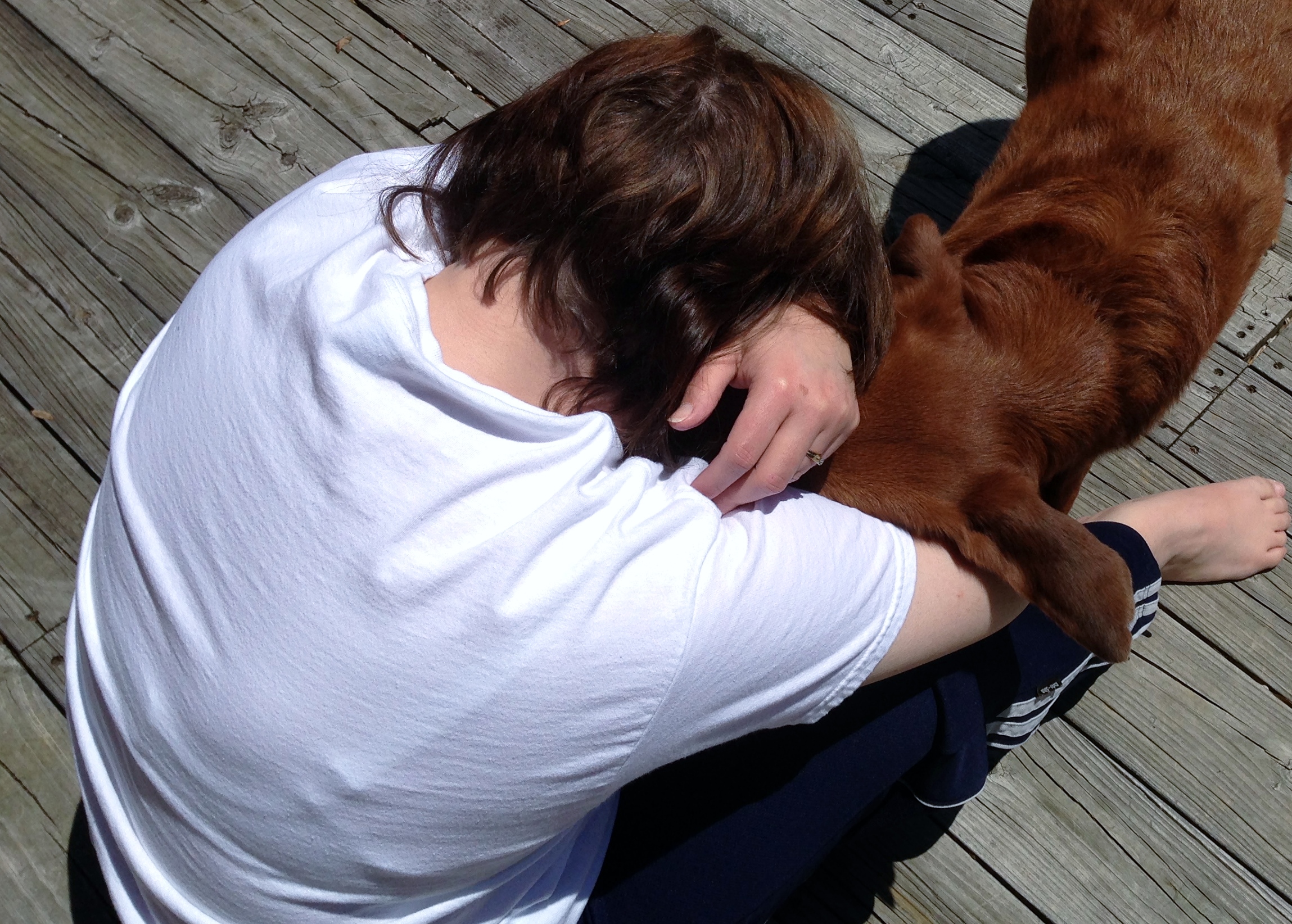
So please know that although I don’t often write about feeling depressed or anxious, although I do not post about what a “terrible, horrible, no good, very bad day” I am having, I do indeed have these kinds of days! I’ve struggled to get out of bed (despite my red-headed, well-trained alarm clock). I’ve cried myself to sleep. I have pushed people away in anger – embracing self-imposed isolation. I’ve yelled at God at how unfair it is. But in the end, I do strive to be upbeat. It isn’t always easy. There are times I feel like a big, Fat, LIAR. Yet, I work hard at having a positive attitude. I’ve learned that if I change the direction of my “thinker”, I will change the attitude of my “feeler”. It is really cognitive behavioral therapy in a nutshell! Laura King (2011) said, “… the emphasis is on reducing self-defeating thoughts, with its emphasis on changing behavior. An important aspect of cognitive-behavior therapy is self-efficacy” (p. 538).
Something that really helps me is working hard to reach out to others. I have a number of support groups that I meet with in person, others through venues like FaceBook, and still others in online forums. Knowing I’m not alone is very important to me. Being able to commiserate with others who truly understand is of great value. I encourage you to reach out to others. Even if you are unable to locate “in person” support groups, there are a number of ways to find this support online. We need each other.
Arlinger, S. (2003). Negative consequences of uncorrected hearing loss: A review. International Journal of Audiology 42(2), 17
Coker, N., Coker, R., Jenkins, H., Vicnent, K. (1989). Psychological profile of patients with Meniere’s disease. Archives Otolaryngoloy Head and Neck Surgery 115(11), 1355-1357. doi:10.1001/archotol.1989.01860350089021.
Kemp, B. (2005). Workshop on disability in America: A new look. Washington D.C.: The National Academies Press.
King, L. (2011). The Science of Psychology. (2nd ed). New York: McGraw-Hill Publishing.
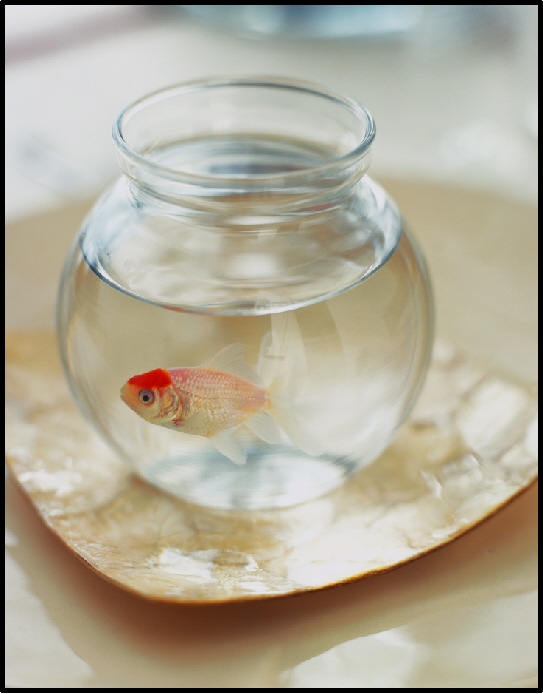
Half empty, or half full? Well MINE has a goldfish in it.
I was in line at my local grocery store recently and overheard two women talking behind me. They were there to purchase their lunch evidently as they had salads and drinks only. Normally, I let people with just a few items go in front of me. For once, however, I was actually only there to pick up a couple of things I had forgotten in a previous trip. Besides… I was having too much fun eavesdropping.
Evidently one of the women had recently been dumped. Her friend and co-worker was trying to give her a pep talk using the old analogy of a “glass half full or glass half empty”. I continued to listen in, partly because I was thrilled I could do so <BIG GRIN> but also because I was really fascinated by the arguments she put forth about an issue that to her, was black and white. It was either a great thing you got dumped, or a really awful thing.
Lines were moving pretty quickly, so before I knew it I was headed out the door with my bag and faithful hound dog in heel. I continued to think about the analogy. The original intent was meant to convey, “Are you a pessimist or an optimist?” We all have relatively fixed personalities, but they can be adjusted. Cognitive behavioral psychology capitalizes on that truth to help people change negative thoughts and behaviors.
I really believe most of us do not respond to everything in a “half full” or “half empty” way, however. The more I thought about my own responses to life as it happens, I realized it certainly isn’t a “half full” or “half empty” option for me at least. My glass has a goldfish in it.
My Goldfish
I think folks who live with disability or chronic illness, cannot react to life in a concrete, optimistic or pessimistic way. For me, hearing again with a cochlear implant and navigating life with a balance disorder means that I react to life in a different way just because those two things are a part of who I am. I don’t just have a glass of water. Mine has a goldfish in it. I’ve learned how to take care of my goldfish. I wouldn’t be who I am without my goldfish.
I have some friends in a Meniere’s disease support group who have said that because their “glass is half full” (or half empty depending on their personality), things normal people deal with are just different for them. If they have a headache, are diagnosed with cancer, or lose someone close to them it is compounded by the fact they also live with an invisible or chronic illness. I get where they are coming from and understand what they are trying to say. They believe that experiencing normal life things (diagnosis, loss, etc) are different for them because they do so from a body that is already dealing with something else.
We all know each other pretty well in this group so when I bring psychology into it, they all roll their eyes at me. I truly believe that living with a chronic illness is all about perspective – but not in a “half full” or “half empty” kind of way. When I mentor someone, I try to help them get to a point of acceptance as soon as possible. Acceptance is not an attitude of “I give up. I’m not fighting anymore”. It is a recognition of the “new you” and learning to understand your new normal. That “normal” may even change if you have an illness that fluctuates or is a degenerative disease. For me, it was important to acknowledge this goldfish. I can’t change it and I don’t get a new glass. This is me… and I have a goldfish.
Just accepting that, has allowed me to be the best ME I can be. Psychologist Jennifer Kunst said, “The good news is that when relative changes can be made in one‘s basic approach to life, it makes a big difference. A modest change in your filter doesn’t change who you are at the fiber of your being. It helps you become a better version of yourself” (Kunst, 2012, para. 4).
For me, the hardest thing wasn’t that goldfish or learning how to take care of it. The tough thing was being around a whole lot of other people with only water in their glass.
“Sure, I’ll meet you up in the classroom, but I’m taking the elevator at the end of the hallway. See you in a few…”
“The dishwasher is running so I need you to come in here if you are going to ask me questions.”
“I hate to interrupt you, but I need to go up these stairs and I have to actually concentrate. Hold that thought…”
Family, friends at church, co-workers, and neighbors, are so accustomed to my goldfish they don’t really even see it anymore sloshing around in my glass. No one knows me better than my husband, Terry, I suppose. Yet, I even have to remind him that although I can talk to him in a restaurant that is almost empty without looking at him, I really need him to put his coffee cup down if the restaurant is full so that I can read his lips. It is my responsibility to feed my goldfish. Not his. I may have explained to him twenty different times that there are atmospheres I will hear “near normal”, and environments in which I’ll need his lips plastered to my forward microphone. However, it is my responsibility to communicate this to him.
We have very narrow staircases at home. On “good” days, I can jog up and down the stairs. Terry isn’t surprised anymore if I ask him to carry the laundry downstairs before he leaves, when I may have been “jogging” earlier. He isn’t shocked if I tell him to “go on up” at the end of the night, knowing I’m going to need to go up on all fours and take the time to do so. He knows I will communicate what I need. This goldfish is mine.
There is a terrific list of “acceptance rules” that the University of Washington put out. You can access it here. Two of my favorite “acceptance of the goldfish” quotes are:
Do not make people feel sorry for you or pity you. Get people to view you as an able person who is capable of anything within your reach if the doors of opportunity are open. (graduate student with a hearing impairment)
We should focus on the ABILITY in disability more than the DIS. If we can do that, then we are more apt to succeed. Also, know your limits. If you don’t know what you can or can’t do, how do you expect other people to know? Plan for success by using more of the cans than the can’ts. (college student with mobility impairments)
(University of Washington, 2013)
Don’t be aggravated about the goldfish. Honestly? Everyone has something in their glass besides water. If we were all just glasses of water, we’d all look alike. We are unique individuals. We all have something else in our glass. My opinion is that we accept that. I’m not this person that has a goldfish temporarily. The goldfish isn’t visiting and it isn’t something I can scoop out. This glass with a goldfish IS me. And I’m OK with that. I love what Karen Hall, Ph.D., said in her article “Radical Acceptance”. She said, “Radical acceptance is about accepting of life on life’s terms and not resisting what you cannot or choose not to change. Radical Acceptance is about saying yes to life, just as it is” (Hall, 2012, para. 1).
If I’m not married to you or if I didn’t birth you… I’m just not going to talk to you on the phone! 🙂
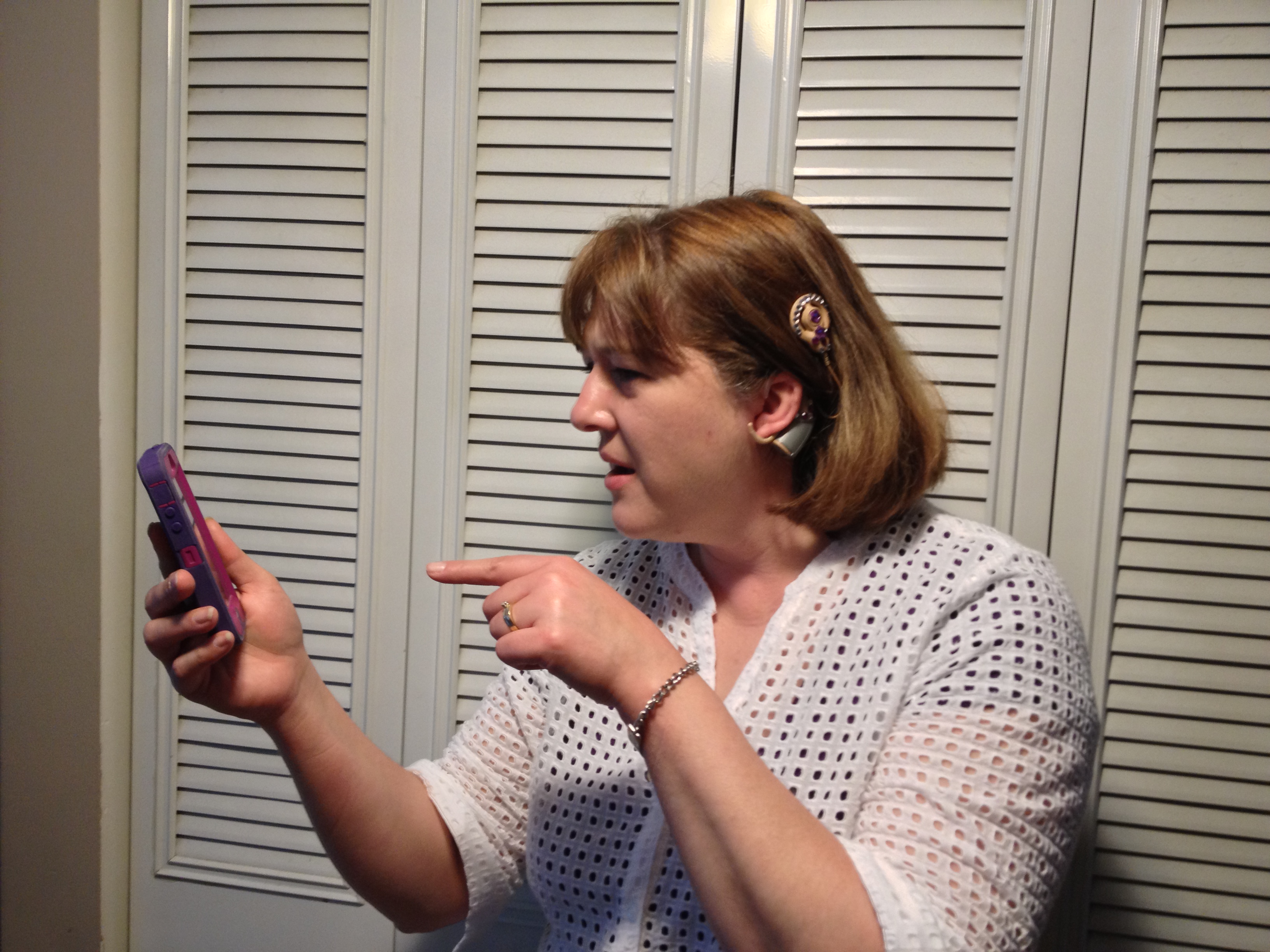
Last week after a meeting with Anne Arundel County Commission on Disabilities, I received a follow-up phone call about changes in a training that I would be participating in for the Public Safety committee. There are five of us on the committee, two of which (including myself) have hearing loss. I never give out my cell phone number, but do have a number that we use as our “home phone” through Google Voice. The reality is that Google Voice isn’t a phone at all. It transcribes messages from a messaging service when people call the number and leave a message. I receive both a written transcription and the taped message.
So I received the message with changes about our training and read/heard at the end: “Call me to let me know you received this”.
I laughed.
Out loud.
Twice.
I don’t use the phone. On rare occasions I will speak to my husband or grown kids on my cell phone. However, I know their voices VERY well. Sometimes I will talk to my mother but only long enough to ask her to switch to FaceTime. (Always helps to see the face to pick up more of the conversation). With all other people, however, I do not use the phone.
It isn’t that I cannot use the phone. It simply isn’t my first choice (or second, or third choice). If I want to talk on the phone I have to stop everything. No multi-tasking such as continuing what I’m doing on my computer, or folding laundry, or working in the kitchen. I have to sit (that’s right… I can’t stand!) switch to t-coil on my cochlear implant and hearing aid, close my eyes (I’m not kidding), and concentrate. How often would YOU be able to talk on the phone if this were the parameters for you to do so? <BIG GRIN>
Email is a Great Choice
Email is a great choice for people with disabilities or chronic illness. In my opinion, it is actually a great choice for everyone. Why?
1. Email gives a written record of exactly what was said.
It doesn’t really matter if the conversation is personal or business. A written record of what was actually said can help us better remember dates, times, and other important information.
2. Email fits into our schedule.
You can check email on many phones now. You can check email on devices such as iPods and iPads, and Kindle Fire. Many types of technology allow you to read and respond to emails no matter where you are.
When we need to respond to emails from our desks, something business related or important, we can do so on OUR schedule. No playing telephone tag. Instead you can read and respond at a time that is convenient.
3. Email can eliminate communication problems.
Have a habit of interrupting someone mid-sentence? Do you have attention-deficit disorder and are easily distracted by what is going on around you? Is the person you need to communicate with hard to talk to – angers easily, defensive, mumbles, etc? Email eliminates those kinds of problems.
4. Email is free.
Most of us have a computer at home now. If you do not, you likely have a way to access email through mobile devices or at least have a library nearby where you can access the Internet. There are numerous free email options. I personally use Google’s gmail for my email account. However, there are numerous free email options discussed at About.com. You can access that HERE.
Email can also be a great choice for people with disabilities or chronic illness.I am late-deafened and hear again with a cochlear implant. For me, email eliminates the pressure to HEAR. When folks get a hold of my cell phone number for some reason and call, I really do stare at my phone and laugh. Email can be read by special programs such as JAWS (a Microsoft computer screen reader) and written with Braille displays for folks with low-vision or people who are blind. Email font can be enlarged to assist those with problems seeing smaller type. Email can be a great communication device (along with various social media) for people who have difficulty expressing themselves and using their voice. Email may be easily accessed with various tools for people who have mobility issues. Email is available when you are ready to read/send communications… something that may be important to people who have Chronic Fatigue Syndrome, Fibromyalgia, Lymes disease, or other disorder where fatigue and pain are a factor. Can you tell I’m a big fan of email?
Some of you are thinking, “But I just want to hear your voice!” I totally understand that. Even as a person with hearing loss, I understand how important inflection, emotion, and accents may be in communication. We do need to be sensitive to the fact that there are a great number of people who do not feel the same way. Just because you like to hear someone’s voice with a phone tucked under your ear, doesn’t mean that others are able to have a hands-free, low-anxiety audible communication with you. Perhaps Skype would be a good choice for you – free to anyone with a computer or modern cell phone. FaceTime is rising in popularity with people who have Apple products. These communication devices allow people to both hear and see when communicating. You can even have conference calling!
I think the only thing I love more than email is texting! Unless, you want to discuss a major problem called autocorrect… but hey! That’s a topic for another post!
Why are plates ROUND after all? Squares have such nice neat corners. It isn’t as if round plates hold more! Round plates are not any better at preventing food from escaping if you are an – erm – especially aggressiveeater. Or, perhaps TWO-years-old!
I really want square plates. They are different. They accomplish the same purpose. Am I rebel? No, no… you see, my friends?
I’m a SQUARE. That’s right, you heard it first here at Hearing Elmo. (smile)
We May be the Same – But We’re NOT
I have met a lot of people with hearing loss and cochlear implants. We may all have hearing loss, but we are not the same. That is why our hearing aids and cochlear implants are programmed especially for our hearing health profile.
I have met many with Meniere’s disease. I may have the same diagnosis as you do of Meniere’s disease. That does not mean that we share the same triggers. It does not mean that what works to alleviate the severity of symptoms for YOU, will work the same for me.
Unfortunately, even though we may belong to the same community of people – those who live with some sort of invisible or chronic illness, those who are differently-abled, we forget that we are individuals. What works for one will not work as well for another.
There are three cochlear implant manufacturers. I love my cochlear implant. Neither I, nor my audiologist at Johns Hopkins, ever thought I would be hearing this well. My cochlear implant is not “better” than someone who chose another manufacturer, however. Consumers – the patients – have a responsibility to thoroughly investigate all the details about all of the brands available. We pick what we believe will work best for US.
Round plates and square plates do the same thing. They hold food. But some of us like round plates – and some of us are SQUARES.
It always grieves me when I see posts at various online support groups where one member bashes the ideas of another. Or perhaps they are insistent that everyone try their extremely low-salt diet (which happened on a Meniere’s group of which I am a member). It didn’t matter that several of us explained we had tried low sodium a number of times and had found it made little difference.
We need to respect other people’s choice to use round plates – or square ones. In the hearing loss community, our mantra should be “whatever works”. In groups that formed to support those living with Meniere’s disease, we should work on actually BEING supportive. If WE aren’t supportive of each other, how can we ever expect the community at large to be?
Are you a member of a support group for your own illness or disability? Encourage others to be supportive and open to new ideas. Everyone just might learn something! Regardless, we need the non-judgmental atmosphere of a friendly, empathetic community. Respect each other. Before you know it you just might start seeing :
Kyersten and Chloe at the “Candle Barn” in Bird-in-Hand, PA
Discrimination. Pronounced, the word even “sounds” ugly. According to the United States E.E.O.C, discrimination can fall into the following cateogries: age, disability, equal pay/compensation, genetic information, national origin, pregnancy, race/color, religion, retaliation, sex, and sexual harassment (U.S. EEOC, 2013).
For those of us with any kind of disability, the Office of Civil Rights enforces Section 504 of the Rehabilitation Act of 1973, Section 408 of the Rehabilitation Act of 1973, and Title II of the Americans with Disabilities Act of 1990. As I mitigate my own disabilities with a service dog, I was thrilled to see the ADA clarify specifics for folks like myself (See ADA 2010 Revised Requirements).
One of the more troubling truths about discrimination, however, is how quickly the “tables can turn”. Those who are often discriminated against can very easily become those who discriminate. It sneaks up on you.
Teaching the Teacher
The photo above is of my daughter, age twenty-three, and taken at one of our favorite “day trip” areas. Bird-in-Hand, Pennsylvania, is a quaint little village in Lancaster county that makes you feel as if you’ve stepped back in time. Kyersten is a young adult now and I’m pleased we are friends. She has taught me many things through the years as she usually presents tough topics with the poise and thoughtfulness someone twice her age would do.
I always welcome one-on-one talks with her, but in early 2010 I initially was NOT pleased when she informed me that I was discriminatory towards people who had normal hearing.
I sputtered, “Wha…?”
Like she tends to do she began to systematically present the proof. “For one thing, when you are exasperated with a communication problem, you call us ‘hearing people’. Makes me feel like a different species!”
She continued her argument by explaining that I often forget that people without disabilities can be just as big a champion for folks with disabilities as the individual themselves. This may be especially true of those who care for someone with disabilities.
Later, a discussion with my husband had me really feeling sheepish about my own apparent hypocrisy. “It’s perfectly natural to seek out people who struggle with the same things you do, but when is the last time you befriended someone without disabilities? You have OTHER things in common with people. For example, your faith, your background, and your profession… all put you in specific environments where you can get to know people and enjoy the reciprocal benefits of friendship.”
OUCH.
“License to Kill”
To “self-identify” is a topic discussed in many forums. Many believe that to do so goes hand-in-hand with acceptance and self-respect. One of my favorite “women of courage” buddies is a young woman by the name of Hunter. She and I both received our assistance dogs from Fidos For Freedom, Inc. Hunter was the first person I heard use the term “differently abled” instead of disabled.
I totally “get” choosing a more positive spin on a word many of us hate at times. However, I’ve also learned that because this is STILL the way the law identifies us (and protects us), I’m OK with being a person with disabilities. (Though like Hunter, I will quickly point out exactly how I simply do things differently…)
Labels – even those we pin on ourselves – can go SO WRONG, however. Once we start behaving as if our status “sets us apart” and in some way elevates us over another, we’ve really lost our purpose. Our goal is equality after all, correct? Many blogs I follow written by people with disabilities or who live with invisible illness, simply want to be accepted and treated normally.
I’m disabled and YOU are not… therefore I’m entitled to this, and This, and THIS. Obviously, a person who does this has missed the point. Yet, just as we may inadvertently reverse discriminate against those who live WITHOUT disability or invisible illness, we may choose to wear our “badge” as if it gives us free reign to disrespect others.
Guard your Tongue
Are you a person with a disability? Do you live with invisible illness? Does a chronic medical condition shape who you are? Do you have a service animal?
YOU are a person of influence.
Recently, I went to get a new contact prescription. I’m having to do so every 4-6 months unfortunately. As a result, I’m getting to know my eye care professional very well. At my last appointment with her encouragement for me to “see a specialist” ringing in my ears, she rolled her chair closer to me and said, “Can I share something with you?”
Immediately wary of the WAY she said it, I hesitated but said, “Sure! What’s up?”
She shared, “Until I started seeing you, I hated knowing a hard-of-hearing patient was waiting for me in the examination room. In the past, hard-of-hearing patients seem to be defensive, argumentative, and easily frustrated. I understand it can be hard to look through corrective lens with the Phoroptor as it means you cannot see my face to hear, but you are the first to not act as if it is my fault”.
I was stunned. I’ve always used humor to try and alleviate any discomfort others may feel as I enter an establishment with service dog and blinged-out cochlear implant. Yet later, I found myself wondering if I had ever treated someone poorly simply because I was frustrated.
Hopefully, my ability to laugh at my own fax pas and miscommunications will compensate for some of the bad experiences my optometrist had with people who have hearing loss. With regret, however, I could remember many times where I “blew it” and had a negative influence.
One rainy day, I entered a new building on another campus for a class and stopped at the security desk for directions. Before I could state the problem, the campus officer asked, “Why is that dog in here?”
Yeah. She could have stated it a little more diplomatically, but I became immediately defensive. I blurted out all the ADA information I knew about service dogs and then said with exasperation, “Where are the elevators for the classrooms above?” Several weeks later after classes were finally routine for me, I had to stop and apologize to her. I was out of line.
Every encounter you have with people at work, stores, places of business, and even church are an opportunity for you to be a GOOD influence. You set the stage for future encounters for these folks. We can be a good influence or a bad one. We shape future encounters for people just like us. Remembering that has helped me be a little more patient.
Bottom line, my point? Let’s practice what we preach…
In today’s world of media overload, with technology and electronics in every household, the word “unplug” usually means when an individual deliberately steps away from these items to recharge.
For many with chronic illness or invisible disability, to unplug might mean something different. Saturday night my small living room was seething with emotions. There were five adults, including myself, parked around a television watching the Ravens beat the Broncos. We had hoped. We had prayed. But all the experts had convinced us the Ravens didn’t stand a chance. To watch the game unfold and the Ravens take the win in double overtime, my senses were in crippling overload. Long ago I conceded using closed captions during a NFL football game. I admire and appreciate the hard work of those who work for the captioning organizations, but the captions really do interfere with watching sports as there is no “perfect” place to put the captions and not cover up a play or stats. So I was watching the game by only utilizing my cochlear implant and hearing aid.
I watched five minutes of the post-game show and quietly headed upstairs. Once in my bedroom, I flipped on the light and opened my Dry ‘n Store in one practiced motion. Off came my “ears”, off came my shoes, and I threw myself onto the bed with all the grace of a wet noodle. Chloe hopped up and snuggled close, perfectly content to escape all that testosterone downstairs. I think I laid there with my eyes closed for an hour – not napping – just coping. I needed the quiet. I love my bionic hearing, but there are times I literally suffer from sensory overload. My eyes, ears, brain, and yes VOICE were worn out. I needed to unplug.
There have been times I have pushed through that feeling of “I need to unplug” and only regretted my choice to do so. I am more prone to fall when worn out. I miss things when communicating. My speech actually deteriorates when I reach the breaking point. Hearing takes work – at least for me it does. You might not be able to tell by looking at me that I need a “senses” break because hearing loss and Meniere’s disease are both invisible. Goodwin and Morgan (2012) explain that, “many chronic illnesses have highly variable symptoms that are largely invisible to others. The symptoms can cause fatigue and pain, affect cognitive function, create sudden emotional shifts, and even impair speech“ (para. 6). It is in my best interest to know when I need to unplug.
I know many people with hearing loss who unplug in their own way. One bilateral friend takes long walks with just her camera. She has a real knack for connecting with nature and sharing that connection through her camera lens. I suspect it is her way of unplugging. She may have her “ears on” still, but nature’s melody is a distinctly different sound than what one hears in a crowded cafe or work environment. Another friend with bilateral cochlear implants actually takes yearly retreats. She not only unplugs, she truly isolates herself in order to fully rejuvenate and refresh her soul. Many with hearing loss, however, simply go to bed early. It doesn’t bother me at all that my family teases I’m the first one in bed every night. I require a full eight hours of sleep – hard to do in the day and age in which we live!
Use a Calendar
My calendar is very important to me. However, it is not because I forget appointments if I don’t schedule things carefully. My calendar is actually a tool I use to help me know when to unplug! By carefully tracking what I do in addition to just a normal workday, I can avoid serious physical and mental fatigue. Having Meniere’s disease means that I have to be responsible for how tired I allow myself to become. If I’m seriously fatigued and weak, I am more susceptible to falls and injury. With my doctor’s recent warning ringing in my ears about doing everything in my power to avoid anymore head injuries, I carefully plan each and every week. Many people with various disability or invisible illness must do the same. The Multiple Sclerosis Foundation Medical Advisory Board encourages us to be careful planners. “Conduct an energy audit. Ask yourself how much energy do I have? What time of day do I have the most energy? What time of day do I have the least energy? What do I want to do? What must be done? What can wait? Keep a journal and record your daily activities along with the times that you do them. This will enable you to recognize your patterns of fatigue more readily. Monitor these patterns and plan your day accordingly” (MS Foundation, 2009, para. 14).
When I see that a day is as full as I dare allow it to become, I block off any other available times. I know I will need the latitude to unplug if needed. I may even have to turn down opportunities to visit with a good friend, or going to something I would really like to do. My calendar enables me track what I know I’m capable of doing in any given day.
Using a calendar can also help people with invisible disability or chronic illness to determine what is really important. I have become an expert on running errands… making sure to do things all in the same area of town so that I do not have to make any special trips – which are time thieves. Having to do spur-of-the-moment errands may mean I do not get to do things that are really important to my mental, emotional and spiritual health. Morgenstern (2008) is adamant about controlling your schedule, and failure to do so creates a life that not only runs you ragged, but regularly throws you curve balls and prevents you from focusing on the things that matter most. For those of us who live with disability or invisible illness, this may mean we set ourselves up for injury, debilitating fatigue, mistakes, or relapse. Getting control of your schedule can only benefit you.
I hope you have learned to unplug when needed. One doesn’t need to lay in the dark, isolated from all sense-sapping triggers. You can relax on the deck with a cup of coffee. Take a bubble bath! Read a good book. Immerse yourself in a hobby. All of these things can help you unplug and recharge!
Every once in awhile, something happens that really “jerks the rug out from under me” in regards to disability and invisible illness. Hearing Elmo, numerous support and community service groups, and strong connections with others who GET IT, usually keep me cruising along with optimism and a healthy passion for life. However, once in awhile something may happen and I ALLOW it to undermine my confidence and throw me for a loop.
About a month ago I was at church and turned to walk out of a small group study into the foyer. A person I see everysingle Sunday stuck out their hand and shook mine saying, “Is this your new dog?” Because I have a hearing loss, I default to a specific response when I hear something that I know cannot be right. I’m desperate to clear up what my ears MUST have misunderstood so I am eloquent in my response:
“HUH?” I asked with big eyes.
He repeated, “Is this your new service dog?”
I stammered and was able to eek out, “No, I’ve had Chloe for almost 6 years now” and walked/wobbled away as quickly as I could. I could hear him still talking and looking uncomfortable (I’m sure I looked completely shell-shocked), but I wasn’t going to stand around and “play nice” when I felt truly sucker-punched! I made my way to the car and sat waiting for my husband, trying to make sense of what I’d just heard.
Prior to this I had missed a Sunday. Chloe had been sick one weekend (something that happens as she is in contact with so many things a pet is not) and having been up all night, I skipped church with her. Had this church leader asked this because Terry probably informed him I was gone because of a sick pup and he assumed much more than what was going on? If he sees me each and every Sunday, how do you not recognize the bright, red dog who has been my partner for almost 6 years? How in the world can someone get a specially trained service dog so quickly even if you DID have to suddenly retire another dog? Did he not know it took me 15 months of training to even get matched with Chloe? You don’t slap a vest on a pet dog and call it a service dog. These dogs are tested for temperament, trained for public access, and trained to perform specific tasks. It takes years and thousands of dollars! All these questions whirled through my head.
I’ll be honest with you and admit…
I WAS MAD. After that though I was actually very hurt. A couple of weeks later I finally ‘fessed up to my husband about what happened at church. Small miracle THAT to keep it quiet from him that long – but proof positive how deeply this had affected me.
There are some real perks to being married to a psychologist. Long story – short, after discussing all the reasons this person must have misunderstood what was going on in my life, we agreed that some people just don’t get it. This doesn’t mean they don’t CARE. They just don’t get it. My response has to be – CUT ‘EM SOME SLACK.
Even though this person is in church leadership and sees me every Sunday, to my knowledge they do not have anyone close to them who lives with disability or invisible/chronic illness. I don’t think they even own a pet dog and I’m probably the only one they know with a service dog. We don’t hang out. I don’t share my life with them. (They don’t read Hearing Elmo – smile).
You are going to have people in your life you simply must, “cut ’em some slack”. Maybe they are a co-worker that you don’t work with very often – maybe only a couple of times a month. Maybe it is a cashier at a grocery store who you occasionally see when you are in her line; or, perhaps a bank teller, physicians assistant at a doctor’s office, or UPS man ringing your doorbell.
Don’t get me wrong. I’m the first one to encourage folks to educate in a proactive and positive way, how best to communicate, or assist (if needed). However, the people you take the time to share how best to interact with you, are folks you have a more intimate relationship with and see frequently. Close co-workers, friends, parents of your KID’S friends, people you see more often and converse with a lot… these are folks you are proactive with and to whom you communicate your needs. They very likely will care enough to ask YOU how best to assist or communicate. This means there are plenty of folks you’ve left out of the loop
on purpose.
They don’t need to know the details. You may have a relationship with them, but it is not a close relationship. I, for example, do not need to let a church leader know how long it took me to get matched with Chloe, nor how often we continue to train at Fidos For Freedom to polish and perfect our skills each month. We make eye contact and smile once a week. We may shake hands one or two times a month. This person does not need to know how badly he erred, nor do I need to take him to task for being clueless about something I’ve not invited him to know about regarding ME.
There are folks at work, church, and whom I interact with often enough that they have learned how best to communicate with me. It may be a friend inviting me over to her very quiet, empty house to catch up! It may be a nurse I see often at my primary care doctor who quickly re-reads the bookmark I asked to be stapled in my chart that reminds her I need her to face me. It reminds her I have Chloe so she helps me make sure Chloe doesn’t have her paws on the scale when I’m weighed (seriously, right?). It may be the lady I see every morning walking her dog who use to act hurt when she struck up a conversation with me and I didn’t hear her at first. Now she stands nearer and faces me and we talk about the weather or our families as we “potty our dogs” before heading out! It may be the friend in small group at church who knows I’m having a really bad balance day. As I sit in the back out of the way, she stops to confirm, “So if you pass out… I keep everyone from calling 9-1-1, and just get Terry, right?” It may be the co-worker I see every day while retrieving my mail from the Arts & Sciences department. Our boxes are next to each other and it stood to reason that I explain I only need her to get my attention first before speaking…
You know who needs to have a more clear idea of “who you are”. But there are plenty of people we need to cut some slack. We just do not see them frequently enough to take the time to give them our life story (smile). You know the difference. I’m not saying it is EASY when misunderstood. I felt mad, then hurt, then filled with righteous indignation, bent on educating someone who really isn’t a part of my life. I had to let it go.
I’m learning a life worth living is all about choosing the battles and knowing when to take a stand. We learn to determine who to take to task and who to cut some slack. We never stop learning!
It’s that time of year again. The end of a semester. The beginning of “panic week” for students in colleges all across the country. For my own classes, this means that students are rushing to get it the extra credit because their grade isn’t going to be what they’d hoped. I offer a fairly easy, yet time-consuming extra credit incentive.
– Turn in a 3-5 paragraph essay of your own reflections on the book
I’m always tickled at reading the student’s responses to this book. It’s an “easy read”, but difficult material. Jaycee Dugard writes about her long-term confinement after being kidnapped. Students normally respond with one of three attitudes.
1. They are ticked off. The theme of their essay is how unfair and unjust this case was. They are upset at all the many “players” along the way that should have seen, should have intervened. They yearn (and demand) justice.
2. They are shocked. Many are fully aware these horrible crimes occur, but to read a first-person account of someone who SURVIVED really leaves them wondering how the world can be so evil.
3. They are grieved. Some feel very down – even depressed – after reading the book. Many actually try to contact Jaycee through forums or email to let her know they look up to her and wish her the best. Some may have experienced some form of abuse themselves so they feel empathy as well. They admire Jaycee’s courage and resilience.
How Do We Respond?
While reading essays this weekend and assigning extra credit points to hyperventilating students, it struck me how similarly we tend to react to life’s problems and challenges.
I know plenty of folks who have responded to invisible illness or disability by being tickedoff. They feel it is unfair they have to shoulder this burden. They may enter “offensive mode”. They make sure everyone around them are aware of the unfairness of it all, and to make sure everyone treats them with continued respect – disregarding the changes in their lives. After all, they didn’t ask for them.
Some people are shocked. The rug has been jerked out from under them and they are still sitting on their fannies watching the room spin. How did this happen? Why did this happen? I’m all ALONE! Someone HELP ME! They are often at risk to isolate themselves or become depressed.
Many people feel grief, actually going through the stages of grief as they learn to cope with their “new normal”. They may reach out to others – their peers who face the same struggles that they face each and every day. They eventually find – and become – heroes.
Do you feel that your invisible illness or disability has essentially “stolen” your own life? Do you feel out of control and unable to cope? Have you responded with anger, shock, or grief?
The Internet is a wonderful thing. I truly believe that people with invisible illness or disability are at an advantage compared to the lives of those who experienced the same before the Internet. It is a simple thing to go to your browser to search, discover, and benefit from online forums, support groups, and advocacy communities. You are not alone.
Do you feel as if your life was stolen? Jaycee eventually confided in someone, was rescued and reunited. Need a listening ear? I may be deaf but I listen very well. Or, there are many other avenues that you may find peers to help you through this time. Take part in your own rescue by reaching out. Reunion and a victorious, purposeful life may be just around the corner.






 Hearing Elmo