Post-traumatic Growth (Part 1)

team chatter 2

Nope.

That isn’t a typo. You have probably read articles or news stories about post-traumatic STRESS (or PTSD), but did you know that post-traumatic growth is a related and now often studied psychological topic? There is even a new field called psychotraumatology. Try saying that 5 times really fast…

At Hearing Elmo, I do my best to present topics related to invisible illness, disability, or chronic conditions. Guest writers are encouraged to have some connection to one of those topics.

*SIDE NOTE* Hearing Elmo welcomes guest writers any time! Email me for more information at denise.portis@gmail.com with “Hearing Elmo” in the subject line.
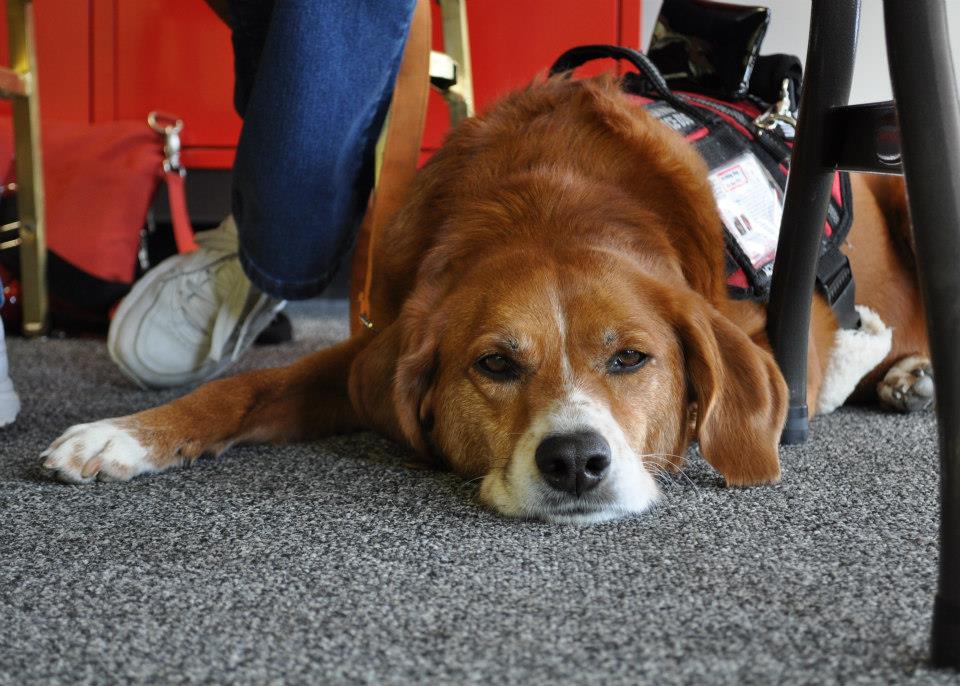
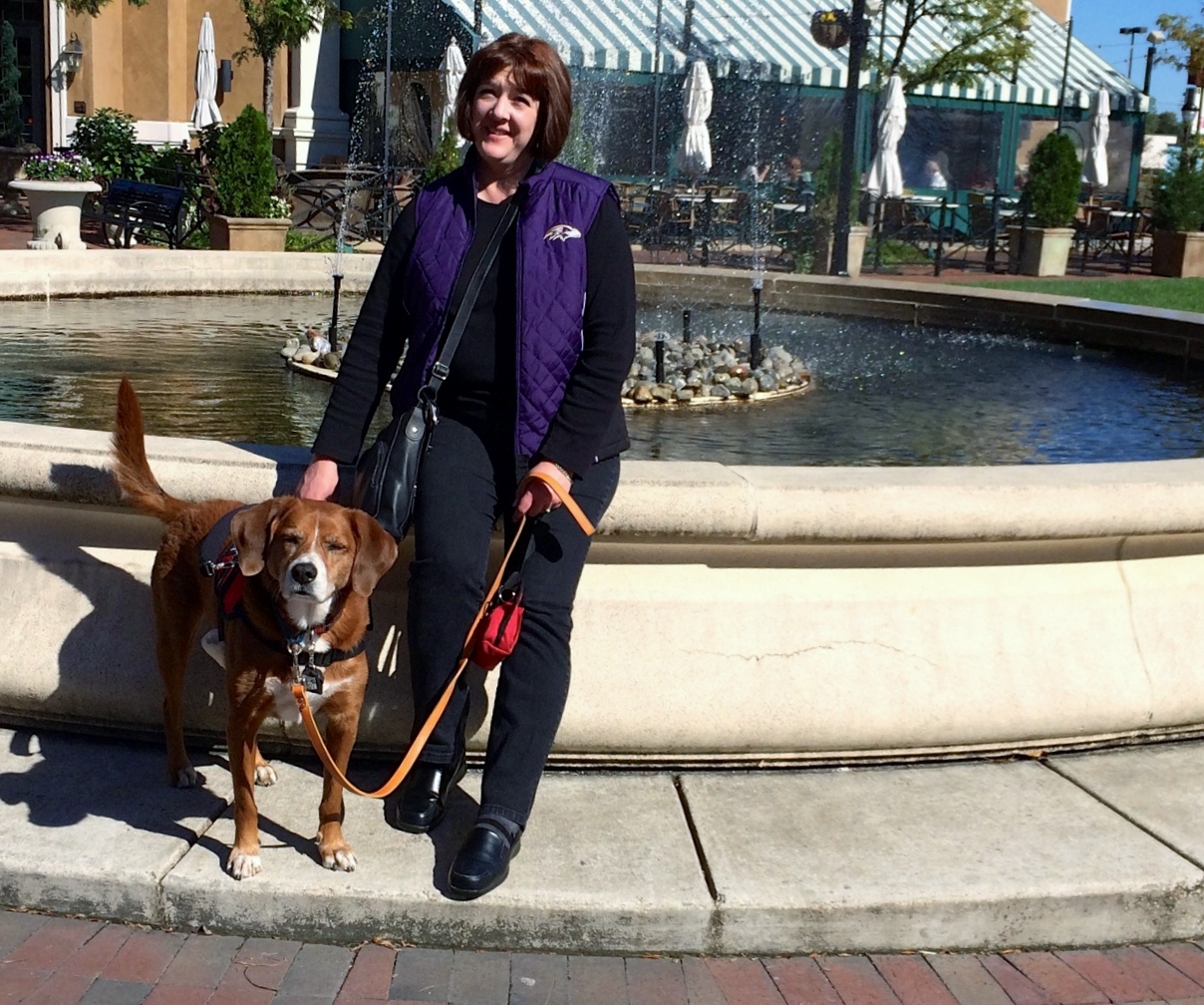
Chloe after 2013 re-certification

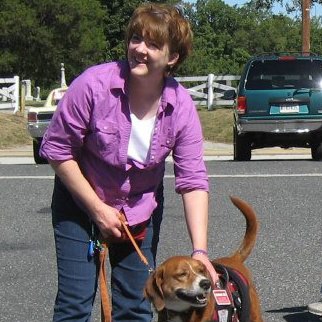
As you know, Fidos For Freedom, Inc. (FFF), is a big part of my life. My service dog, Chloe, comes from FFF but I also stay connected through weekly trainings and volunteering for various jobs each year. The people there have become “family” to me and I have learned so much about the disability community through my connections at this wonderful organization. Something I have observed, is that even if you’ve taken the step to train and be matched with a service dog to mitigate your disability or illness – something that can take “guts” as it can make the invisible, very visible – not everyone responds to “bad things” the same way. Many times it is simply because the person has not adjusted yet.

As my dissertation looms in my very near future, I am already thinkin’ about…

What am I gonna do? (No worries. I *can* use a scholarly voice when the environment calls for it <big grin>)

But back to my original topic! How do people come out on the other side of something traumatic, and find that they’ve grown? Do they have something in common or is the outcome as individual as the process? How do you survive and be BETTER and not BITTER?

These questions are on my mind. A LOT.

I receive hundreds of emails from readers each year and try to respond to each personally. I’m always tickled that a common question seems to be, “How do you have your ‘stuff’ all together so well? I’m floundering here!” I am always quick to respond with an honest evaluation about my own life “after disability”. Folks are surprised. I don’t try to sugar-coat how I’m doing in my own life. I deal with the same things you do:

Depression

Anxiety

Suicidal ideation

Pessimism

The trick is not to stay there. Sometimes it can be worked through on your own. Sometimes it cannot. Sometimes we need help. So how do some people come out on the other side of something traumatic – better? How do people grow in spite of experiencing something devastating?

This is going to be a “two-fer” post. Meaning: I can’t address everything I want to cover in one post (smile). For this first part I want to cover what kinds of things can cause PTG (post-traumatic growth), and clearly define what it is. Next week we’ll look at some other related issues.

What causes Post-Traumatic Growth?

Traumatic experiences.

Kinda anti-climatic, huh?

But for OUR population – those who live with disability, invisible illness, or chronic health conditions – what is a traumatic experience? It can include:

disability

invisible illness

chronic physical or mental health conditions

devastating diagnosis

sexual abuse

violence and victimization

divorce or loss of an intimate relationship

death of a loved one

war

poverty

Basically – anything that can cause stress. Not the run-of-the-mill kind of stress. You know the kinds of stress like, a “bad hair day”, my cat threw-up in my favorite shoes, I locked myself out of the house, or I ate bad sushi. We’re talkin’ the kind of stress that produces trauma. It may be specific to YOU. For example, I have met people who have heard me speak on various topics and have come up and shared that they “don’t get why hearing loss would be a reason to develop depression“. They have hearing loss and they have coped just fine. Variables, my friends… variables. Personality, background, resilience, support, worldview, gender, economics – the list goes on an on. You may respond to a life event completely different than someone else. That’s OK. This is why you hear me encourage folks to reach out and SHARE. Your experiences may help another. You won’t know if you don’t talk about it.

What is Post-Traumatic Growth?

PTG is actually something that came from a branch of Psychology called – Positive Psychology. There are scales and inventories available to see where you rate in PTG. I first started reading about it back when my cochlear implant was first activated. “Hearing again” was a tough journey. I stumbled across the term coined by Drs. Calhoun and Tedeschi. According to them,

What is posttraumatic growth? It is positive change experienced as a result of the struggle with a major life crisis or a traumatic event” (Posttraumatic Growth Research Group, 2014, para. 1).

Their research centers around 5 changes that occur in an individual, post-trauma. These include:

1. New opportunities

2. Change in relationships

3. Increased sense of one’s own strength

4. Greater appreciation for life in general

5. Spiritual or religious domain (Posttraumatic Growth Research Group, 2014)

Have you been diagnosed with a super scary, perhaps life-changing diagnosis?

Have you acquired a disability?

Were you injured, permanently changing the way you live life?

Have you experienced something that left scars (physical, mental, emotional)?

You can experience growth. It may not happen overnight. It may mean that you experience tremendous loss, fear, and grief at first. You may blow it. A LOT. However, I don’t know about you, but I experience a sense of hope knowing that something good can “come of this”.

Comment here or send me a confidential email. I’d like to know how you’ve experienced GROWTH. There is no prerequisite measure. Maybe it wasn’t a lot of growth. Maybe you experienced “three steps forward – two steps back” throughout the process. I’d love to hear from you!

Denise Portis

© 2014 Personal Hearing Loss Journal

Posttraumatic Growth Research Group. (2014). What is PTG? Retrieved January 2, 2014, from http://ptgi.uncc.edu/what-is-ptg/
♫♪ Running on Empty… ♪♫

hferry 013

I’m constantly getting my English idioms and colloquial expressions mixed up – much to my husband’s delight. He teases me about it constantly. So you’d think I’d stop using them, right?

No. Not so much.

Just the other day I said, “I feel like I’m waiting for that ‘feather that broke the camel’s neck‘ to drop!

My husband struggled to choke back his laughter and managed to wheeze out, “Honey, I think that is ‘straw that broke the camel’s back‘ and ‘waiting for the other shoe to drop‘. Honestly, it’s a wonder I ever know what you mean!

Yes, dear. Shut up.

But he’s a good listener so without any further colloquial expressions, I tried to explain why I’m “running on empty“, “circling the drain“, … See? I CAN’T FREAKING HELP MYSELF! 🙂

Running on Empty

I was born in the mid-60’s, which means I’m a child of the 70’s. Do you remember Jackson Browne’s song, “Running on Empty”? If you need a reminder:

I have to tell you, I’m there. You don’t have to have invisible disabilities, or chronic illness to find yourself SPENT.

Used up.

Drained.

EMPTY.

Some of us take on more than we should. It can be hard to say, “No“. Really we need to learn to say that. It’s a little word. Why is it so hard to say? Perhaps we don’t want to disappoint people. Maybe we strive too hard to be indispensable, needed, and purposeful.

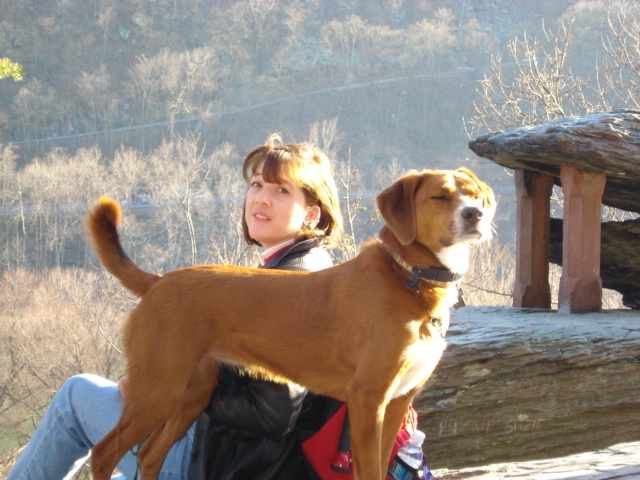
The picture at the top of this post is one of my favorite places: Harper’s Ferry, West Virginia. I like to go during the off-season because frankly? Large groups of school-aged children on field trips is not my idea of a good day. I love the quiet. I love the sounds of nature amidst what you think at first is – quiet. I’m yearning for some reflection time at Harper’s Ferry. I asked Siri if I had any time in my calendar.

First time I’ve ever heard her laugh.

Re-fuel

Selye’s General Adaptation Syndrome explains how we may respond to life stresses. The first stage is ALARM and in it we are motivated to action. Men may experience “fight or flight”. Women default to “tend and befriend” (we reach out). For me, this meant getting help.

The second stage is RESISTANCE in which we cope as best we can. We may actually do OK for awhile too. If the stress doesn’t dissipate, however, we enter the last stage. EXHAUSTION. It can be really hard to bounce back from this stage. It is more than catching up on sleep.

The key is to recognize the stages while you are going through them and experiencing stress. Stress isn’t going to stop. I’ve looked for the stress stop button and it doesn’t exist. But… you click on the HELP button. Help may come in the form of friends or significant others. It may come in the form of faith. At times, for ME it comes in the form of getting alone and refueling. I know…

The price of gas is so high. Who can afford to refuel?

Maybe the better question is “Who can afford to NOT stop and refuel?

Think about that. Deciding when you’ve had enough and something has to give can only be determined by YOU.

Disability and Independence

I work so hard to be independent. But being independent doesn’t mean you refuse to ask for help. I grudgingly accept help from others who extend it without my asking for it. I’m trying to get better about graciously accepting it. I’m discovering that I can be independent and still need help. That sounds contradictory, doesn’t it?

I can do all I can to work independently, interact with others independently, and take care of my needs independently. However, when I dropped a baggie of paper clips on the floor in my classroom, far away from any desk, wall or chair that I could use for support, I had to ask for help. My service dog, Chloe, can pick up small things but should she swallow one in her exuberance to help, I consider the potential consequences too high.

So I asked for help. Within 30 seconds every paperclip was picked up and “paper clip picker-uppers” all thanked. It was painless. By doing so I did not undermine my efforts to be independent.

One of the lines of Browne’s song is, “Trying not to confuse it with what you do to survive”. Don’t confuse the need to ask for help with losing your independence. We all need help. It is how we survive. Are you running on empty?

Refuel. That means different things for different folks. You have to do so! Your trip isn’t over…

Denise Portis

© 2013 Personal Hearing Loss Journal

♫♪ Gloom, DESPAIR, and Agony on Me… ♫♪

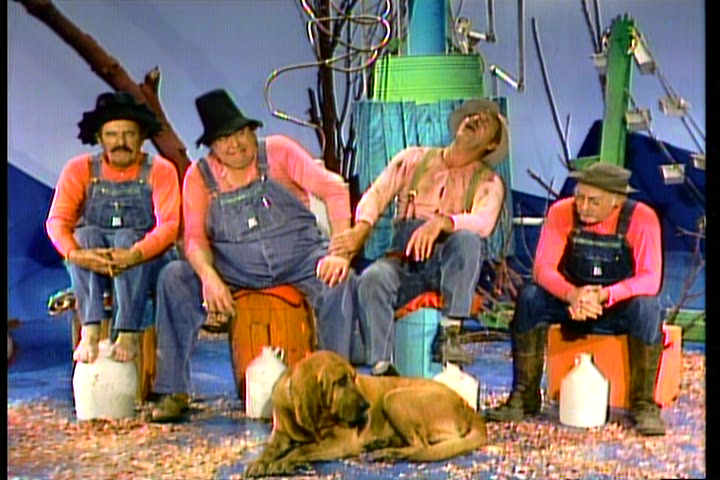
I dunno... maybe it was the hound dog I fell in love with?
I dunno… maybe it was the hound dog I fell in love with?

I have a confession to make. I loved CBS’s “Hee Haw”. Growing up I had three television channels. Thank goodness CBS was one of them. I’d list everything I loved about “Hee Haw”, but frankly I loved EVERYTHING about “Hee Haw”. I’d be listing instead of posting! Some folks hated it – even some of my siblings. But I was a true fan. I loved all things musical, even the “Lawrence Welk Show” and the “Donnie and Marie Osmond Show”. Go figure.

One of the weekly skits was done by a quartet (sometimes trio) of regulars singing “Gloom, Despair” written by Roy Clark and Buck Owens. It is a “right cheerful song” – <BIG GRIN>. Here are the lyrics:

Gloom, despair, and agony on me Deep, dark depression, excessive misery… If it weren’t for bad luck, I’d have no luck at all Gloom, despair, and agony on me…

If you’d like to listen to the lively tune, CLICK HERE.

Now that I’m in my late 40’s and have some “life” tucked under my experience belt, I hum or burst out in song far more “Hee Haw” songs than Lawrence Welk or Donnie and Marie tunes.

If It Weren’t for Bad Luck

Have you ever felt that “if it weren’t for bad luck, I’d have no luck at all”? Have you ever felt as if you were facing “deep, dark depression”? I suppose if I had to pick ONE constant theme in various emails that I receive each week from readers, it would be that people with disabilities, folks living with chronic illness, souls who live with invisible illness… deal with depression. It can be mild forms and only a sporadic nuisance. Maybe it is something you deal with on a daily basis, however, and a more chronic and constant issue for you.

I’m big on citing scholarly research about various topics. However, depression is so closely linked with various disabilities and illnesses, that there are simply to many studies to choose from for this post! I, too, struggle with depression. Gloom, despair, and agony… well OK, maybe not that last one – grin!

Something I’m having to learn to deal with is that I also cannot take many medications available to some who struggle with mild, moderate, or major depression. Dizziness and vertigo are the #1 side effect listed by most – if not all. Having Meniere’s disease can complicate things. You already know I fall a lot. However, I also lose consciousness a great deal from the fact that my head makes contact with something else on the way “down”. Seven mild concussions in five years means that I have to traverse my life carefully and methodically. I have to make decisions to lesson my chances of getting dizzy and falling. What’s a person to do if medications increase your risk of other problems – like falling?

Medications are not the only way to treat depression. As a matter of fact, I believe research shows that best results occur when medications are coupled with cognitive-behavioral therapy. But if taking medications are not an option for you, what can you do? You do all you CAN.

1. Therapy

Talk with someone. If insurance or finances do not make this a great option for you, reach out to folks who may have training in various faith-based arenas like churches or community centers.

Unload on a trusted friend. But do it. Reach out.

2. Self-help books

You can’t go into a bookstore without finding that “self help” books evidently are big sellers. Some of them are actually written by people with real expertise, however. Do some research… find out what is good (not necessarily popular).

3. Join a support group

In a digital age, there are even support groups online. This can be great for people with schedule concerns or privacy issues. There is something pretty special about discussing topics of concern with people who live what you are living. Do you prefer meeting face-to-face? Check out your local library and see what groups might be meeting there. Check with a county commission on disabilities to see if there are area support groups. Consider starting one yourself!

4. Try an “alternative” option

Complimentary and alternative medicines have brought us to a place where meditation, chiropractic medicine, acupuncture, and biofeedback are options for some people. Even herbal remedies for things like mood and depression help some folks. Do your research. Talk to your doctor. There is evidence these avenues have helped people!

Not sure if your feelings of depression are something that actually needs to be addressed? Few problems just go away on their own. When you live with disability or chronic illness, depression can creep into the picture. Psychologists will tell you that it is a co-morbid diagnosis for many who have some OTHER diagnosis. Deal with it. Find something that works for you.

Comments and feedback are welcome! You are not alone.

Denise Portis

© 2013 Personal Hearing Loss Journal

Alone in a Crowded Room

I can clear out a crowded fountain area just by "arriving". My wobble and service dog can put people off.
I can clear out a crowded fountain area just by “arriving”. My wobble and service dog can put people off.

I’m big on time alone. I guess I’ve always been a bit of a homebody. Don’t get me wrong. I love interacting with people. However, if I go to much time without some “alone time”, I’m a grouch. I can tell I’ve reached my limit when I don’t filter what I’m saying and just “tell it like it is”. I’ve always wondered if it is an unconscious desire to drive people away by just being mean and ornery because I want – I NEED – to spend some time alone? It is a little “red flag” for me. If I get grouchy, I examine my schedule to see if I’m spending enough time alone. The time is necessary for me to re-group.

Hearing loss requires ACTIVE listening

Perhaps it is because I have a hearing loss and it requires so much attention just to listen. I may need to repeat all or part of what I heard in order to seek clarification. I can’t listen without thinking about listening. Gone are the days I can prepare food in the kitchen or wash dishes while talking. I have to stop what I’m doing and actively engage in conversation to communicate. I have to see well to hear well. I have to stop what I’m doing and concentrate just to hear.

My husband has been accompanying Chloe and I for our evening walks lately. I’ve discovered that it is even difficult to WALK and talk at the same time. If I’m to communicate while walking, I don’t look to see where I’m stepping. It doesn’t take much for me to stumble. But who can watch the path if you are having to look at the talking head?

Needing alone time means that I prioritize “me time” just to give my mind a break. I don’t even have to “turn my ears off”. But just being able to “be” without having to give something – or someone my undivided attention is very necessary to my coping.

Alone because of Self-imposed isolation

People with disability or invisible illness are sometimes alone by choice. It is easier to be alone than it is to deal with others. Maybe the stares bother us. Maybe we are tired of having to tell the same ol’ story about why we move funny, have a service dog, or overuse the word “Huh?“. Maybe it is just HARD to get out and about. Physical barriers can prevent some people with mobility impairment from creating social networks, creating a feeling of isolation and a lack of access to support (Matt & Butterfield, 2006). It may be HARD to go shopping or run errands. It may require a plan of action not needed by others. Spur-of-the-moment activities may be a thing of the past for people who are “differently-abled”.

Maybe the person has felt shunned or as if they are “too much work”. I know that I have made the choice to not participate in something if I know I can’t be independent. It has kept me isolated at times. Chloe, service dog extraordinaire, can do so much for me. But she can’t disintegrate background noise so that I can hear better, nor can she eliminate a spin in my visual field. I’m incapable of visiting, for example, a food court in a mall without assistance. I cannot order, carry a tray, and walk to a table by myself. I’ve even clipped Chloe to my belt loop before with faith she would heel on command, and would find that I still have trouble balancing a tray with food and drink. I can’t balance it all and also look up to find an empty table. Balancing myself and avoiding falls is hard enough without trying to balance “stuff”! This has caused me to feel like I’m not as connected to some of the people I know who go and hang out at the mall or go to a coffee shop together.

Isolated because of Stereotypes

Sometimes people who are differently-abled are isolated because they ARE different. It is a common problem with human beings. If someone is different we may have stereotypes about what we perceive is different about them and then treat them in a unique way as a result. Sometimes people ignore folks with disabilities or chronic illness because they don’t know what to do or say. A colleague at work once told me, “Denise I’ve seen you wobble before just standing and waiting for an elevator. I was fearful that if I stopped and talked to you and accidentally bumped you that you’d go down for the count!” She had to learn through numerous interactions with me that I rarely fall as the result of another. I fall flat on my face under my own steam thank you very much. This same colleague told me that I “looked vulnerable”. Having a disability can scare people into keeping a distance – fearing what they don’t understand and choosing not to interact to cope with that fear.

People with disabilities can sometimes advocate in a very negative, belligerent way. After doing so, they only succeed in setting the stage for that person when they encounter the NEXT person with disability that comes into their store or restaurant. I can always tell when a manager has had “difficult encounters” when they come up apologizing all over themselves to ask if Chloe is a service dog or if they can assist with anything. They have had to “battle it out” with angry people before to simply inquire if the dog they have brought into their establishment is a service dog.

One day last month when I went out to eat I was given one of those electronic alert boxes to alert me as to when a table was available. The hostess kept apologizing and asking if she needed to come and get me, or would I be able to tell if the box was vibrating. Since it lit up and shook, I explained I didn’t need to hear anything. I would know when a seat was available. After being helpful to the point of almost becoming a nuisance, she said, “You are so nice. Usually when I ask if I can help someone who needs extra help they become angry and loud“.

I blinked a couple of times. It helps me process. I responded, “Oh I’m loud, but I can tell you want to help. Maybe you should wait to see if the person asks for extra assistance“.

Her eyes lit up and she acted as if that was the most novel, innovative idea. “Well why didn’t I think of that?” she gushed. Why indeed?

The administrator at one of the schools I teach at told me, “Denise? I never know if you want or need my help with something. So I’m going to trust that if you need help you will ask!” I’ve always appreciated that. I know my limits. I’ll ask if I need help.

Yet many don’t know what – if anything – to do to help. So they hang back and inadvertently ignore a person who is “differently-abled”. Regardless of abilities, most people just want to fit in and belong. They need connection. Without it a person can become depressed or anxious – even paranoid.  Pretty, Andrews, and Collet (1994) explain that two important aspects of connectivity: a sense of community and social support have both been found to buffer against the effects of stress, anxiety and depression and to enhance well-being. People don’t realize that by forcing isolation on someone they can cause emotional injury. There is a difference between choosing quiet time alone, and enduring the painful reality of being alone in a crowded room. So what’s a person to do?

Include them. Treat them like you would anyone else. Trust they will ask for assistance if needed. Treat them with respect – just like you should every person. Love them. There may be a few things they do differently, but their need for inclusion and connection is the same as your own. Work at really seeing every soul in a crowd. No one should be invisible.

Denise Portis

© 2013 Personal Hearing Loss Journal

Matt, S. B., & Butterfield, P. (2006). Changing the disability climate: Promoting tolerance in the workplace.American Association of Occupational Health Nurse, 54, 129–134.
Pretty, G. M. H., Andrews, L., & Collet, C. (1994). Exploring adolescents’sense of community and its relationship to loneliness.Journal of Community Psychology, 22, 346–358.

Peek-a-Boo! I Hear You!

peekaboo

When my kids were little we played “Peek-a-Boo” just like other moms with little ones. However, I would say, “Peek-a-boo, I hear you!” and uncover my mouth as well as my eyes. Nursery workers very likely wondered who taught my kids such a simple game – incorrectly!

My readers tell me that one of their biggest frustrations is when hearing folks around them act as if steps they have taken to manage their symptoms = normalcy. Readers with MS have told me that family members behave as if they should now be symptom-free since they are on medications. People with hearing loss are frustrated when family members and friends communicate as if a cochlear implant or hearing aid means they now have normal hearing in all situations. A friend of mine who lives with chronic depression told me how aggravated she was when friends did not understand that she still deals with symptoms of clinical depression despite medications and therapy. I try to tell people that managing our symptoms does not cure the disease or eliminate a disability.

I hear SO WELL with my cochlear implant…

In quiet places

when I’m not distracted

when I’ve had plenty of rest.

At my annual mapping appointment each year, my audiologist continues to say I’m hearing super well! But there are environments in the “real world” where I don’t hear as well as I do in the sound proof booth or in her office. Because of this, my family have learned that despite how well I’m hearing, I need to still see their faces in most “real world” situations. Yes. I get a thrill when I am able to easily talk to them from the other room. But the water isn’t running in the sink, the dishwasher is finished with its cycle, and the television isn’t on as they speak from the distant living room.

Ever once in awhile I reach up to gently move a hand or turn a face. They sheepishly say, “Sorry” and continue what they were saying – now fully facing me. I can’t do this with people I don’t know well, however. How important is seeing speech to understanding and hearing well?

Seeing Clear Speech

We all know a mumbler. Even people with normal hearing ask them to repeat. We all know someone with a heavy, “Duck Dynasty” kind of beard. We all know someone who shyly covers their mouth with their hand when they are laughing and talking.

In a study by Cassie et al., (2005), adults with hearing loss scored the same as those with normal hearing after the speaker was given instruction to face the other person and speak clearly (not loudly). Volume doesn’t help by the way… it only distorts speech. Hard to remember when a friend or loved one with hearing loss says, “huh?” You default to yelling! 🙂

Another study by Reed and Delhorne (2009) showed similar “near normal” results in adults with profound hearing loss when other conditions such as clear, visible speech was included in even noisy environments! (These folks were also aided or had cochlear implants). There are simply too many studies to cite that show how important visible, clear speech is to children who have hearing loss and are learning language.

Bottom line? People with hearing loss hear better if they can see your face. I’m not saying shave your beard (trimming it would be nice, however). Even if the person with hearing loss seems to hear you really well in a quiet room and actually looks away from you while communicating, when other people start filing into the room for the meeting they may need to see your face when you speak to hear well.

As to other kinds of chronic illnesses and invisible disabilities? Please reach out and celebrate the GOOD DAYS with the person you know who lives day-to-day with a diagnosis that is permanent. Your own circumstances could change and you find yourself living with a similar condition.

Denise Portis

© 2013 Personal Hearing Loss Journal

Caissie, R., Campbell, M., Frenette, W., Scott, L., Howell, I., & Roy, A. (2005). Clear speech for adults with a hearing loss: does intervention with communication partners make a difference?. Journal Of The American Academy Of Audiology, 16(3), 157-171.

Reed, C. M., & Delhorne, L. A. (2006). A Study of the Combined Use of a Hearing Aid and Tactual Aid in an Adult with Profound Hearing Loss. Volta Review, 106(2), 171-193.

Permission to SLOSH

coffee spill

“I didn’t give you permission to slosh!”

Tuesday was NOT a great day. When it is rainy out and the barometer matches my internal “tilt-a-whirl” meter, I expect to have a bad day. When it is sunny though, I get aggravated when I’m having balance problems. Tuesday was a beautiful, sunny morning! I’m beginning to think that fatigue may have something to do with it because I know I didn’t sleep well Monday night.

I headed downstairs with my morning coffee, a whole day ahead of me to work from my basement, home office, only to slosh the coffee right out of my cup on the first step. I paused. I took another two steps down. More sloshed out. I paused. Aggravated I was going to have come back with cleaner, I took one more step. Coffee sloshed out. I…

(paused? WRONG)

I screamed. “I didn’t give you permission to slosh!”

Hound dog, (a.k.a. Chloe the wonder dog) sat at the bottom of the stairs safely out of the way and quirked an eyebrow at me. ♥♥ Talking to your coffee again, Denise? ♥♥

I’d do anything to be in CONTROL

One thing that I hear people with disabilities complain about is that they really would love to control their lives better. They may even make feeble attempts (or aggravating ones) to do so.

People with hearing loss may monopolize conversations. If they are the only one talking, they don’t have to deal with the frustrating inability to hear well.

A friend of mine with Meniere’s disease admitted to me that she actually acts cold and disinterested around people because she found it keeps them at a distance. If they approach and try to talk or even hug her hello, she is overwhelmed with vertigo and nausea.

I think it is natural to want to control our environment – even our lives to a certain degree. It can help us feel safe, even secure! But let’s face it… there is much in our lives that we cannot control.

We can eat right, not smoke, and exercise and still develop high blood pressure if it is in your genes. (Yes, it can improve your health and maybe delay the onset, but according to experts you are still at risk).

We can do our best to live a healthy lifestyle and still get cancer. We can be a safe driver, never going over the speed limit and still get in a car accident. We can avoid high-crime areas and still be the victim of a crime. There is much in life that is NOT in the scope of our control.

Control or Management?

I feel very frustrated when I’ve carefully watched the weather and still get caught away from home when it starts to rain. I didn’t give the skies permission to SLOSH! I can wear tennis shoes and have my head up and eyes open on a walk, and still stumble and trip over a crack in a sidewalk. I feel – erm – sloshy.

However, people with disabilities or invisible illness don’t have to give up hope of controlling their symptoms. You may not be able to control your life, but you can manage it. Symptoms cannot be controlled but they can be managed. One of my favorite psychologists is Albert Bandura. He was one of the first to define and promote self-efficacy. Bandura said that self-efficacy is, “the belief in one’s capabilities to organize and execute the courses of action required to manage prospective situations” (Bandura, p. 72, 1994). It makes us feel better to MANAGE our lives.

With my hearing loss, I can always make sure I carry extra batteries, clean and dry my cochlear implant and hearing aid, watch my service dog for cues, ask people to email instead of call, and request moving to a quieter area to have a face-to-face talk with someone. With Meniere’s, I can avoid sodium, limit caffeine, be prepared for bad weather, and keep my service dog’s vest in tip-top shape so she can help me. I’m “managing” my life as a person with disabilities. This gives me confidence and helps me feel less – SLOSHY.

You’ve done all you can

In spite of what I’ve learned, sometimes life still sloshes. You’ve done everything in your power to navigate life and “hope for the best and plan for the worst”. Life ends up sloshing anyway. I’ve wanted to put my coffee in a sippy cup before. Or one of those cups that can be used in a moving vehicle. You know… those “slosh-less” ones? But I want my coffee in a beautiful, ceramic mug. The kind I can wrap my hands around and feel the warmth while inhaling the pleasant and comforting aroma of slow-brewed coffee! The risk of “sloshing” is worth it.

I hope that even when you’ve done all you can to manage your life, you can pick yourself up and wipe off the sloshed coffee when life …

T I L T S.

Because it will… be ready for it! 🙂

Denise Portis

© 2013 Personal Hearing Loss Journal

Bandura, A. (1994). Self-efficacy. In V. S. Ramachaudran (Ed.), Encyclopedia of human behavior,4. New York: Academic Press, pp. 71-81.

♫♪ Do You Think I’m Sexy, Do You Want My Body? ♪♫

sexy

Did I get your attention?

If you’ve followed Hearing Elmo for any time at all, you know we don’t shy away from tough subjects.

I want to hear from you

Sexuality and intimate relationships can be and are impacted by invisible (or visible) disability, chronic illness, or invisible illness. My heart’s desire is that through a post earmarked for the first week of September 2013, WE can explain what it is like to struggle successfully or unsuccessfully in our intimate relationships. I believe this information will even help OUR community as we learn that we are not alone.

How This Will Work

1. Email me your feelings or experiences about intimate relationships and love by August 30, 2013. Do not make this explicit. This should be for all audiences. Email to: denise.portis@gmail.com 

Please put in the subject line of your email: Do You Think I’m Sexy?

DO NOT COMMENT ON THIS POST WITH YOUR SUBMISSION!!!!

2. Try to keep it at 300 words or less; although, I won’t cut you off if you are a sentence or two over.

3. You must be connected to the community. (Disability, Invisible or Visible Illness, Chronic Illness).

This may include:

A) 1st person experience

B) LOVING someone who lives this. You are the partner, significant other, or spouse of someone with disability, invisible or visible illness, or chronic illness.

C) You are the parent or caregiver of someone with special needs and as a result your intimate relationship is impacted.

4. No names. This is anonymous. Please do not use clearly identifying descriptors either. My promise to you in order to keep this anonymous is that when you send me your submission, it will be saved along with other comments in a WORD document. I will then permanently delete your email. Even I will not have a record of “who said what”.

5. Another promise – I will not change your wording, grammar, or spelling. I will not morph your words into something *I* think works better.

Denise Portis

© 2013 Personal Hearing Loss Journal

Part Two – It’s Not That Easy!

Melissa Sisco

Part Two of a two part post from Melissa Sisco. You may access the first part here. Melissa poignantly describes what it is like living with this invisible illness. She has taught me a great deal in her transparency in discussing these important issues. Welcome back, Melissa!

It’s Not That Easy

If I receive one more comment from someone indicating that I should “just go on disability” already I think I will scream. I know some of the people say it with genuinely good intentions, and some say it as a way to snipe at someone or anyone. Yes, I feel bad more often than I feel good.  Yes, working 8 hour days, 40 hour weeks, drains me of every last vestige of energy I have.  Life is hard.  That concept is not news to anyone and I am far from alone in making that statement. Part of me is not ready to throw in the towel yet. I am only 33 years old for goodness’ sake! I don’t want be a welfare/disabled parasite to this community, to my family, to the economy, or to myself.

Not to mention the fact that the people who say I should quit just happen to be relatively healthy and have absolutely no idea how difficult it is to obtain disability benefits, even if a person has an obviously debilitating disease (which I don’t – mine is invisible). It can take from as little as six months to five years or longer. That estimate is the result of the research I have completed upon looking at my options. Not pretty, and add the fact that the entire time I will receive no pay. If I even have the option of continuing benefits I will have to pay out of pocket. I carry the insurance for my family. Supposedly if I have a “life changing event” I can transfer the insurance under my husband’s name. Our premiums will go up because he is in a higher salary bracket; the children will be covered because they are already dependents – Thank God for that. But, there is no guarantee that I will not be subject to a 12 month waiting period; which would exclude anything I would/could be treated for during that time. There is also no guarantee that all of the illnesses I am diagnosed with and treated for right now won’t be excluded because they are “preexisting conditions.” That’s just bone chilling to think about.

We aren’t flat broke, but we aren’t exactly comfortable either. Luckily we’ve really worked hard to pay down our credit card debts, so at the very least we should qualify for loans if necessary. But I don’t think I could live with the knowledge that I was the one who caused my family’s financial ruin. It wouldn’t take much to put us there now. I don’t want to lose everything that we have worked so hard for. I don’t want to steal my children’s futures before they’ve barely even started. We struggle some months just to pay medical bills when we have insurance, I can’t imagine what the costs would be without. People like me can’t live without current medical technology. I have accepted that fact, and chosen to be grateful that God put me on this Earth when he did. Perhaps I was careless in having children; perhaps I never should have married. But my life right now is so wonderful, despite the illness and my worries. I cannot imagine not having the awesome privilege of knowing my beautiful daughters, or loving my husband for the last 14 years (married for 10!). I would not give up those blessings for anything. But my heart aches to think that I could be the one to drag my family down.  We do try to not “live above our means” but at the same time, you can’t take the money with you, however little it may be. That’s why we choose to take family trips, “vacation,” camp –whatever- when we do have the chance. At least enjoy what we have now while it is here.

But I am scared. I don’t think my husband really truly understands what my body is going through. Truth be told I wouldn’t wish this on anyone, so I’m kind of glad he can’t understand. But at the same time I want him to see that I am not a quitter, I am not giving in, I am not broken, and I am still me. My body just doesn’t quite work the way it used to. Too often I get home from work and it’s everything I can do to help with dinner, clean up some around the house and yard, and not fall into bed before seven o’clock. It angers me to no end when I can’t do anything but lie there, hoping to feel better. The guilt gnaws at me near constantly. My husband has to not only also work his tail off at work, but come home and cook dinner, clean the house, do the laundry, mow the grass, help the girls with their homework and put them to bed. Pretty much everything. And I just lie there waiting for my head to explode or the floor to fall out from under me. Sometimes both. It just seems so unfair. I know we both vowed to work together through sickness and health, better and worse; it just never occurred to us that sickness and worse could possibly come so soon in a marriage of two young people.

I fully understand that by choosing to continue working full time might very well speed up the pace of my illness. I may pay some awful consequences for myself and my family down the road because of my own pride and fear. I can’t see the future, but I am not going to apologize for living, even if it isn’t easy.

Melissa Sisco

————————

If you would like to write for Hearing Elmo, please contact me at denise.portis@gmail.com   The only “requirement” is that you or someone you know has an invisible illness, disability or chronic condition. We learn so well from each other – those of us who live this challenging yet rewarding life!

—-

Denise Portis

© 2013 Personal Hearing Loss Journal

To Be Understood Means to Understand

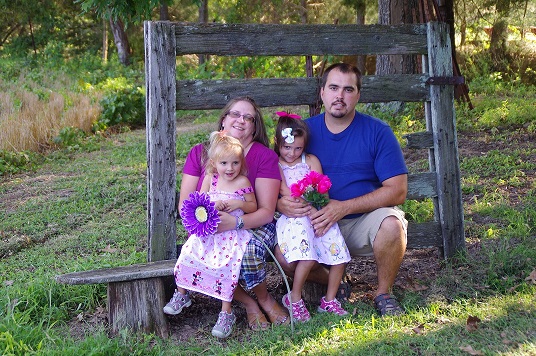
Melissa and her family

On 7/23/12, Hearing Elmo welcomed Melissa Sisco, from Alabama as a first-time guest author. You can access that post HERE. Hearing Elmo warmly welcomes Melissa again with a TWO PART post about her own invisible illnesses. Melissa is the mother of two young daughters and was first diagnosed with Meniere’s Disease in 2007. Melissa also has asthma/allergies, a heart condition, weak bones, endometriosis, and diabetes Type II. Melissa admitted that “Meniere’s Disease has been the single most challenging medical diagnosis I have experienced in my 32 years”.

The hardest things we encounter in life can sometimes be the ones you expect and assume will be easy. I am learning to realign and reign in my own expectations/assumptions. When you have struggled with a progressive illness for over six years, say one like Meniere’s Disease that causes hearing loss and loss of balance, you assume your family will support you the entire way. You assume that they will take the time to read the literature, the pamphlets from the doctors or at least even use Google or WebMD. You expect that they will get the hint as you slow down while walking, because your world has begun to buckle and spin. You assume that they will take it in stride when an episode of vertigo strikes and can only be remedied by lying down –for hours sometimes. You assume they will understand that an impromptu dunk in the water will harm your health in multiple ways because you have holes in your ear drums and have to wear ear plugs when you risk getting wet. You expect those closest to you to understand your new world, but the reality is that they don’t. Not at first. You actually have to teach them, or paint the picture if you will. They are not any more adept at struggling with accommodating my illness than I am. It really isn’t fair to expect them to know what was also foreign to me a decade ago. Experience can be the harshest yet greatest teacher.

Recently, a family member commented, “God, you really are deaf!”    Apparently he had been speaking to my deaf ear for several minutes without my noticing, “testing” my “deafness.” I simply turned to him, so we were face to face (even ground for me), and said, “Yes, so if you want my attention, try my right ear or tap my arm or shoulder please.”  All while smiling a really tight painful smile. Now what I really wanted to say was closer to a negative word, followed by an expletive, and ending with Sherlock. But I digress.

I admit I am still in the resentful stage, I resent that I should have to be the one to teach others about my own illness and its effects on my life. I never aspired to be a teacher; I haven’t the patience of those saintly souls. For reasons beyond me God has placed me squarely in a position where sometimes I have to teach, to save my own sanity. It’s just awfully annoying to teach family and friends who I expected to learn a little on their own in the last few years. My disease is nothing new anymore. I’ve learned a lot of my “new normal” on my own, (although I’ve been blessed to have great advice from those who’ve already invented this wheel –ahem Denise, Gayle, Shanna) but I do get downright angry when I have to teach someone something that should be obvious – at least in my opinion. I haven’t been wearing an absurdly expensive hearing aid in my left ear for 4 years just for kicks and grins. As more of my conversational frequency in my good ear wanes I have found that small talk is just no longer my cup of tea. I still avoid public situations in general. I have learned a distinct dislike of restaurants, malls, arenas and movie theaters. I am working on that, but I am a country girl at heart anyway. My country is just a bit quieter than it used to be, which is rather nice sometimes.

I have also found that there is finally a language I am really struggling to learn.  It’s called American Sign Language.  The only one I really need to know, and it makes Hebrew look like a piece of cake. (I would say Greek, but I can actually read that!) I’m quite certain that I appear as if I am under the influence of some sort of psychoactive drug when I’m trying to sign. The nuances of hand gestures completely elude me in a way that centuries-old grammatical rules never did. I can’t even profess to be able to understand it well, either. I get so focused on trying to comprehend one particular gesture/word I miss the next seven and am therefore totally lost. Like missing the pinnacle episode of your favorite TV show and trying to tune in to the next one and catch up – it just ain’t happennin’. I haven’t given up, but gosh is it hard. Bill is a great guy, but you can only make him repeat a phrase so many times before you start having weird animatronic/you-tube nightmares. (Thank the Lord, and Bill, for Lifeprint.)

I have recently also begun to despise the words disability and handicap with the exception of their necessary legal presence. I really just don’t see myself that way. I still do a number of things on my own; to include working, driving, doing basic household chores, etc. Although I despise it, I can grocery shop on my own, most of the time. I just can’t reach for anything on the top shelf, or on the bottom shelf, without relying on my cane or a sturdy wall or post. Sometimes it’s just easier asking for someone’s help. NOTE: Do not rely on shopping carts (that’s buggies for us southerners) for balancing because they have wheels. Really bad idea. Trust me.

I am able to be much more up front with people about my invisible “handicap.” I can flat out tell a stranger that I am deaf/hard of hearing, I need to see their face to understand them or I will ask them to type/write out something complex.  Most of the time this helps, and it is only occasionally that I encounter special people who begin to mimic Dr. Seuss using a bullhorn. Unfortunately, rhyming and loudness are lost on me. And it really annoys my co-workers or whoever else happens to be with me at the time. Sometimes I wish my hearing aid had a neon flashing light that proclaims “Deaf lady coming, repeat, deaf lady coming,” simply so I can save my breath. Sometimes I am saved by the Grace of God in the form of my own eldest daughter. She missed out on my shyness gene and takes the world by storm. She is quite eloquent when I see her shout at the top of her little six year old lungs, “My Mommy is deaf! Don’t you get it?”  All while sighing, knitting those eyebrows, putting her hand on her hip, and glaring at the perceived offender.  (Yes we are working on the politeness and manners thing- but it is easier said than done.)

A lady, let’s call her an acquaintance, I run into sometimes at work, asked me, “What is your cane for? I notice that some days you have it and some days you don’t.”  Another unexpected and unwanted teaching explanation. I replied to her that I have a balance disorder, some days I need it, and some days I don’t. Though you may not always see the cane it is usually nearby, just in case my power steering fails again without warning. She smiled at me with that look of “Bless your heart,” which forces me to fight the urge to strike her with said cane. I despise pity. I don’t want pity. I just want –a little bit— of understanding.

And I have to understand that not everyone else can see my illness, even if a person has known me for thirty plus years. One of my mandatory responsibilities now is to help others understand me as I learn myself. I have to constantly remind myself that, though my illness is invisible, dealing with it is truly a two way street. No one ever said it would be easy.

PART TWO: “It’s Not That Easy” will run Friday, July 19, 2013.

Thank you to Melissa Sisco!

Denise Portis

© 2013 Personal Hearing Loss Journal

I Don’t Like Music

cd player

“Music was my refuge. I could crawl into the space between the notes and curl my back to loneliness.”
― Maya Angelou

If you follow Hearing Elmo you know that I want the emphasis here to be on invisible disabilities or chronic illnesses. Yes, my own challenges include hearing loss and Meniere’s disease but I always try to draw parallels to what unites us as a community of differently abled people!

I normally do not let this much time go between posts. I like to have guest bloggers (interested? email me at denise.portis@gmail.com), and I prefer that new posts are uploaded every Monday. I was dismayed to see that so much time has passed since my last post. It isn’t because I haven’t had the urge or the time. I’ve actually been trying to figure out HOW I wanted to say something without really getting caustic.

Do you have some pet peeves? Come on…’fess up! We all do, don’t we? Because we are individuals, we all have preferences, dislikes, and pet peeves. We have special things that MOVE us. There are things that energize our spirits. Yet, there are things that depress us. And folks? There are things that TICK US OFF. Consider me ticked off.

Not a Great Example?

While prepping for this post, I was relieved when I realized the person I bawled out is not a reader of Hearing Elmo. Small chance they will discover I’m relaying what happened on here – but rest assured they were fully aware of my opinion when the conversation was finished!

“I can’t believe you don’t listen to music. As a cochlear implant advocate, that is not a very good example! ‘It is too much work, is a cop out’ ”

I was stunned.

Cochlear implant companies have been working hard to make sure that those who “hear again” can also enjoy music in addition to hearing voices, being able to use the phone, and most recently to be able to enjoy water sports without having to “remove your ears”.

But I don’t listen to music. I concentrate better in the car when I do not have the radio on to interfere with my attention. On really long commutes, I do listen to talk radio. However, I don’t listen to music. Not even 80’s music which include songs I listened to while in high school! Oh sure, I have all the gadgets, wires, and assistive technology to allow me to listen to music. I just don’t like the way it sounds. Just as I worked hard at hearing voices I couldn’t see (phones), and hearing voices amongst a ton of background noise, I could devote time to listening to music – but I don’t.

Ummm… How is this Relevant?

You are probably wondering where I’m going with this. You’re shaking your head “yes” at your computer screen, aren’t you?

We have to respect the individuality of other people.

I have chosen to make the invisible things about me – visible. It was my choice. I did these things to celebrate who I am and to unashamedly live MY life.

I use a metallic purple cane on my really bad balance days. I chose to mitigate my disabilities with a service dog. I chose a cochlear implant instead of “embracing my deafness”. After a great deal of research, I chose the Nucleus Freedom instead of another brand. I wear bling-bling and would wear blinking lights on my coil if I could figure out how to make a go of that. I am only unilateral and have chosen not to go bilateral. I chose to work hard at communicating effectively. Music was just not important to me.

Is music important to you? As a person with hearing loss did you work hard at being able to once again enjoy music? Are you a musician? Does music fuel your soul? I’m am so happy for you – really I am!

But we are not cookie-cutter versions of each other. What was necessary, important, and “worth it” to you may not be the same things another would choose to work towards.

There ARE a few types of music I listen to one of which is Christmas music during the holidays. However, can I get a shout out for DISNEY TUNES? For some reason, I have really connected to a number of songs from Walt Disney movies. These animated movies were the first I viewed with closed captions as I developed hearing loss when my kids were small. Once I was implanted with a cochlear implant in 2005, one of the first types of music I DID make sure I listened to were some of these Disney songs. One of my favorite was detailed here AND just so happens to go along with this post.

United we Stand, Divided we fall

So as people who have invisible disabilities or chronic illnesses, we should strive to be respectful of individual choices. It is hard enough to work and live among folks who don’t always get it. Surely in our own community of courageous people we can respect individual choice?

Don’t agree with everything someone says or does despite your sharing a diagnosis? Cut ’em some slack.

What are some things that have left you feeling peeved when judged by your peers?

Denise Portis

© 2013 Personal Hearing Loss Journal